
Introduction
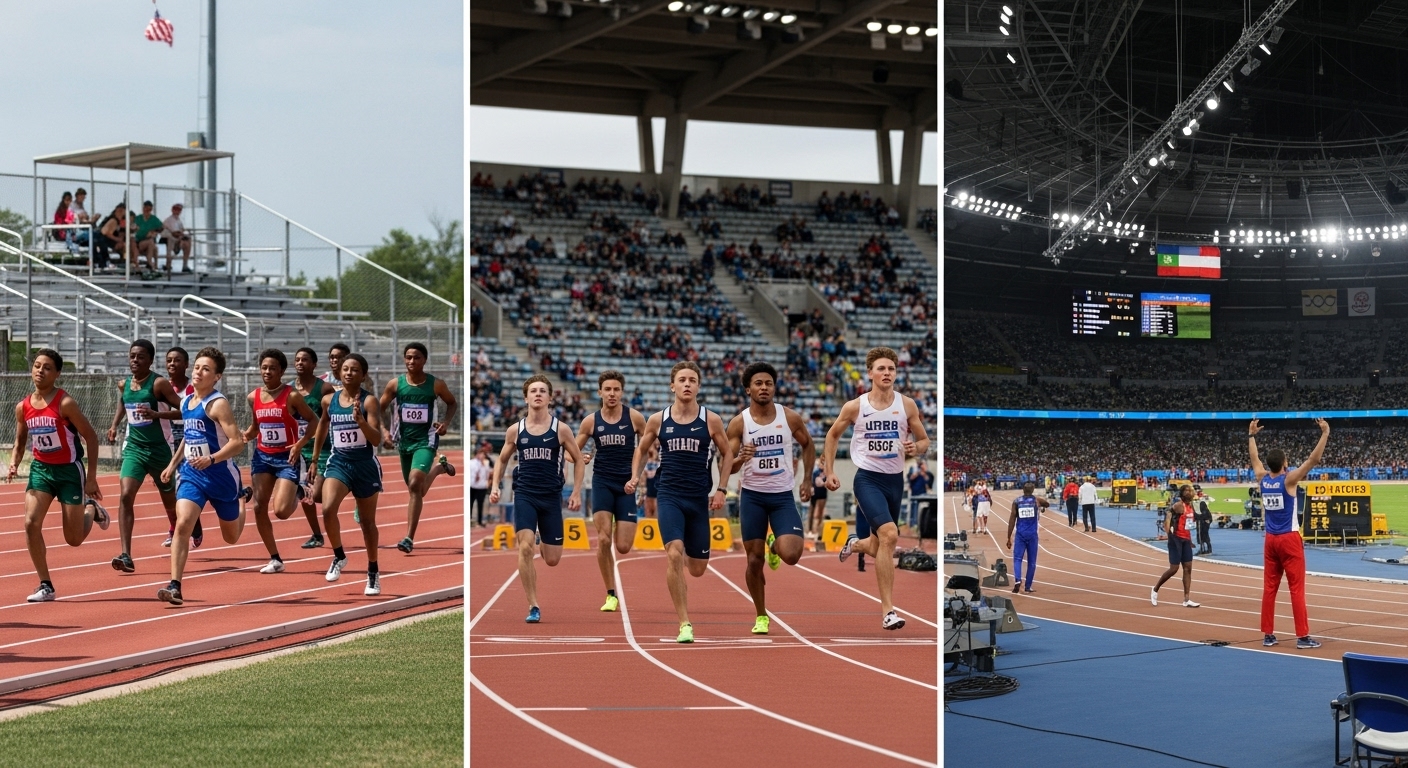
Athletics, often referred to as track and field, is the foundation of modern sports. From sprints to marathons, jumps to throws, athletics combines raw talent, strategy, and scientific training. This blog explores athletics’ history, disciplines, training methods, legendary athletes, technological impact, and societal significance.
History of Athletics
- Ancient Olympics: Rooted in Greek competitions, emphasizing speed, strength, and endurance.
- Modern Olympics: Reintroduced in 1896, establishing structured events and global participation.
- Professional Leagues: Diamond League and World Championships for elite athletes.
Core Disciplines
- Track Events: Sprints, middle-distance, long-distance, hurdles, and relays.
- Field Events: Long jump, high jump, pole vault, shot put, discus, hammer throw, javelin.
- Combined Events: Decathlon (men), Heptathlon (women).
- Road Races: Marathons, half-marathons, and ultramarathons.
Legendary Athletes
- Usain Bolt: Sprinting icon, world record holder.
- Carl Lewis: Dominant in sprints and long jump.
- Eliud Kipchoge: Marathon legend, breaking the 2-hour barrier in unofficial settings.
- Jackie Joyner-Kersee: Exceptional heptathlete and role model.
- Caster Semenya: Challenged norms and inspired debate on gender and performance.
Training Methodologies
- Periodization: Structured cycles for peak performance.
- Strength & Conditioning: Core, explosive power, endurance, and agility.
- Technique Optimization: Video analysis for form correction.
- Mental Preparation: Visualization, focus, and resilience training.
Technology in Athletics
- Biomechanics & Motion Capture: Analyze running, jumping, and throwing efficiency.
- Wearables: Heart rate, speed, stride length, and recovery tracking.
- Track Innovations: Synthetic surfaces for speed and injury reduction.
- Video Review Systems: Ensure fair play and accurate officiating.
Challenges in Athletics
- Doping & Fair Play: Maintaining integrity in competition.
- Athlete Longevity: Balancing peak performance with career length.
- Accessibility: Equal opportunities in developing nations.
- Mental Pressure: Handling high expectations and media scrutiny.
Societal Impact
- Inspiration & Role Models: Encouraging youth participation.
- Health & Fitness Promotion: Encouraging active lifestyles.
- Cultural Exchange: International competitions promote unity and diversity.
- Economic Opportunities: Sponsorships, events, and sports tourism.
Future of Athletics
- AI Coaching: Personalized performance optimization.
- VR Training: Simulating competition environments.
- Sustainable Practices: Eco-friendly stadiums and tracks.
- Global Growth: Expanding athletics programs to developing countries.
Conclusion
Athletics is the cornerstone of competitive sports. Its rich history, scientific training, and technological innovations ensure it remains a globally respected and inspiring discipline.