
Introduction
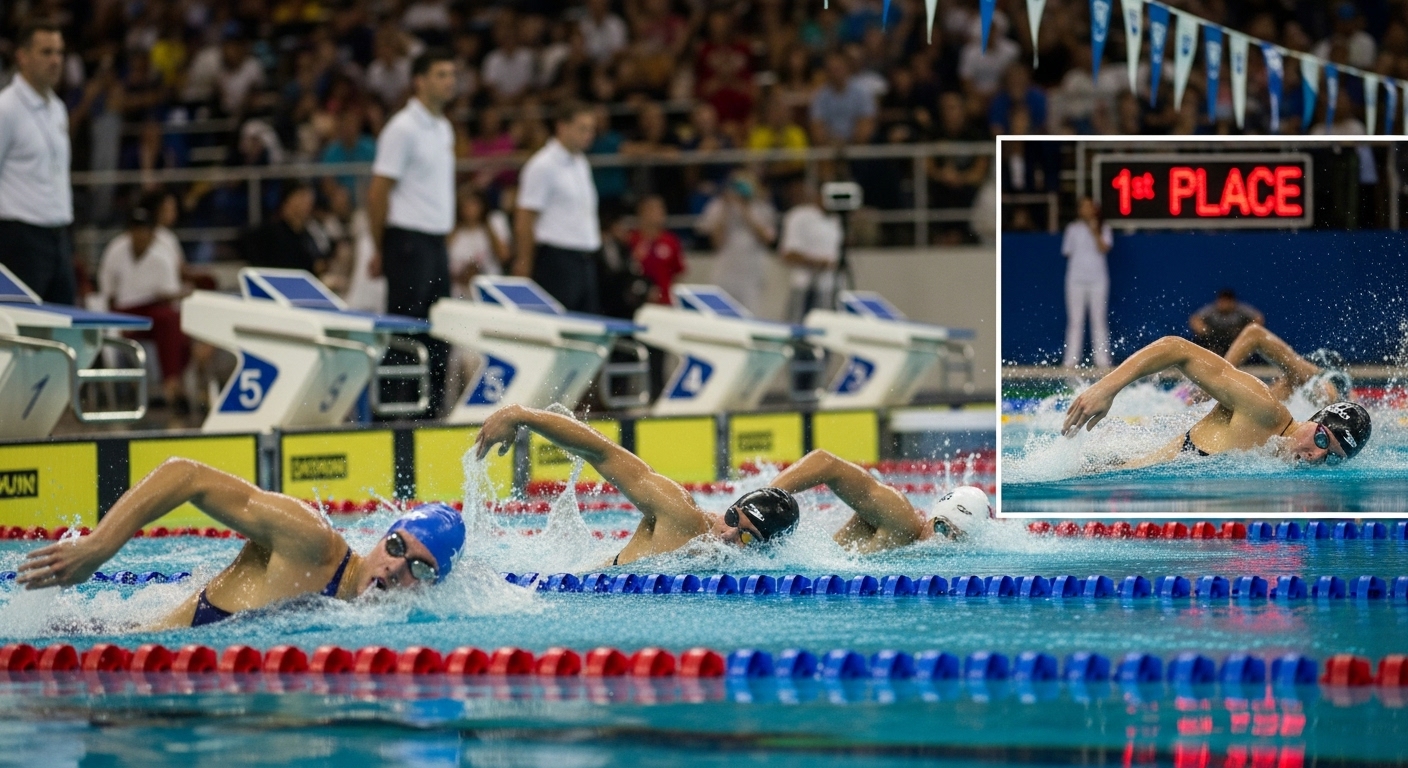
Swimming is a sport of skill, endurance, and mental resilience. From recreational pools to Olympic podiums, swimming challenges athletes physically and psychologically. This blog explores swimming’s history, techniques, competitive training, legendary athletes, and the impact of science and technology on performance.
History of Swimming
- Ancient Civilizations: Evidence of swimming in Egyptian, Greek, and Roman societies.
- Modern Competitive Swimming: Organized in the 19th century; first Olympic swimming events in 1896.
- Evolution of Strokes: Freestyle, breaststroke, backstroke, and butterfly developed over decades.
Swimming Techniques
- Freestyle: Speed and efficiency in long-distance swimming.
- Backstroke: Emphasis on coordination and breathing control.
- Breaststroke: Requires timing, power, and precision.
- Butterfly: Technically demanding stroke requiring upper body strength.
- Turns and Starts: Critical for competitive advantage in races.
Competitive Swimming Events
- Olympics: Showcases world-class talent every four years.
- World Championships: FINA events highlight global competition.
- Open Water Swimming: Long-distance endurance races in natural waters.
- National Championships: Key for talent scouting and development.
Legendary Swimmers
- Michael Phelps: Record-breaking Olympic gold medalist.
- Katie Ledecky: Long-distance dominance in freestyle events.
- Ian Thorpe: Australian sprint and middle-distance legend.
- Caeleb Dressel: Modern sprinting powerhouse.
- Dara Torres: Longevity and inspiration in women’s swimming.
Training and Preparation
- Physical Conditioning: Strength training, flexibility, and cardiovascular fitness.
- Technique Optimization: Video analysis, stroke efficiency, and hydrodynamics.
- Mental Conditioning: Focus, visualization, and race strategy.
- Nutrition & Recovery: Tailored diet, hydration, and physiotherapy.
Technology in Swimming
- Swimwear Innovations: High-tech fabrics, reduced drag suits.
- Pool Technology: Wave reduction systems, starting blocks, and timing systems.
- Performance Analytics: Wearables for stroke rate, distance, and speed tracking.
- Video Analysis Software: Coaches evaluate technique and improve efficiency.
Challenges in Swimming
- Training Intensity: Balancing endurance, technique, and recovery.
- Injury Prevention: Shoulder, back, and joint injuries.
- Gender Equality: Equal opportunities, recognition, and sponsorships.
- Global Access: Developing regions lack adequate pools and facilities.
Future of Competitive Swimming
- AI-Assisted Training: Optimized stroke efficiency and race planning.
- Virtual Reality: Simulated competition environments for mental preparation.
- Sustainability: Eco-friendly pools and facilities.
- Esports Swimming: Simulation games increasing global interest.
Conclusion
Swimming is more than a physical activity; it is a blend of skill, endurance, and strategy. Advances in technology, training methodologies, and global exposure ensure that swimming continues to inspire athletes and fans worldwide.