
Introduction: Sports as a Way of Life
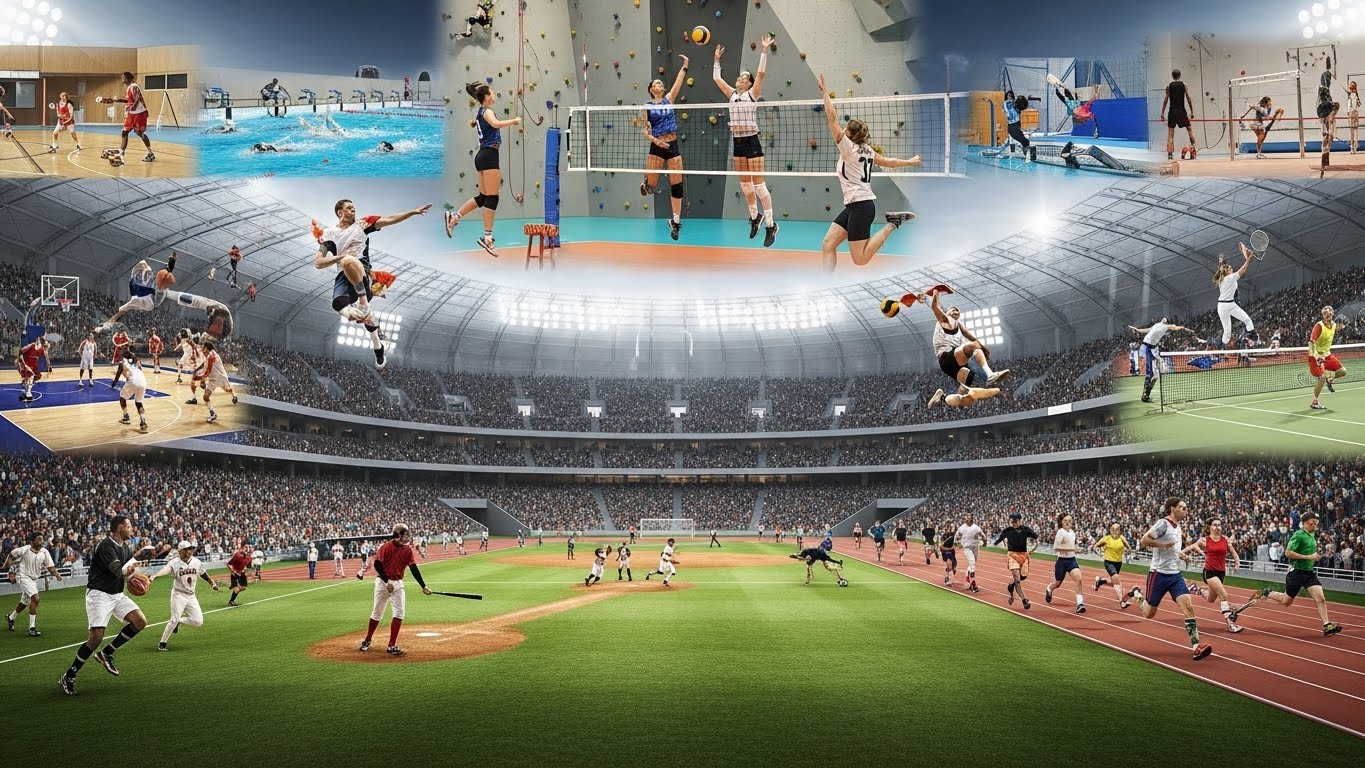
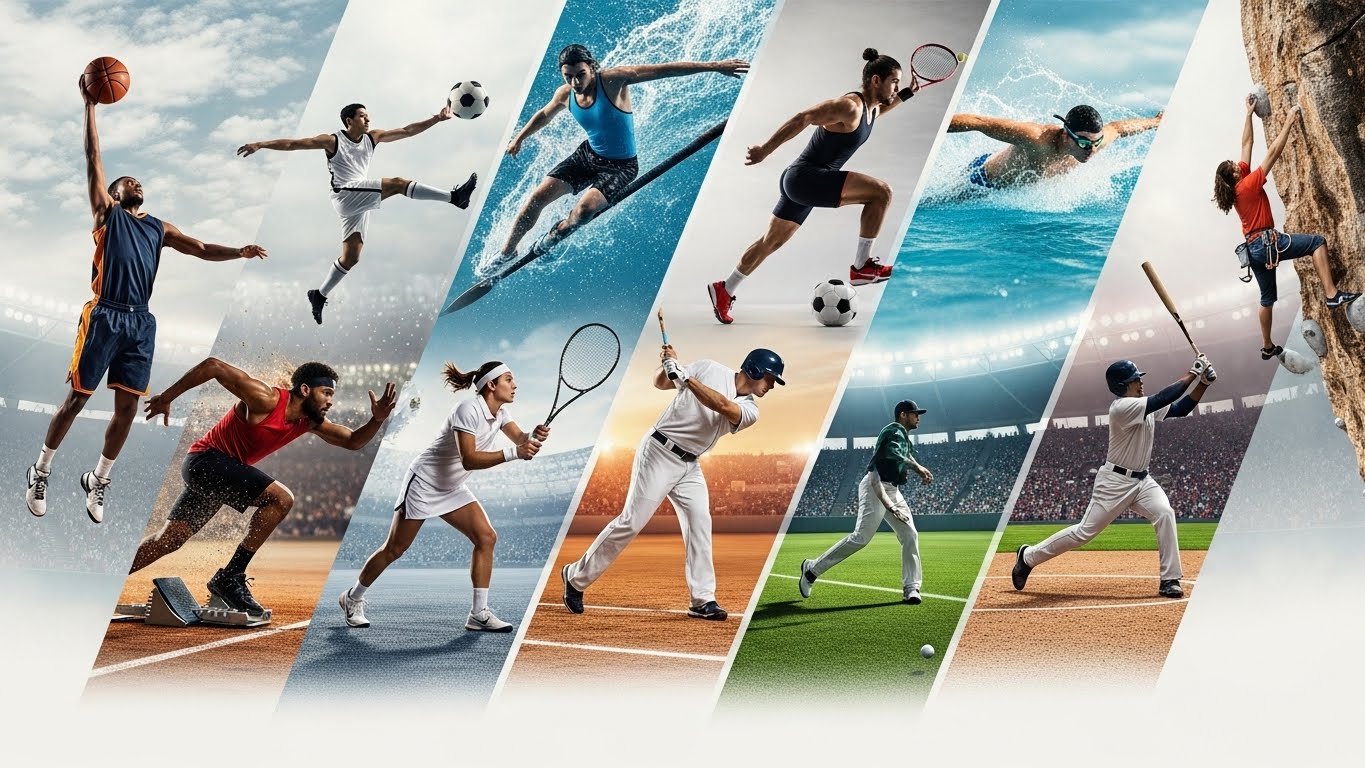
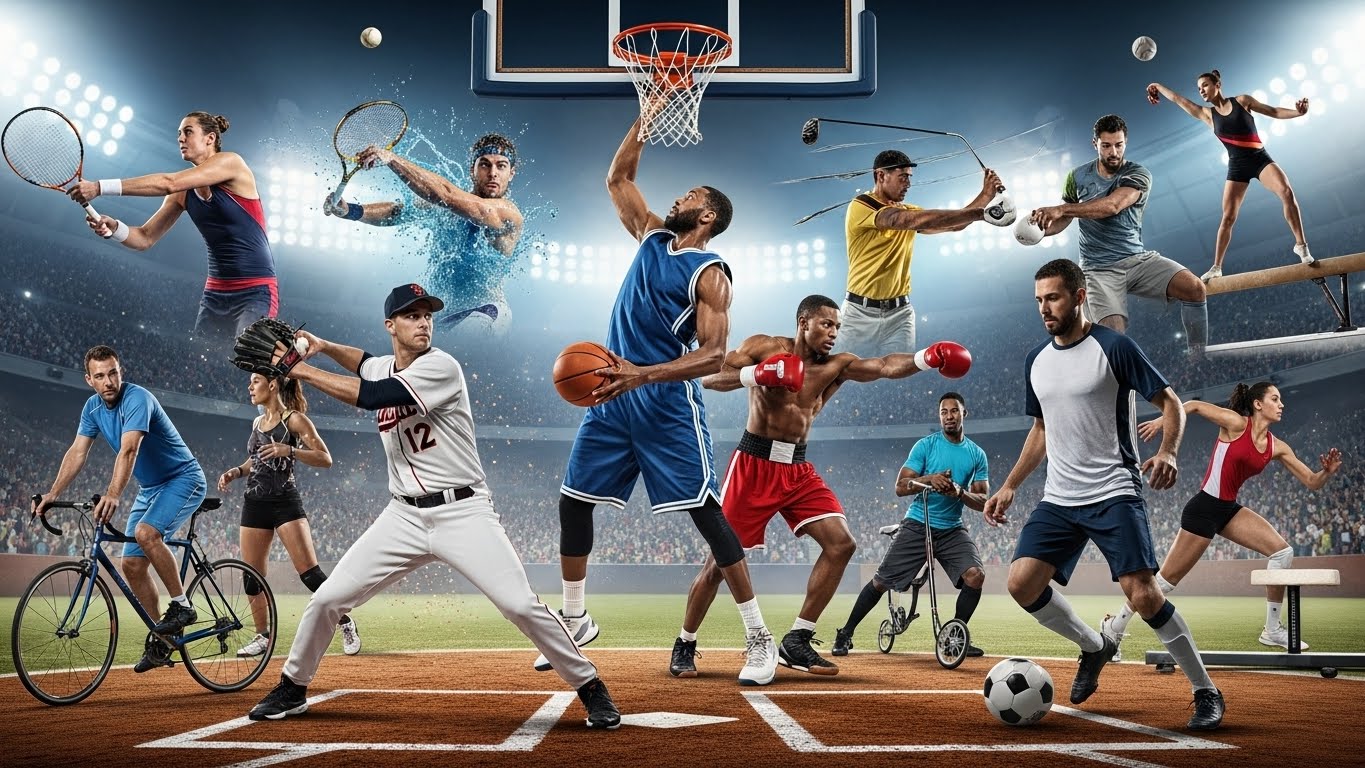
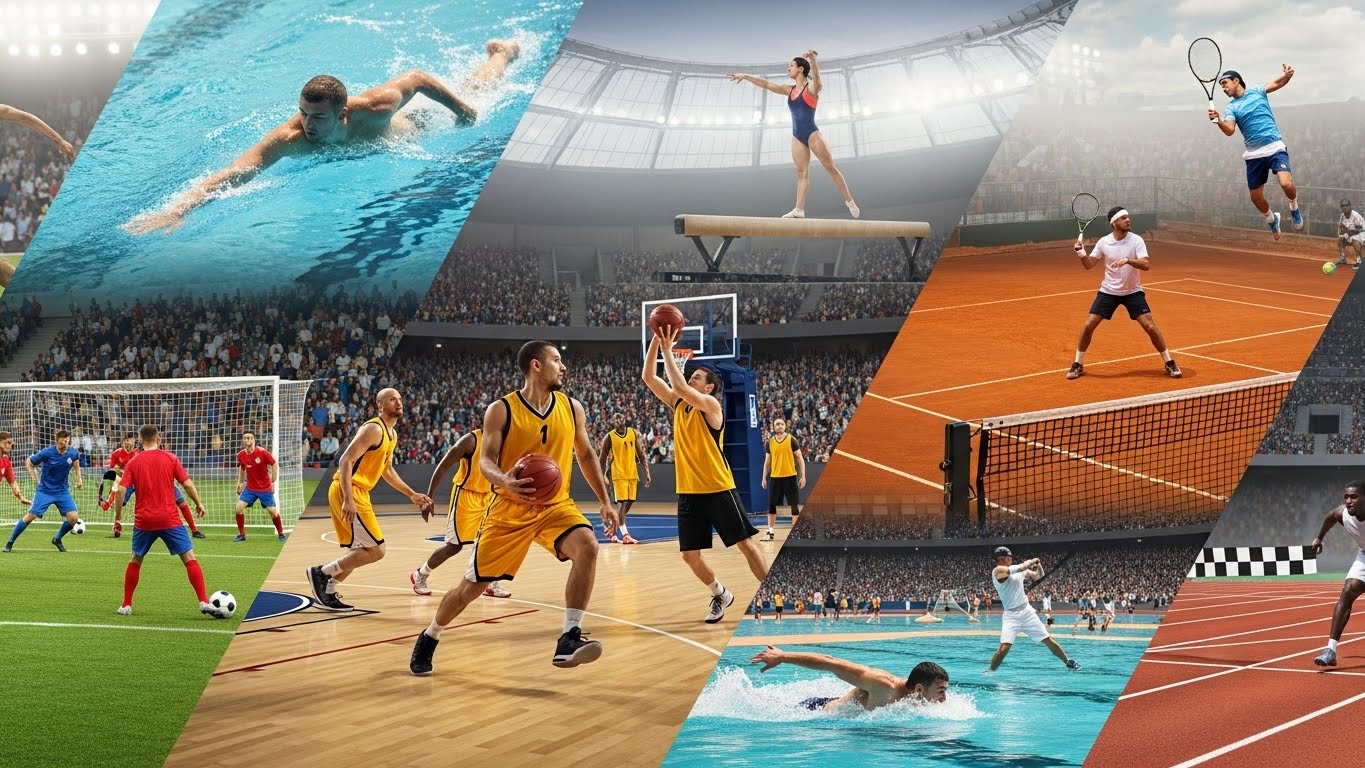
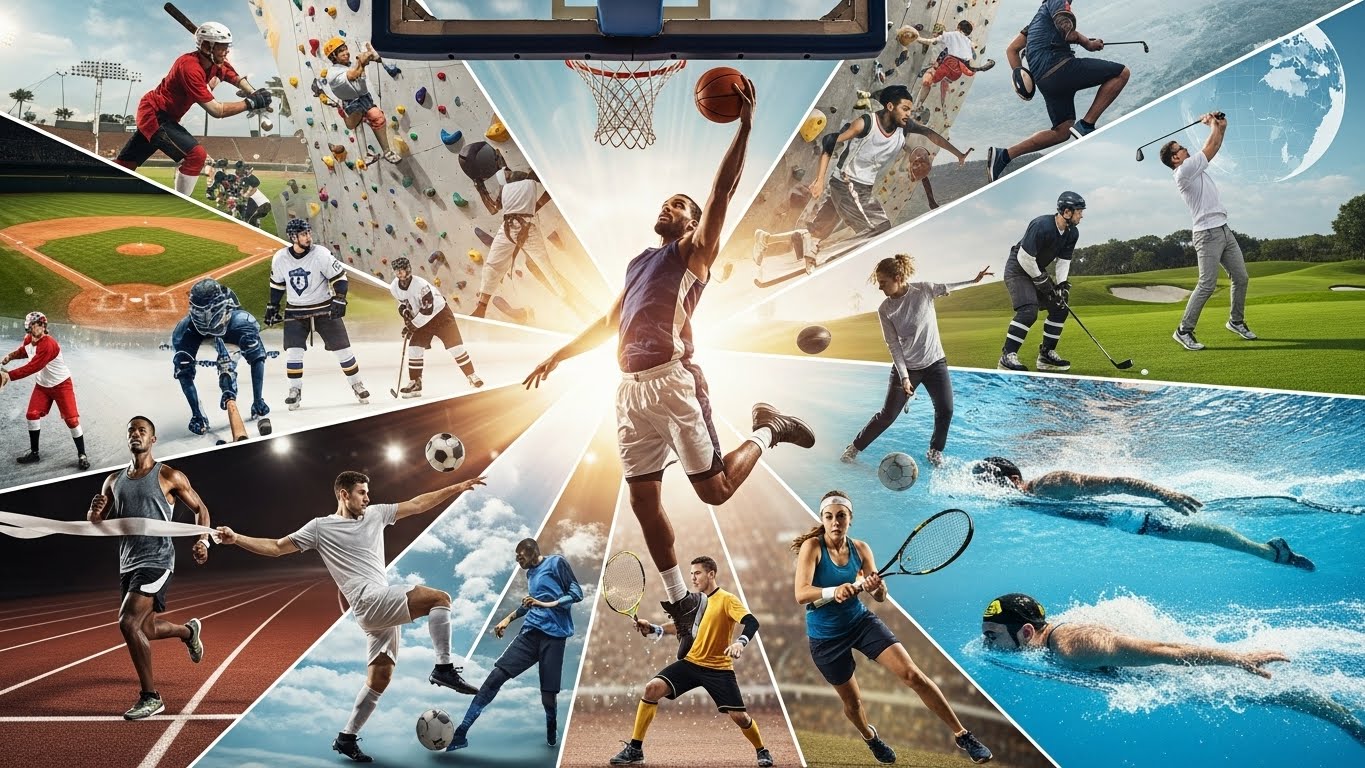
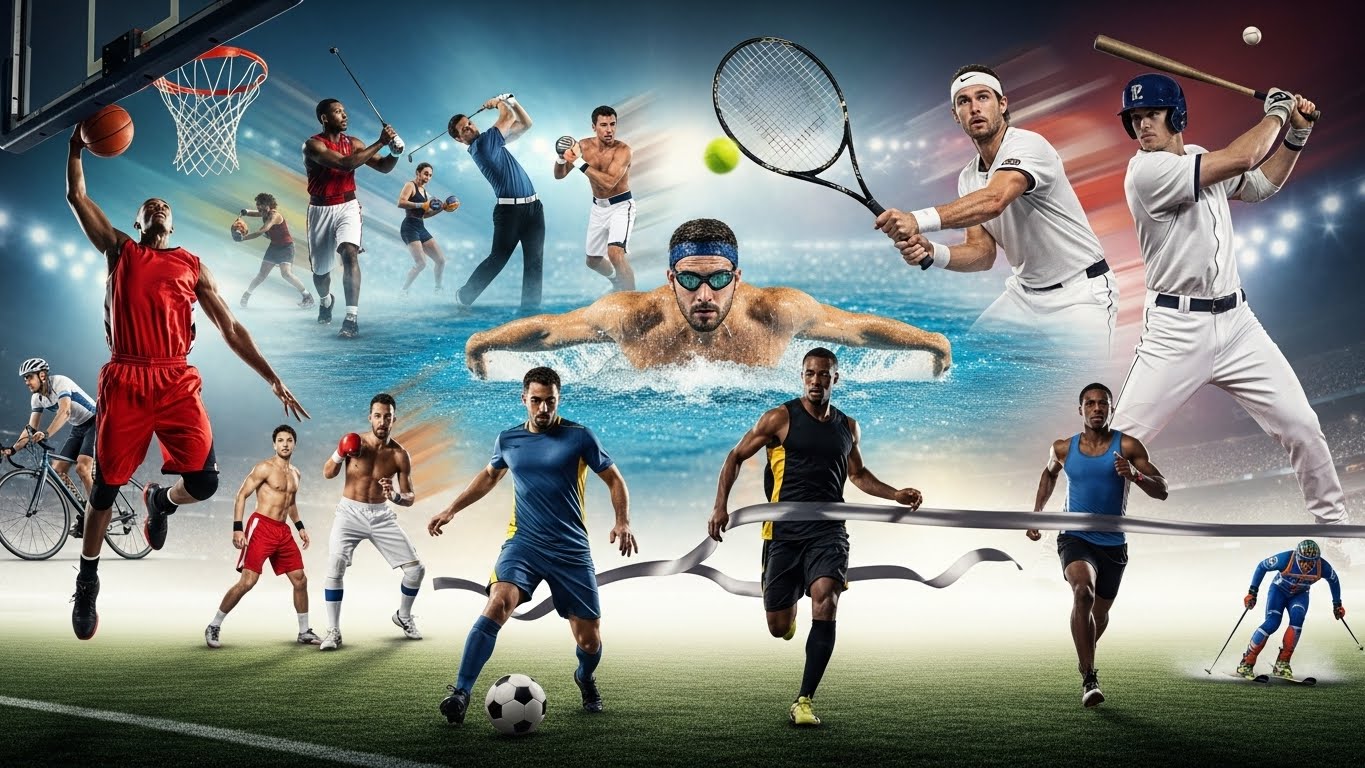
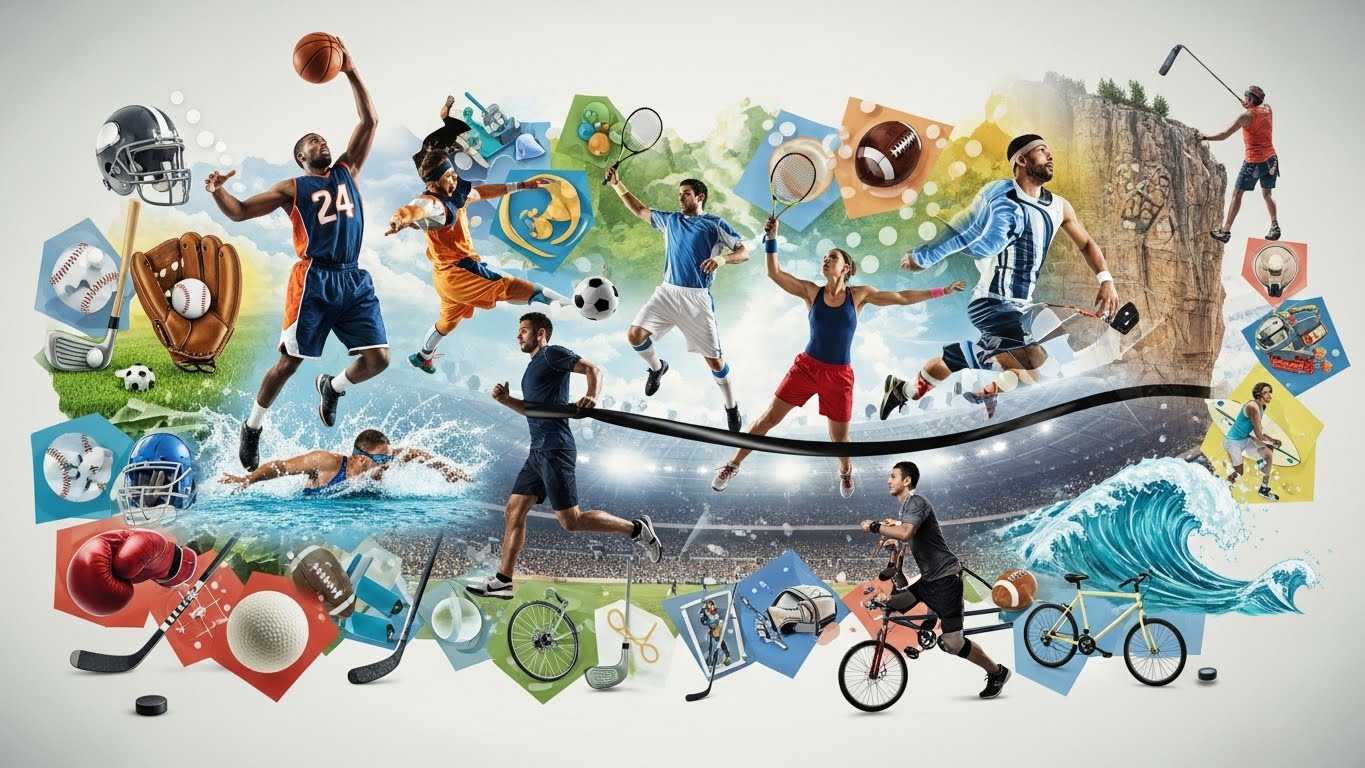
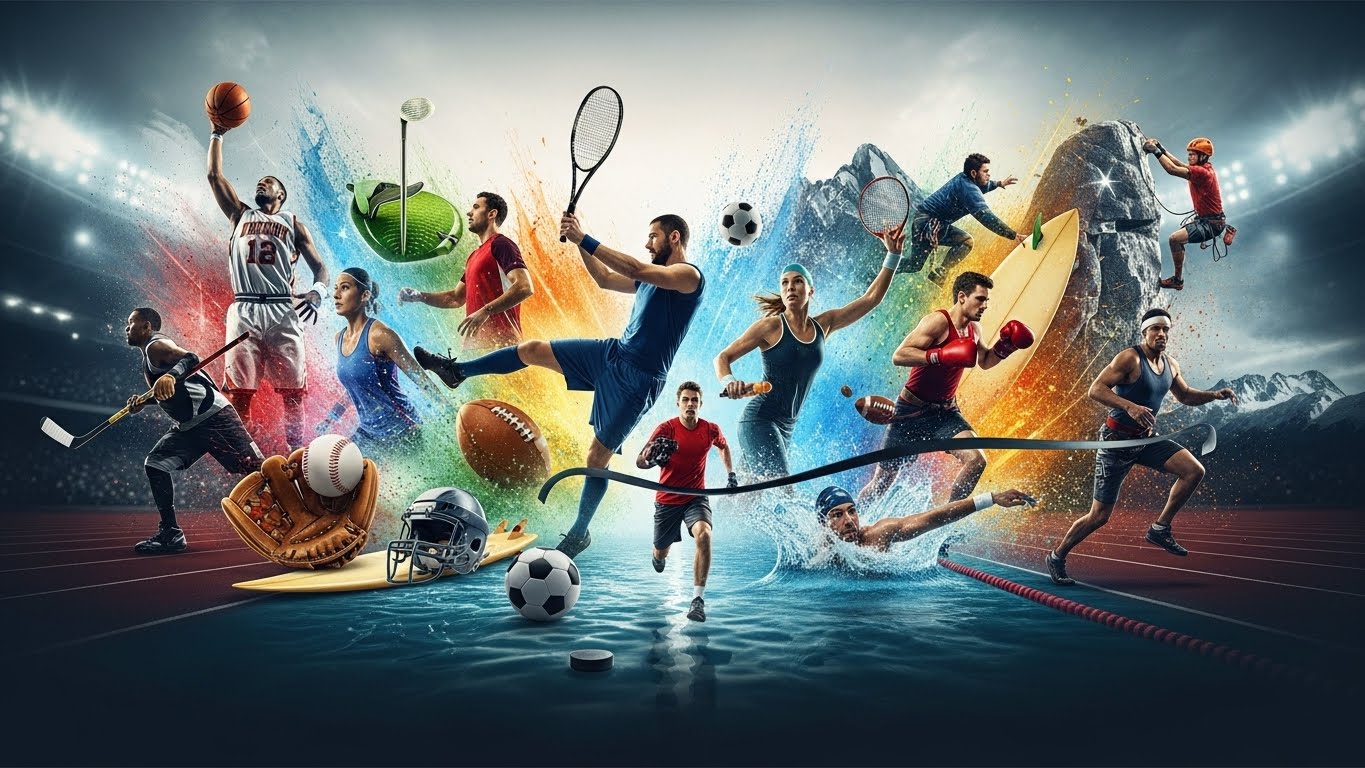
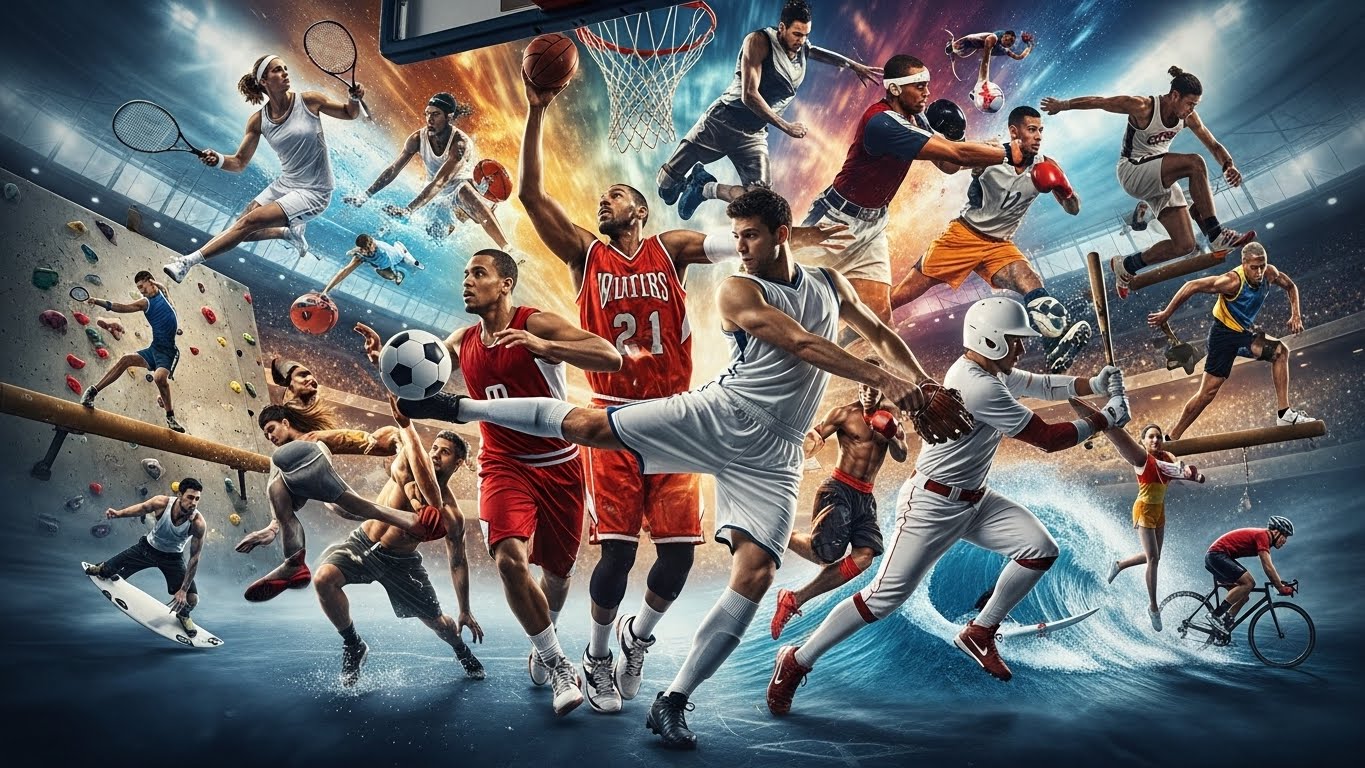
Sports have always been more than just a form of entertainment or competition. Across cultures and generations, they play a vital role in shaping physical health, mental well-being, and social connections. From the early Olympic Games in ancient Greece to modern-day international tournaments, sports have consistently reflected human ambition, discipline, and the pursuit of excellence. The beauty of sports lies in their universality—they transcend age, gender, culture, and economic status. Whether played professionally or casually, sports influence our lives in profound ways.
Physical Benefits of Sports
The most apparent impact of sports is on physical health. Regular participation in sports helps build cardiovascular endurance, strength, flexibility, and coordination. Activities like swimming, running, cycling, and team sports contribute to weight management and reduce the risk of chronic diseases such as diabetes, hypertension, and heart conditions. Engaging in sports from an early age instills habits that encourage long-term health. Moreover, sports often provide structured routines, which contribute to better sleep patterns and overall physical vitality.
Mental Health and Cognitive Benefits
While the physical benefits are widely recognized, the mental and cognitive advantages of sports are equally significant. Sports reduce stress by promoting the release of endorphins, the brain’s natural mood elevators. Team sports, in particular, foster a sense of belonging and camaraderie, reducing feelings of isolation. Moreover, participation in competitive sports enhances focus, strategic thinking, and problem-solving skills. Athletes develop resilience, patience, and the ability to cope with pressure, which are valuable traits both on and off the field. Sports can even improve cognitive functions such as memory and decision-making, especially in younger participants.
Teamwork and Social Skills
Sports are a powerful platform for developing interpersonal and social skills. Team sports like football, basketball, and volleyball teach cooperation, communication, and conflict resolution. Players learn to work toward a common goal, respect others’ abilities, and value diverse perspectives. Even individual sports, such as tennis or swimming, require interacting with coaches, peers, and opponents, which nurtures respect, sportsmanship, and empathy. These skills extend beyond the sports arena, influencing personal relationships, academic pursuits, and professional success.
Discipline and Time Management
Participation in sports demands dedication, consistency, and self-discipline. Athletes must maintain regular practice schedules, follow strict training routines, and adhere to nutritional guidelines. This discipline often translates into other areas of life, encouraging better time management, goal-setting, and prioritization. Young athletes, for instance, learn to balance academics and sports commitments, developing a work ethic that benefits them throughout their lives. The ability to persevere through challenges, setbacks, and injuries is another valuable lesson taught by sports.
Sports and Cultural Integration
Sports have the unique ability to unite people across cultural and national boundaries. International events such as the Olympics, World Cup, and Commonwealth Games showcase diversity while fostering global camaraderie. Sports also preserve cultural heritage; traditional games and indigenous sports often reflect the history, values, and lifestyle of communities. By participating in or even watching these games, individuals gain appreciation for different cultures, promoting understanding and global harmony.
Economic Impact of Sports
Sports have a significant influence on the economy, providing employment, generating revenue, and stimulating tourism. Professional leagues, sports academies, merchandise, and media broadcasting contribute to substantial economic activity. Local and international sporting events attract sponsorships, tourism, and infrastructure development, creating jobs and boosting the local economy. For athletes, sports provide career opportunities and financial independence, while sports enthusiasts benefit indirectly through various sectors of the economy.
Technological Advancements in Sports
Modern sports have evolved alongside technological innovations. Wearable devices track performance, monitor heart rate, and analyze movement, helping athletes optimize their training. Video technology aids referees in making accurate decisions, ensuring fairness and transparency. Sports science continues to advance, providing insights into injury prevention, recovery methods, and nutritional strategies. Even fans experience enhanced engagement through virtual reality, live streaming, and interactive platforms. Technology has revolutionized sports, making it safer, more competitive, and more accessible worldwide.
Inspiration and Role Models
Athletes often serve as sources of inspiration, transcending their sports achievements. Stories of perseverance, overcoming adversity, and achieving excellence motivate people to pursue their dreams, regardless of the field. Icons in sports are admired not only for their skill but also for their character, discipline, and leadership. By observing their journeys, individuals learn the value of hard work, dedication, and resilience, which can positively influence personal development and career choices.
Sports and Education
The integration of sports into education has immense benefits. Physical education programs in schools cultivate healthy habits, teamwork, and leadership skills from a young age. Participation in school and college-level sports enhances self-confidence, social interaction, and academic performance. Moreover, sports scholarships provide opportunities for higher education, enabling talented individuals to pursue both academic and athletic aspirations. Educational institutions that emphasize sports often produce well-rounded individuals capable of excelling in multiple spheres of life.
Inclusivity and Accessibility in Sports
In recent years, there has been a growing emphasis on making sports inclusive and accessible to everyone. Programs designed for differently-abled individuals, women, and marginalized communities are breaking barriers and providing opportunities for participation. Adaptive sports allow people with disabilities to compete at various levels, fostering empowerment and self-confidence. Gender equality in sports has also gained momentum, with increasing recognition and support for female athletes across the globe. Inclusivity ensures that the transformative power of sports reaches every individual, regardless of their physical, social, or economic background.
Sports as a Source of Entertainment and Community Engagement
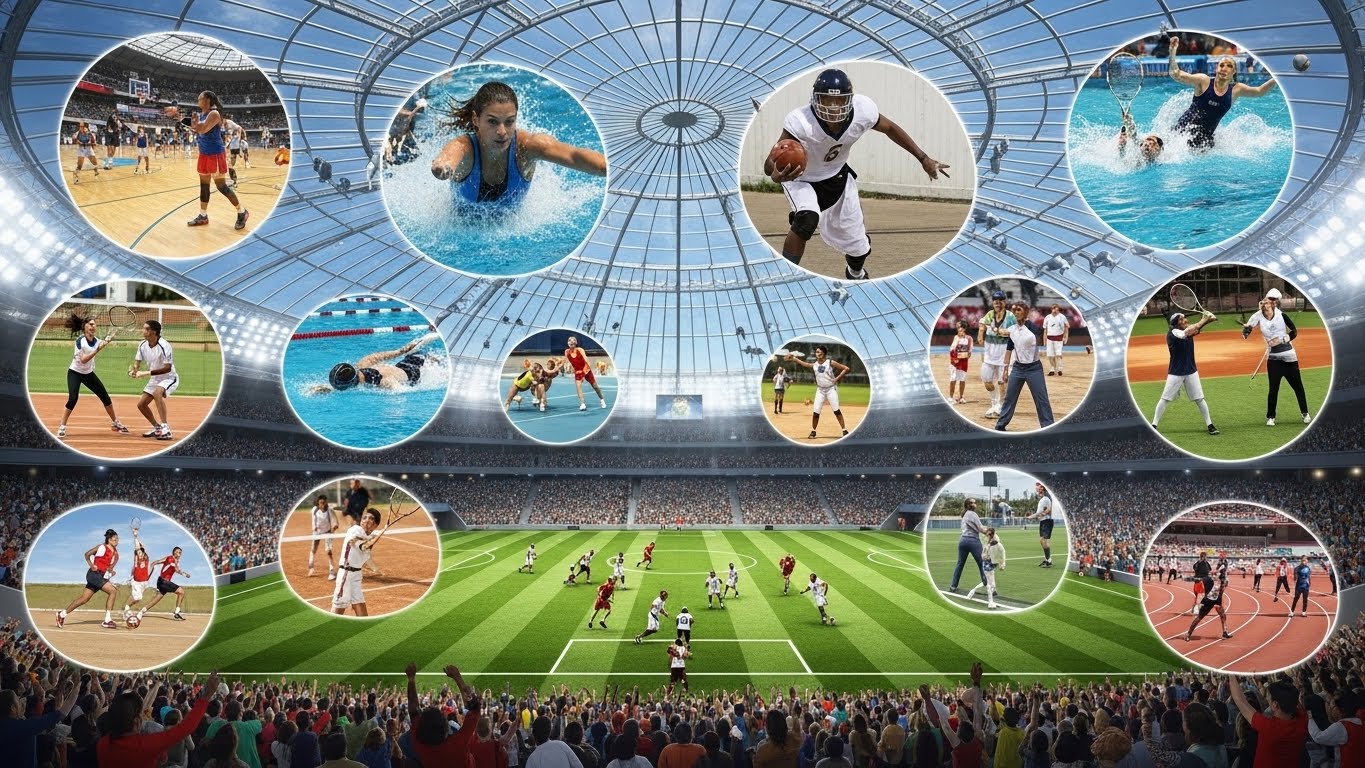
Sports also serve as a major source of entertainment and community bonding. Stadiums, local leagues, and neighborhood tournaments bring people together, creating shared experiences and lasting memories. Spectators engage emotionally with teams and athletes, often feeling a sense of pride and belonging. Beyond professional sports, recreational activities such as running clubs, hiking groups, and amateur leagues contribute to community health and social cohesion. The communal aspect of sports strengthens relationships and fosters a sense of collective identity.
The Psychological Impact of Winning and Losing
Sports teach one of the most important life lessons—the ability to handle success and failure. Winning brings a sense of achievement, pride, and motivation, while losing offers an opportunity for reflection, growth, and resilience. Learning to celebrate achievements without arrogance and to accept setbacks without discouragement is a critical psychological skill. Athletes, coaches, and fans alike develop emotional intelligence through these experiences, which enhances personal growth and prepares individuals for challenges in broader life contexts.
Environmental Considerations in Sports
As the world focuses on sustainability, sports are also adapting to environmentally responsible practices. Eco-friendly stadiums, reduced carbon footprints in major events, and promotion of outdoor sports in natural settings highlight the connection between sports and environmental stewardship. Encouraging outdoor physical activities not only benefits health but also fosters appreciation for nature and environmental conservation. Sports organizations are increasingly recognizing the importance of sustainability, demonstrating that sports can lead by example in global environmental efforts.
Conclusion: Sports as a Lifelong Companion
In conclusion, sports are far more than competitive activities or recreational pastimes. They are a source of physical health, mental well-being, social cohesion, cultural exchange, and personal development. Sports teach discipline, resilience, teamwork, and leadership, while inspiring individuals and communities alike. The influence of sports extends to education, economy, technology, and environmental awareness, highlighting their multifaceted role in society. Engaging in sports, whether as a player, coach, or spectator, enriches lives and strengthens communities. The transformative power of sports lies in its universality, offering lessons and benefits that last a lifetime. Embracing sports as a way of life can lead to healthier bodies, sharper minds, stronger relationships, and a more connected world.