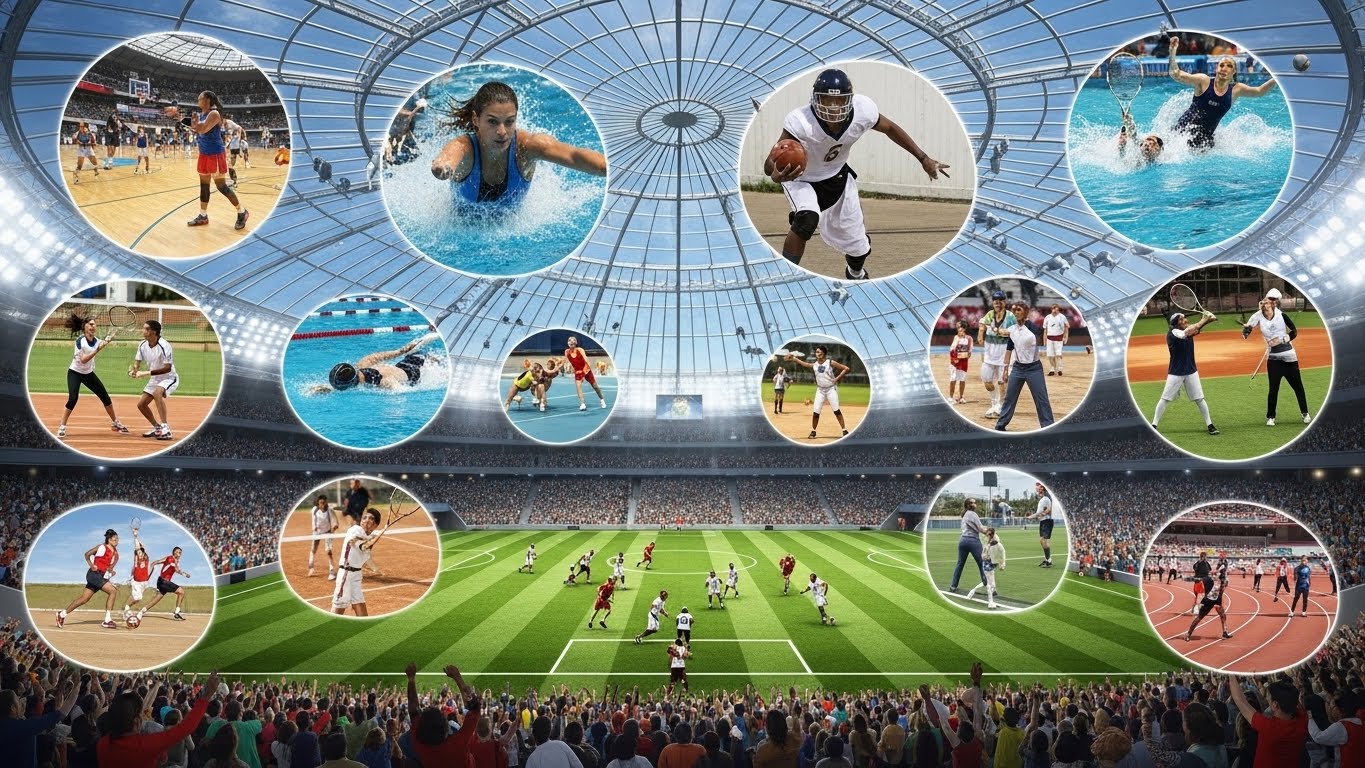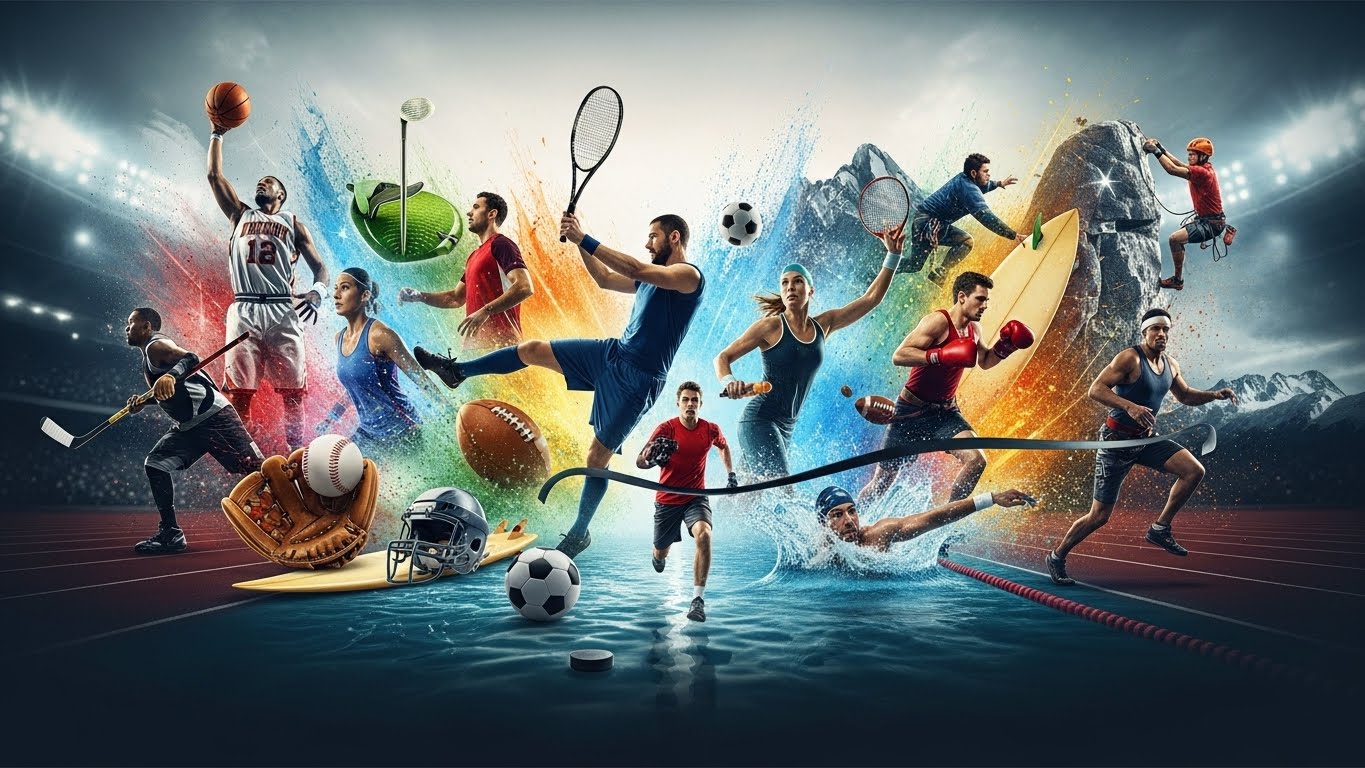

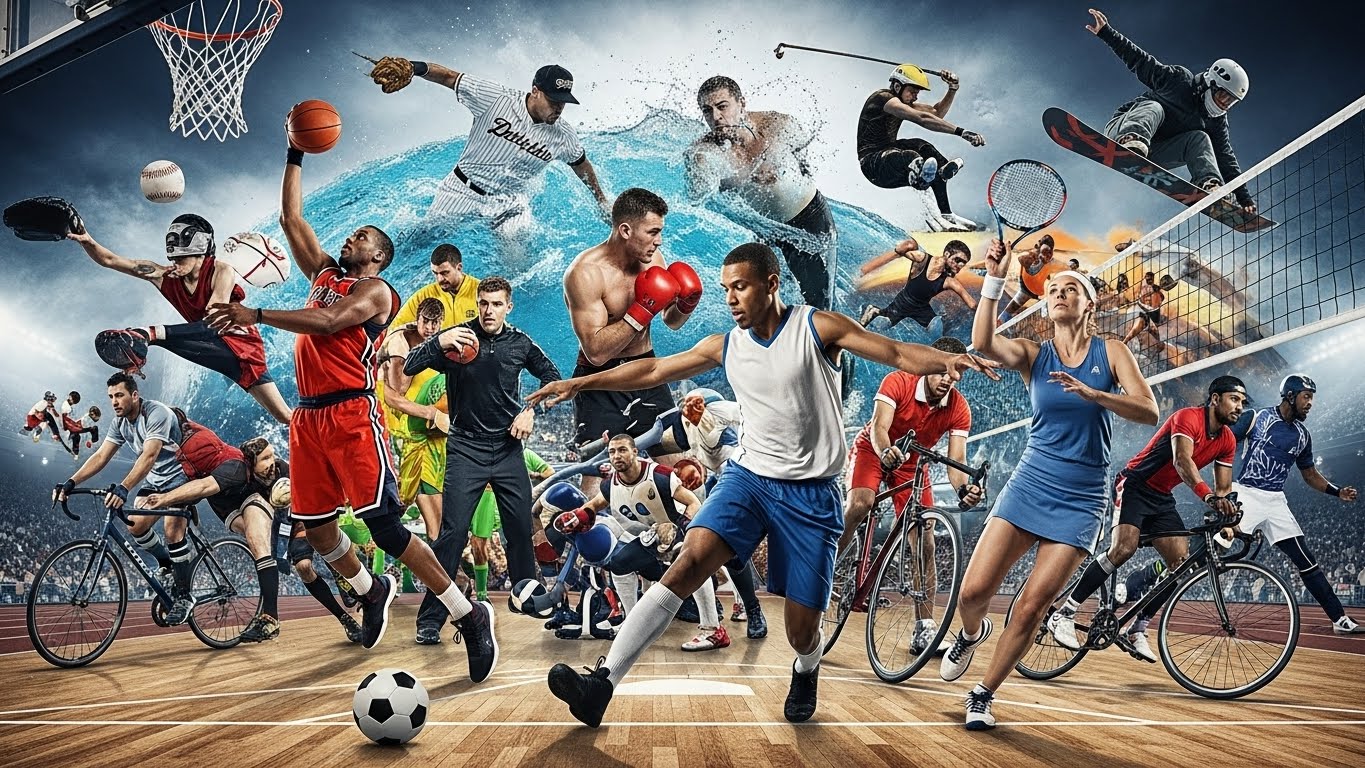
Sports are an integral part of human life. They go beyond mere competition, touching every aspect of society—from culture and education to health and entertainment. For centuries, sports have inspired people to push their limits, build communities, and create unforgettable moments of excitement. In this blog, we will explore the history of sports, popular types, the benefits of participation, the role of technology, and the impact sports have on society.
The History and Evolution of Sports
Sports have existed in some form since the beginning of human civilization. Ancient societies used sports not only for recreation but also for survival, training, and social cohesion. In early human communities, physical contests such as hunting competitions, running races, and wrestling helped individuals develop essential survival skills.
One of the earliest organized sporting events was the Olympic Games in ancient Greece, dating back to 776 BCE. These games were held to honor the gods and test the strength, skill, and endurance of athletes. The events ranged from foot races to wrestling and chariot racing, and they became a symbol of unity and competition among city-states.
Other ancient civilizations also valued sports. The Egyptians participated in swimming and archery competitions, while in China, martial arts and archery were highly respected. Over time, sports evolved into more structured forms, with standardized rules, competitive leagues, and international tournaments. Today, sports are global phenomena, connecting people across continents and cultures.
Physical and Mental Benefits of Sports
Engaging in sports provides numerous benefits for both the body and mind. Physically, sports improve cardiovascular health, enhance strength and flexibility, and help maintain a healthy body weight. They also enhance coordination, balance, and reflexes, contributing to overall fitness.
Mentally, sports play a crucial role in reducing stress and improving mood. Physical activity releases endorphins, which act as natural mood boosters. Sports also foster discipline, patience, and focus. Participating in team sports teaches collaboration, leadership, and communication, while individual sports promote self-motivation, resilience, and personal responsibility.
Furthermore, sports help individuals develop emotional intelligence. Learning to cope with victory and defeat, managing pressure, and maintaining composure during high-stakes moments are lessons that transcend the playing field and positively affect daily life.
Popular Sports Around the World
Different regions of the world have developed sports based on culture, climate, and social interests. Some sports, however, have achieved universal popularity due to their simplicity and appeal.
Football, also known as soccer, is the most widely played sport globally. Its simplicity, requiring minimal equipment and rules, allows it to be accessible to people of all ages. Football has become more than just a game; it is a cultural phenomenon. Major tournaments like the World Cup inspire passion, national pride, and excitement among millions of fans worldwide.
Cricket is especially popular in countries like India, Australia, England, and Pakistan. Known for its strategic gameplay, endurance, and technical skill, cricket has evolved into several formats, from long Test matches to fast-paced Twenty20 games, catering to various audiences.
Basketball, originating in the United States, is now a global sport. Its fast-paced gameplay, high scoring, and dynamic athletic displays make it appealing to both players and spectators. Leagues such as the NBA have transformed basketball into a worldwide entertainment spectacle.
Other sports, including tennis, athletics, rugby, and martial arts, also have substantial global followings. Winter sports like ice hockey, skiing, and snowboarding showcase human adaptability and the diversity of competitive events across different climates. Each sport brings unique challenges and rewards, contributing to a rich and varied sports culture worldwide.
Sports and Culture
Sports are not just physical contests; they are cultural events that reflect societal values. They bring people together, create shared experiences, and build communities. Local leagues, school competitions, and neighborhood games strengthen social ties and foster pride in collective achievements.
International sports events carry even greater cultural significance. The Olympic Games, for example, symbolize unity, peace, and excellence across nations. Tournaments such as the Super Bowl, Wimbledon, or the Rugby World Cup become cultural landmarks, creating memories and traditions that endure for generations.
Sports also play a role in shaping national identity. Countries invest in sports programs to nurture talent and gain recognition on the global stage. Athletic success often becomes a source of national pride, demonstrating not just individual achievement but the strength and spirit of the entire nation.
The Economics of Sports
Sports are a significant economic force worldwide. Professional leagues, tournaments, merchandise, and sponsorships generate billions of dollars annually. Athletes themselves often become global icons, influencing fashion, lifestyle, and culture beyond their sport.
Sports events also boost local economies. Hosting major tournaments attracts tourists, increases demand for hotels and restaurants, and stimulates transportation and retail sectors. Moreover, investments in sports infrastructure create jobs and opportunities for communities.
However, the commercialization of sports presents challenges. Ethical issues, such as player exploitation, corruption, and prioritizing profit over sportsmanship, require careful attention. Despite these challenges, the economic impact of sports continues to grow, shaping industries and livelihoods around the world.
Technology and Innovation in Sports
Technology has transformed how sports are played, analyzed, and consumed. Advances in equipment, performance monitoring, and training methods have improved athletic performance and safety. Wearable devices, data analytics, and virtual simulations help athletes optimize their training and reduce the risk of injury.
Broadcasting technology has revolutionized sports consumption. Fans can watch games in real-time, follow live statistics, and engage with athletes and teams through social media. Data analytics have also introduced a new dimension to sports strategy, helping teams make informed decisions, scout talent, and refine tactics.
Virtual reality and augmented reality are emerging technologies in sports. They provide immersive experiences for fans and innovative training methods for athletes. Esports, competitive gaming, and digital platforms are expanding the definition of sports, combining physical and virtual competition in unprecedented ways.
Sports and Personal Development
Participation in sports fosters personal growth. Athletes learn discipline, time management, and resilience. Balancing training, academics, or work teaches responsibility and prioritization. Sports also cultivate leadership and teamwork, as players coordinate strategies and motivate each other to achieve common goals.
Athletic experiences teach valuable life lessons. Handling defeat gracefully, learning from mistakes, and continuously striving for improvement build character and determination. These qualities are transferable beyond sports, helping individuals succeed in their careers, education, and personal relationships.
Sports also encourage goal-setting and self-improvement. Athletes constantly measure progress, set benchmarks, and push boundaries, fostering a mindset of continuous growth and achievement.
Sports as a Tool for Social Change
Sports have the power to drive social change and promote inclusivity. They break down barriers related to gender, economic status, ethnicity, and ability. Programs that encourage participation among marginalized communities demonstrate the unifying potential of sports.
Athletes often use their platforms to advocate for social causes, raise awareness about critical issues, and inspire positive action. Sports have historically been a force for equality, from breaking racial barriers to empowering women in traditionally male-dominated arenas. The influence of sports extends beyond the field, highlighting the responsibility and impact athletes can have in society.
The Future of Sports
The future of sports promises innovation and evolution. Emerging technologies, including artificial intelligence, virtual reality, and enhanced data analytics, will reshape training, strategy, and fan engagement. Globalization and accessibility will expand participation, creating opportunities for talent from previously underrepresented regions.
Esports and digital competitions are gaining mainstream recognition, redefining what it means to compete. Sustainable practices and ethical considerations will increasingly influence sports management, athlete welfare, and event organization.
Despite these changes, the essence of sports remains unchanged: the thrill of competition, the joy of participation, and the unifying power of shared experiences. Sports will continue to inspire, challenge, and bring people together for generations to come.
Conclusion
Sports are more than games—they are a reflection of human ambition, creativity, and resilience. They shape culture, promote health, foster personal growth, and unite communities. From ancient traditions to modern global spectacles, sports continue to inspire passion, pride, and connection.
Whether as a player, fan, or spectator, engaging with sports offers lessons in discipline, teamwork, and perseverance. It allows individuals to push boundaries, celebrate achievement, and experience the joy of collective excitement. In every goal scored, race finished, or match won, sports remind us of the endless potential of the human spirit.