
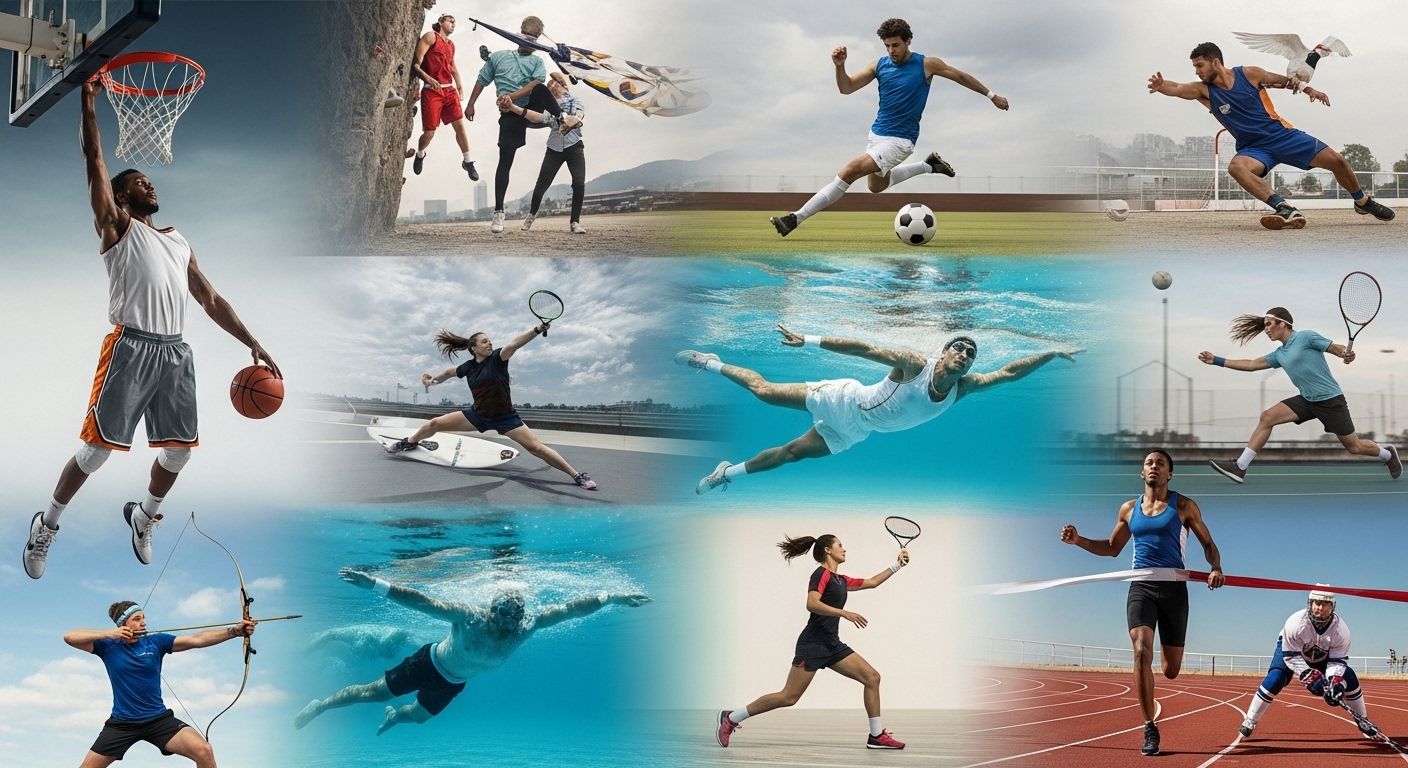
Sports are far more than just physical activities or competitions. They are an integral part of our lives, holding the power to unite, inspire, and transform. Whether it’s a local match in a small town or a global event like the Olympics, sports offer a shared experience that transcends cultural, social, and geographical boundaries. They have the power to ignite emotions, teach valuable life lessons, and foster communities. In this post, we’ll explore the diverse ways in which sports impact our world, from individual growth to societal change.
The Emotional Power of Sports
At their core, sports are driven by emotion. Whether it’s the joy of scoring a game-winning goal, the heartbreak of a last-minute loss, or the raw determination to finish a race, sports evoke feelings that few other activities can. The adrenaline rush, the collective anticipation, and the celebrations that follow victories create a deep emotional connection between athletes and fans alike.
These emotions are what make sports truly special. They provide an escape from the everyday, offering a space where individuals can lose themselves in the excitement of the game. For fans, sports can serve as a source of identity and pride, especially when it comes to supporting national or local teams. The highs and lows experienced during a game become a shared experience that unites people, creating a sense of belonging and community.
Sports as a Mirror of Society
Sports have always been a reflection of the societies in which they are played. They mirror our values, our beliefs, and our cultural norms. For instance, team-based sports like football or rugby emphasize qualities such as teamwork, discipline, and collective effort, reflecting a society that values cooperation and unity. On the other hand, individual sports like tennis or athletics often highlight personal determination, self-discipline, and individual success.
Throughout history, sports have also acted as a platform for social change. Think of the Civil Rights Movement, where athletes like Muhammad Ali and Jackie Robinson used their platforms to challenge racial injustice. Today, athletes continue to use sports to advocate for causes like gender equality, environmental sustainability, and mental health awareness. In this way, sports are not just a form of entertainment—they are a reflection of our society’s struggles, triumphs, and aspirations.
The Role of Sports in Shaping Character
Beyond physical fitness, sports play a critical role in shaping an individual’s character. From an early age, participation in sports teaches fundamental life skills such as discipline, resilience, teamwork, and leadership. Children learn how to handle success and failure, how to work as part of a team, and how to push beyond their limits to achieve their goals.
As athletes grow and develop, the lessons learned from sports become even more valuable. Professional athletes, for instance, experience both the highs of victory and the crushing lows of defeat. Their ability to navigate these challenges and maintain their focus often defines their success, not just on the field, but in life as well. The lessons of perseverance and dedication learned through sports are transferable to almost any aspect of life, from careers to personal relationships.
The Social Impact of Sports
One of the most powerful aspects of sports is their ability to bring people together. Whether it’s playing in a local league or watching a major sporting event, sports have a way of fostering community. They create spaces where people from all walks of life can come together, share a common experience, and celebrate their love for the game.
In many ways, sports serve as a social glue, binding people across different backgrounds. They can break down social, racial, and economic barriers, offering everyone a chance to participate, cheer, or spectate. Major sporting events like the World Cup, the Super Bowl, or the Olympics provide a global stage where people from different cultures unite in their shared love of the game.
Youth sports, in particular, play a significant role in shaping communities. They offer young people a chance to learn valuable life skills while also fostering friendships and social connections. Through local leagues, kids from different neighborhoods and backgrounds can form bonds that go beyond the game itself, creating lasting relationships and strong community ties.
The Health Benefits of Sports
Beyond the social and emotional impact, sports have undeniable physical and mental health benefits. Regular participation in sports helps improve cardiovascular health, build strength and endurance, and increase flexibility. It can reduce the risk of chronic diseases such as heart disease, diabetes, and obesity.
The mental health benefits of sports are equally important. Engaging in physical activity triggers the release of endorphins, which help reduce stress, anxiety, and depression. Sports provide a healthy outlet for emotions and offer a break from the pressures of everyday life. Whether it’s running, swimming, or playing a team sport, the physical exertion required in sports also promotes mental clarity and a sense of accomplishment.
Sports also help build confidence and self-esteem. Athletes who push their bodies to the limit often experience a boost in self-worth, which can translate into other areas of their lives. The sense of achievement that comes with improving skills or achieving a goal in sports reinforces the idea that hard work and dedication lead to success.
The Economic Impact of Sports
Sports also play a significant role in driving economies. From local leagues to major international tournaments, sports generate billions of dollars in revenue through ticket sales, merchandise, broadcasting rights, and sponsorship deals. The sports industry supports millions of jobs worldwide, from athletes and coaches to stadium staff, media personnel, and event organizers.
Major sporting events such as the World Cup or the Olympics provide a substantial boost to local economies by attracting tourists, creating jobs, and increasing demand for goods and services. The infrastructure built for these events—stadiums, hotels, and transportation—often leaves a lasting legacy that benefits the community for years to come.
Additionally, sports have become a major advertising platform, with brands investing heavily in sponsoring athletes and teams. This commercial aspect of sports has turned it into a global business, with companies looking to tap into the massive audience that sports attract.
The Future of Sports: Innovation and Inclusivity
As technology continues to advance, the future of sports looks incredibly promising. Innovations in sports science, equipment, and training methods are pushing the boundaries of what athletes can achieve. From performance-enhancing wearables to advanced data analytics, technology is transforming the way athletes train and compete.
Moreover, sports are becoming more inclusive. Efforts are being made to ensure that everyone, regardless of gender, disability, or background, has the opportunity to participate. Women’s sports are receiving more attention and investment, and adaptive sports for athletes with disabilities are gaining wider recognition. The future of sports promises to be more diverse and accessible, reflecting the global nature of the sport itself.
Conclusion: The Timeless Power of Sports
Sports are more than just a pastime or a form of entertainment. They are a reflection of human nature, a means of personal growth, and a powerful tool for social change. Whether through the lessons they teach, the communities they build, or the global events they create, sports are a force that unites us all.
In a world that is constantly changing, sports offer something timeless—a sense of belonging, achievement, and collective experience. They remind us of what it means to challenge ourselves, to work together, and to never give up. Sports, in their many forms, continue to inspire us and remind us of the power of passion and perseverance.