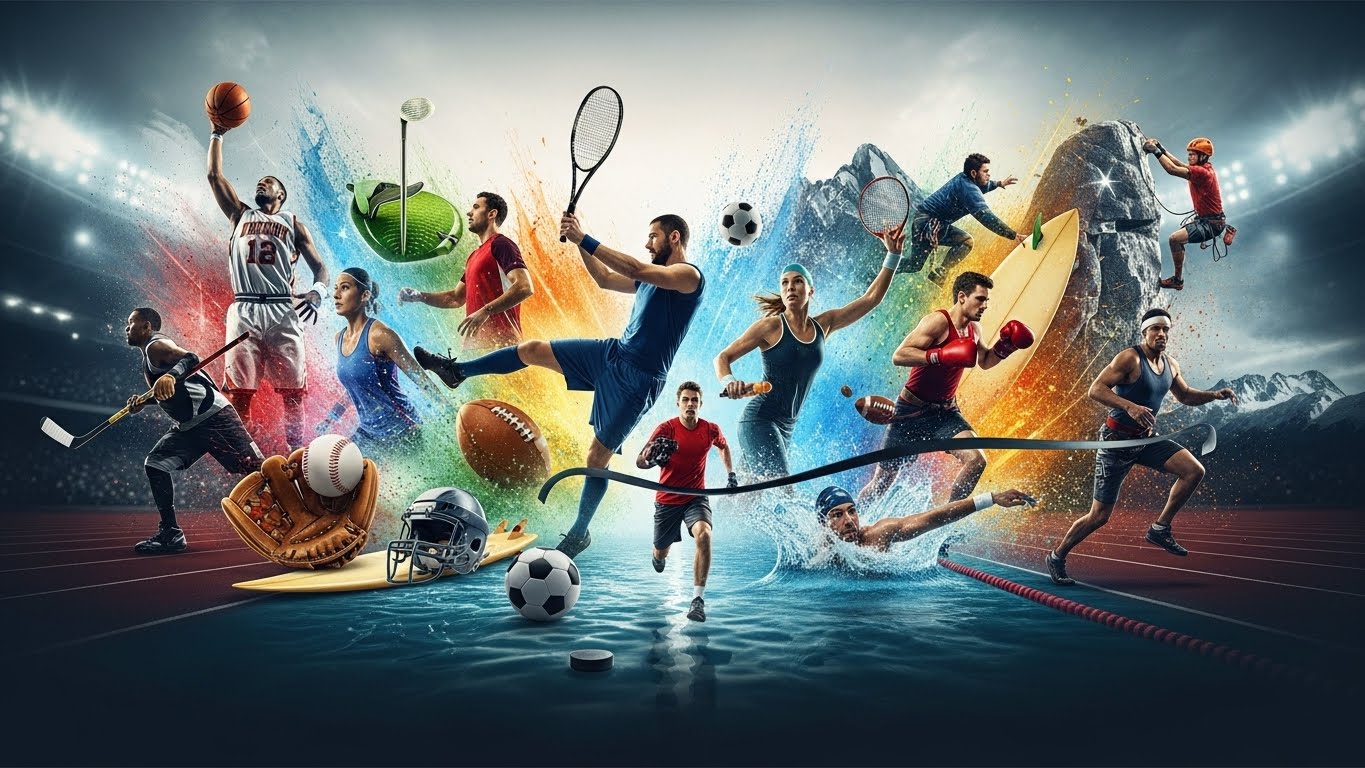


Introduction: The Universal Language of Movement
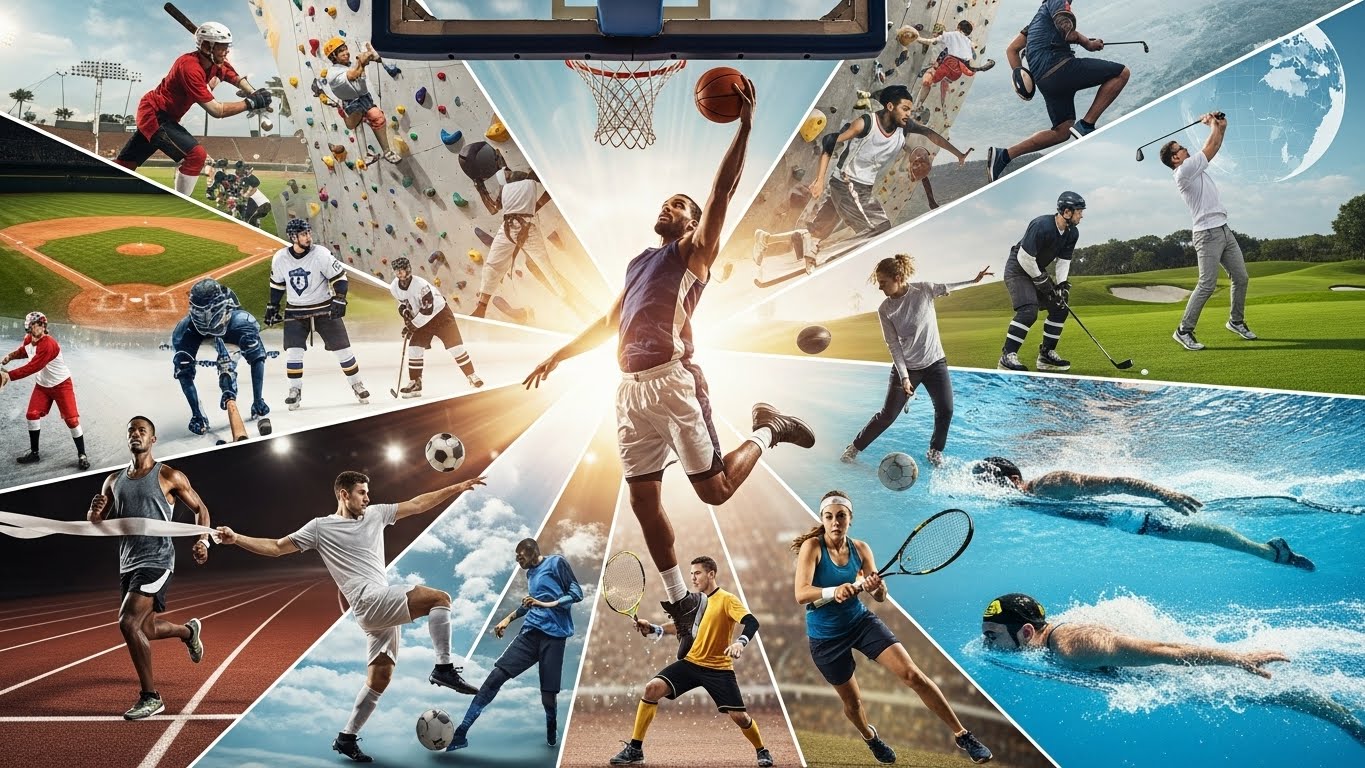
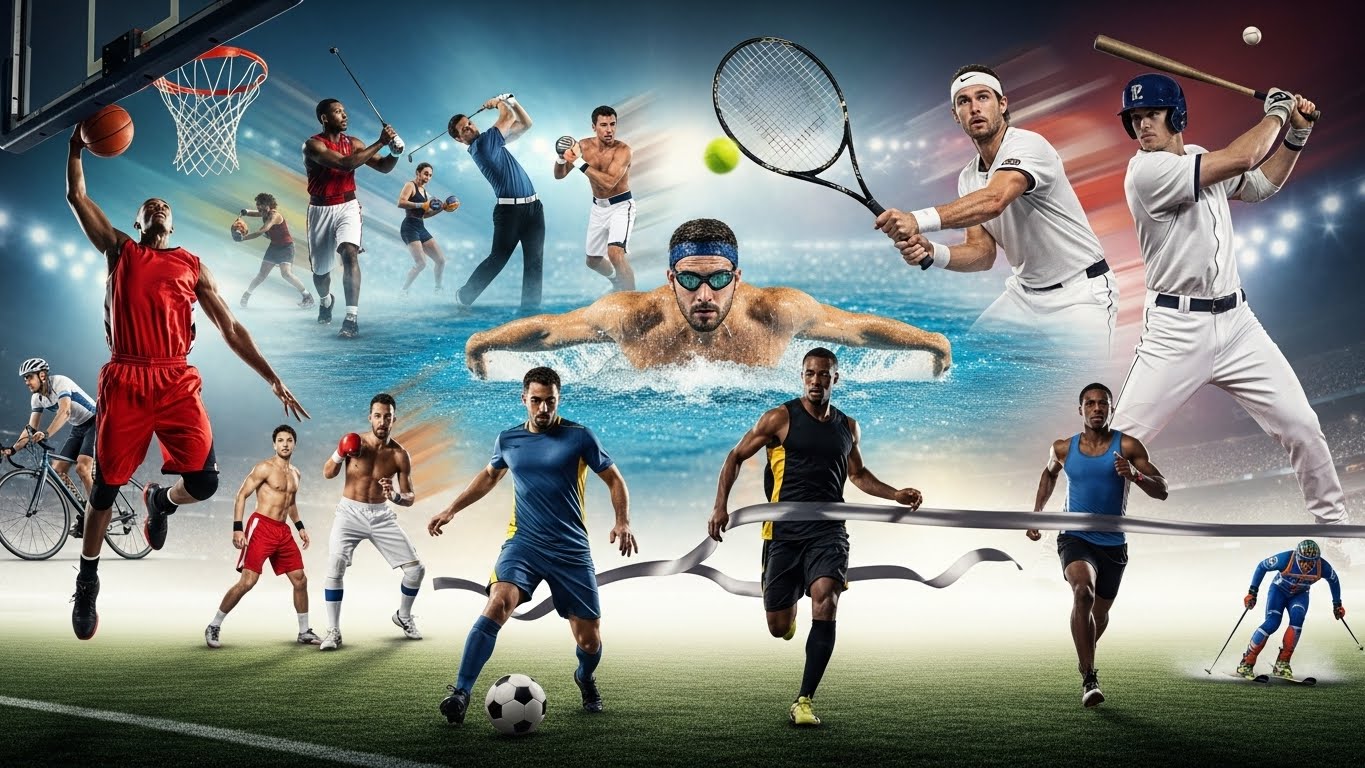
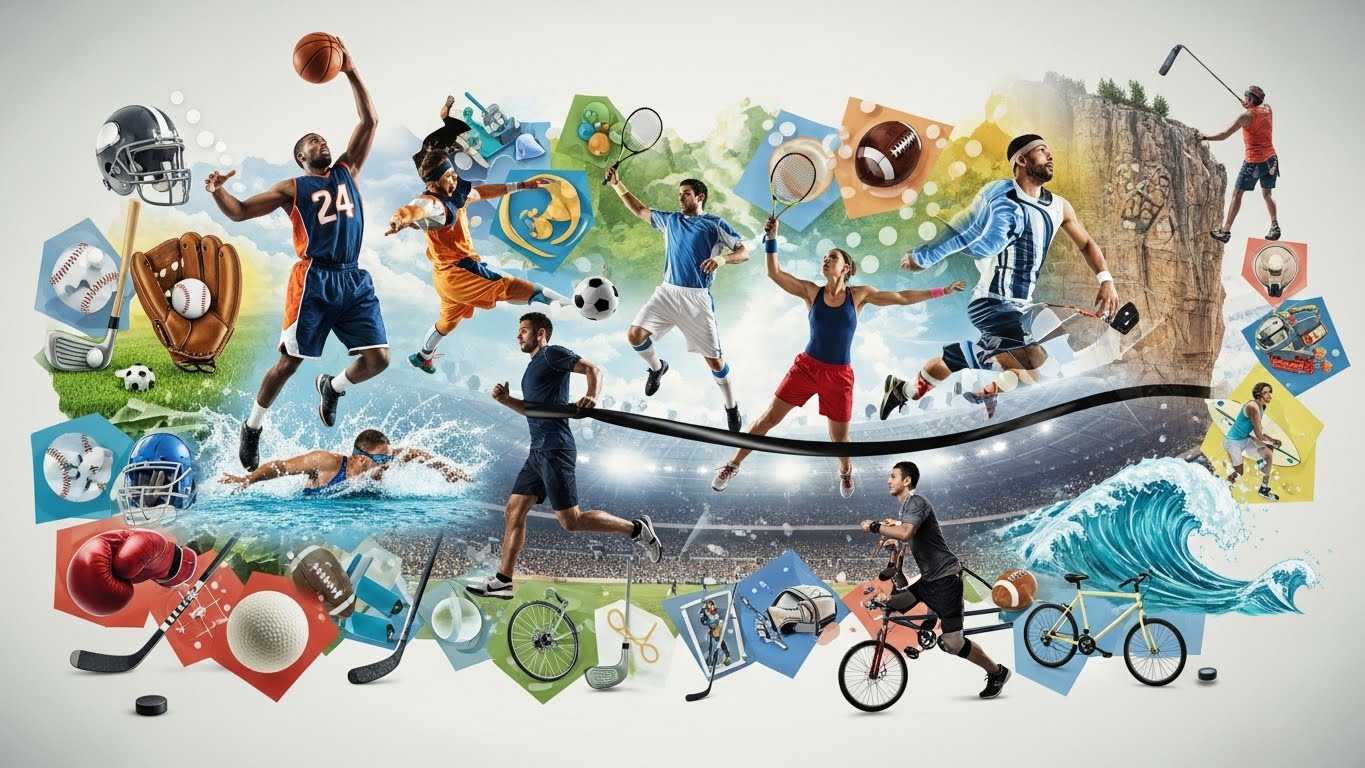
Sports have existed for as long as civilization itself. Whether it was ancient warriors wrestling for honor, children racing along dusty roads, or modern athletes performing before millions of fans, the essence remains the same — a pursuit of excellence, passion, and human connection. Sports transcend language, culture, and geography. They are an expression of the human body’s potential and the human spirit’s desire to test its limits.
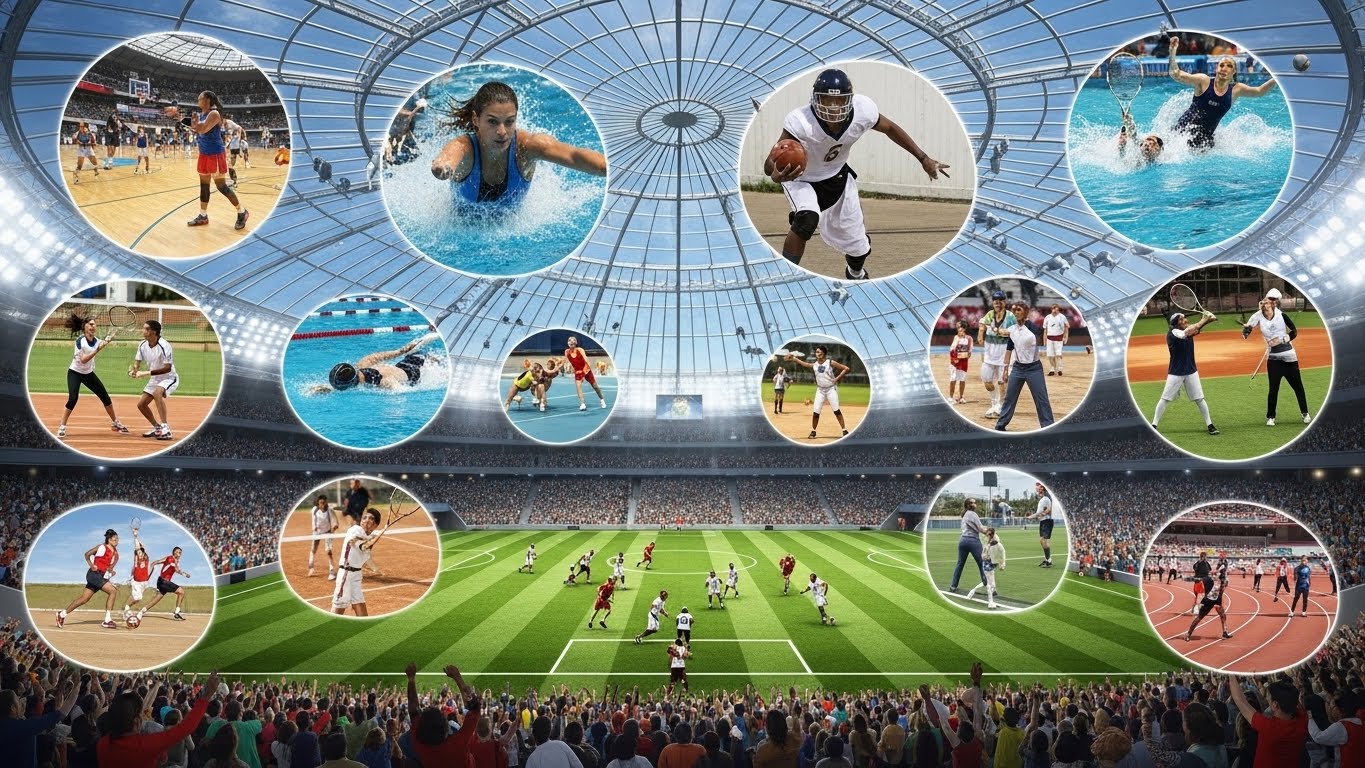
From the roar of a packed stadium to the quiet focus before a crucial serve, sports capture the drama, discipline, and joy of being alive. They have evolved from simple games into a multibillion-dollar global phenomenon that shapes identity, politics, and even the economy. But beyond all that, sports are a reflection of who we are — our struggles, our dreams, and our never-ending quest to become better.
The Origins of Sports: From Ritual to Recreation
Long before there were scoreboards, referees, or endorsement deals, there were games. In ancient societies, physical contests were often tied to rituals, harvests, and warfare. The first Olympic Games in ancient Greece, held in 776 BC, were as much a celebration of the gods as they were of athleticism. Running, wrestling, and chariot racing were seen as noble pursuits, reserved for the strongest and most disciplined men.
Across the world, similar traditions emerged. The Mayans and Aztecs played a ball game called Ōllamaliztli, which carried deep religious significance. In China, the game of Cuju, a precursor to modern soccer, was played more than 2,000 years ago. In Africa, communities practiced traditional wrestling that combined strength, rhythm, and ceremony. These early sports not only provided entertainment but also strengthened community bonds and prepared participants for the challenges of life and war.
As societies grew more structured, sports began to shift from ritual to recreation. They became a way to build discipline among soldiers, promote health, and display national pride. Over time, codified rules, competition formats, and organized training emerged, leading to the modern sporting systems we know today.
The Birth of Modern Sports
The nineteenth century was a turning point for sports. During this era, many of the games we recognize today were formalized. The industrial revolution brought urbanization and new leisure time, giving rise to clubs, schools, and associations that institutionalized sports.
Football (soccer) gained global traction through the British Empire, spreading from England’s schools and naval bases to the far corners of the world. Cricket, rugby, and tennis followed a similar path, embedding themselves in cultures as symbols of colonial influence — and later, national identity.
The revival of the Olympic Games in 1896 marked another milestone. It created a global stage for athletes to compete peacefully under the banner of sportsmanship. The founder, Pierre de Coubertin, envisioned the Olympics as a means to foster unity among nations. Since then, the Olympic flame has become a symbol of human perseverance and cooperation, even amid political and cultural divides.
The Emotional Power of Sports
One of the most extraordinary things about sports is their emotional resonance. A single match can elicit the full spectrum of human emotion — joy, despair, pride, anger, and hope. Sports stories are among the most compelling narratives we share, because they mirror life itself.
Consider the underdog triumphs — teams or individuals who defy odds and expectations to achieve greatness. These moments remind us that success is not predetermined by circumstance but earned through resilience. When an unknown runner overtakes the favorite in the final stretch, or when a team comes back from near defeat to win in overtime, it touches something universal within us.
Sports are also collective experiences. When fans gather in stadiums or watch from their homes, they participate in a shared emotional journey. Victories and defeats are felt deeply, as if personal. Entire nations unite behind their teams, their joy spilling into the streets when a trophy is lifted. In that moment, the barriers between people — social, cultural, or political — seem to dissolve. That is the true magic of sports: its ability to unite humanity, if only for a fleeting instant.
The Role of Sports in Society
Sports are far more than games; they are social forces. They shape identities, build communities, and even influence politics. Throughout history, sports have served as platforms for change, providing athletes with a stage to speak out against injustice and inequality.
In the mid-twentieth century, athletes like Jackie Robinson broke racial barriers in baseball, challenging segregation in America. Muhammad Ali, beyond his boxing greatness, became an icon of resistance and conviction, standing firm on issues of race and war. More recently, movements like “Black Lives Matter” have found echoes in sports arenas around the world, with players using their visibility to amplify calls for equality.
Sports also serve as instruments of diplomacy. The concept of “ping-pong diplomacy” between the United States and China in the 1970s is one of the most famous examples, where table tennis players helped thaw Cold War tensions. The Olympic Games, though sometimes marred by politics, continue to represent a hope for peaceful coexistence through friendly competition.
Beyond politics, sports play a vital role in public health and education. Schools and communities use sports to teach teamwork, leadership, and discipline. Physical activity combats the rise of sedentary lifestyles and the health problems associated with them. The lessons learned on the field — resilience, fair play, and perseverance — often translate into success in life.
The Evolution of Technology in Sports
Technology has revolutionized every aspect of sports. From performance analytics to broadcasting, innovation has enhanced how athletes train, how fans engage, and how games are played.
Training is now guided by data. Athletes wear sensors that monitor heart rate, movement, and recovery. Coaches use software to analyze performance and design personalized training regimes. The introduction of video replay and goal-line technology has made officiating more accurate, reducing human error and controversy.
Broadcast technology has also transformed the fan experience. High-definition streaming, instant replays, and immersive camera angles bring viewers closer to the action than ever before. Virtual and augmented reality are beginning to reshape how audiences watch and interact with live events. Fans can experience the sensation of being courtside or inside a stadium without leaving their living rooms.
Meanwhile, social media has created a new kind of athlete-fan relationship. Sports stars are no longer distant heroes; they are accessible personalities, sharing their journeys, opinions, and daily lives online. This shift has made sports more personal, but it also brings new pressures — from constant public scrutiny to the challenge of maintaining mental health in the digital age.
The Business of Sports
Modern sports are also a massive industry. From sponsorships and broadcasting rights to merchandise and ticket sales, sports generate billions of dollars globally. Major events like the FIFA World Cup, the Super Bowl, and the Olympics attract colossal audiences and corporate investments.
Athletes have become brands in themselves. Their endorsements shape global marketing campaigns, and their influence extends beyond sports into fashion, entertainment, and social causes. Teams, too, have evolved into global franchises, with fan bases that span continents.
However, this commercialization has its critics. Some argue that the influx of money has corrupted the purity of competition, prioritizing profit over passion. The rise of mega-contracts and corporate interests sometimes distances sports from their grassroots origins. Yet, the financial success of sports has also enabled broader participation, improved facilities, and greater global exposure for athletes of all backgrounds.
Women in Sports: Breaking Barriers and Redefining Power
For centuries, women were excluded from professional sports or dismissed as incapable of achieving at the same level as men. That perception has changed dramatically, thanks to trailblazers who defied norms and proved that strength, skill, and intelligence know no gender.
From Billie Jean King’s fight for equality in tennis to Serena Williams’ domination on the court, female athletes have not only excelled but also transformed cultural expectations. The rise of women’s soccer, particularly the success of teams like the United States Women’s National Team, has shown the world that women’s sports can command the same passion and respect as men’s.
Media coverage of women’s sports, though still lagging behind, is improving. Sponsorships, viewership, and youth participation are all on the rise. The message is clear — sports belong to everyone. The more inclusive the field becomes, the richer the global sports culture grows.
The Psychology of Competition
What drives athletes to push their limits? The psychology of sports is as fascinating as the games themselves. Motivation, focus, and resilience often separate champions from the rest.
Athletes face enormous physical and mental challenges. Training for years to compete in events that last mere minutes requires extraordinary dedication. The pressure to perform can lead to stress, burnout, or even mental health struggles. Increasingly, the conversation around athlete well-being is becoming more open, with stars like Simone Biles and Naomi Osaka emphasizing the importance of mental health over medals.
Sports psychology now plays a central role in athlete development. Visualization, mindfulness, and positive self-talk are as essential as physical drills. The mind, after all, directs the body. The difference between victory and defeat can often come down to mindset — the quiet belief that success is possible even in the face of overwhelming odds.
The Dark Side of Sports
While sports are a source of joy and inspiration, they are not without flaws. Issues like doping, corruption, and exploitation have cast shadows over some of the greatest achievements.
The pursuit of victory at any cost has led some athletes and organizations to cheat, using performance-enhancing drugs or manipulating results. Scandals have shaken trust in certain institutions and raised difficult ethical questions about where to draw the line between natural talent and artificial advantage.
Commercial pressures can also exploit young athletes, especially in developing countries, where dreams of fame and fortune can lead to abuse or manipulation. There are also concerns about athlete burnout, overtraining, and long-term injuries. These problems remind us that while competition is beautiful, it must always be guided by integrity and humanity.
The Future of Sports: Innovation and Inclusion
As we look ahead, sports continue to evolve in exciting ways. Technology, diversity, and global connectivity are shaping a new era of participation and fandom.
Esports, once dismissed as mere gaming, has become a global phenomenon, drawing millions of viewers and professional competitors. It represents the digital frontier of sports — a world where skill, strategy, and reflexes replace physical power but maintain the same essence of competition.
At the same time, adaptive sports for athletes with disabilities are gaining recognition. The Paralympic Games showcase the incredible resilience of individuals who redefine what is possible. These athletes demonstrate that limitation is often a matter of perception rather than ability.
Environmental sustainability is also entering the conversation. With climate change affecting everything from snow sports to stadium construction, the sports industry is beginning to embrace eco-friendly practices. The future will demand that major sporting events not only entertain but also respect the planet that hosts them.
Why Sports Will Always Matter
In an age where digital screens dominate and personal connection often feels distant, sports remain a reminder of what it means to be human. They demand presence, physicality, and emotional investment. They teach us how to lose with grace and win with humility.
Sports inspire communities to come together, to cheer for something larger than themselves. They remind us that unity is possible, even in a divided world. Every time an athlete steps onto a field or into a ring, they carry with them the hopes of countless others who see in them the embodiment of effort, courage, and possibility.
The beauty of sports lies not just in the outcome but in the process — the sweat, the failure, the persistence, and the triumph. Whether played professionally or casually in a backyard, sports will always matter because they speak to the essence of the human spirit: our love of challenge, our need for connection, and our joy in motion.
Conclusion: The Eternal Game
From ancient arenas to futuristic stadiums, the story of sports is the story of humanity itself. It reflects our evolution, our struggles, and our victories — both personal and collective.
No matter how much technology changes the world, the essence of sports will endure. There will always be someone running faster, jumping higher, or pushing beyond what was thought possible. There will always be fans cheering, hearts racing, and dreams unfolding in moments that define generations.
Sports, in their purest form, remind us that greatness is not about perfection but about persistence. It is about daring to compete, daring to believe, and daring to fail. The game never truly ends, because as long as there is a human spirit, there will be the desire to play, to strive, and to celebrate the beauty of movement.