
Introduction: The Universal Language of Sports
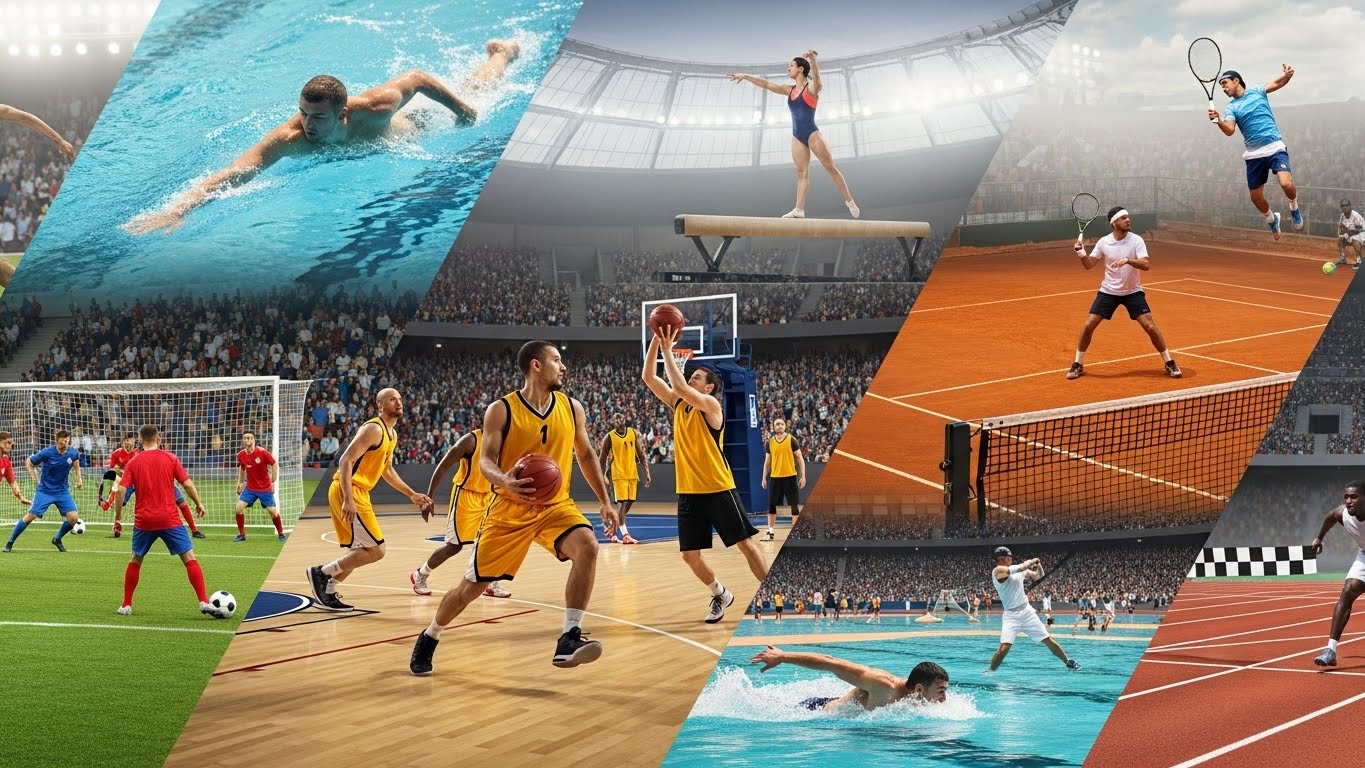
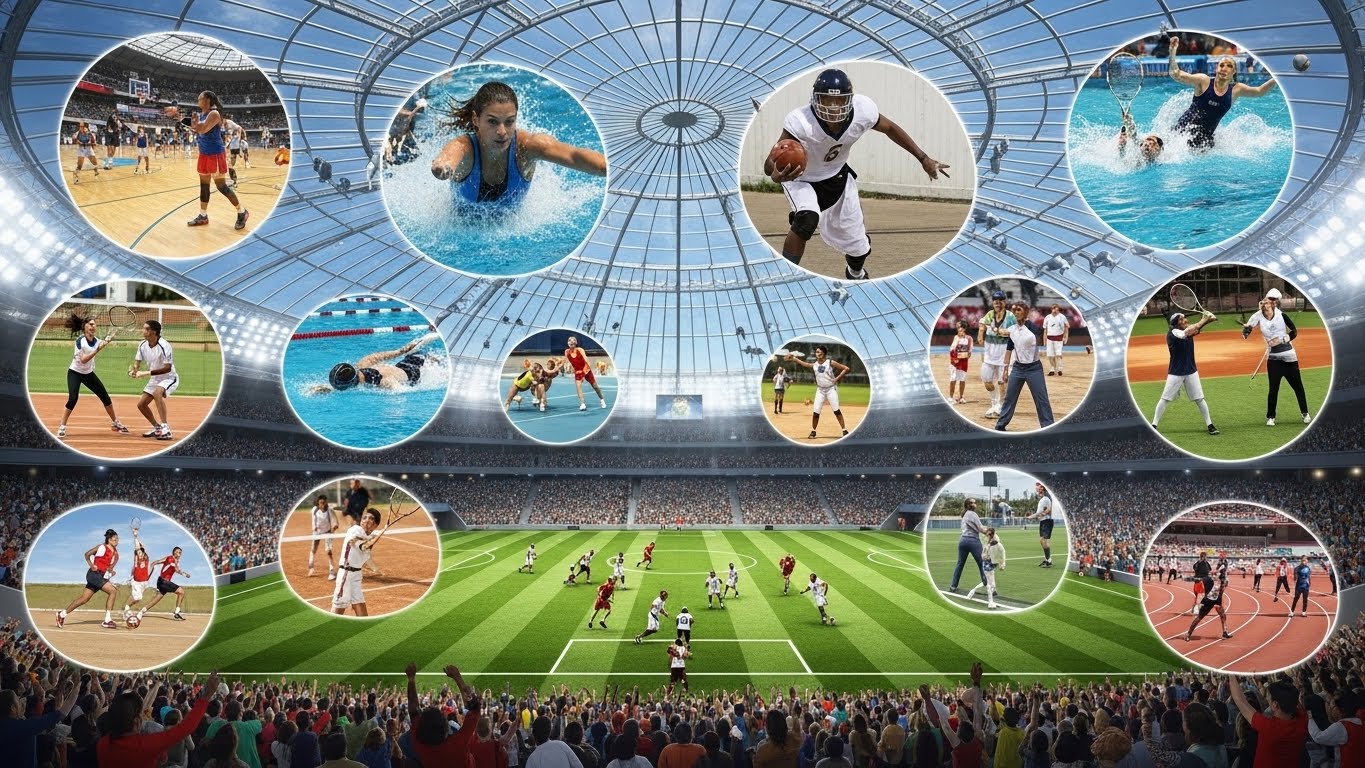
Sports have always been more than just physical activities; they are a universal language that connects people across cultures, generations, and backgrounds. From the roaring stadiums of football to the serene tennis courts, sports create moments of joy, heartbreak, and inspiration. They teach life lessons, build character, and inspire communities. But what makes sports so compelling, and why do they hold such a special place in human society?
The History and Evolution of Sports
Sports have existed for thousands of years, evolving alongside human civilization. Ancient societies, such as the Greeks and Egyptians, celebrated athletic competitions as a way to honor their gods and showcase human strength. The Olympic Games, originating in ancient Greece, became a symbol of unity and excellence. Over centuries, sports have diversified and modernized, incorporating new rules, technologies, and formats. Today, professional leagues and international tournaments attract millions of viewers, creating a global culture around athletic competition.
The Physical Benefits of Sports
One of the most obvious advantages of sports is their impact on physical health. Regular participation in sports improves cardiovascular health, strengthens muscles, enhances flexibility, and promotes overall well-being. Physical activity reduces the risk of chronic diseases, including diabetes, hypertension, and obesity. Beyond fitness, sports help develop coordination, agility, and stamina. Engaging in athletic activities from a young age encourages lifelong habits of exercise, fostering healthier communities.
Mental and Emotional Benefits
While sports improve physical fitness, their benefits extend to mental and emotional health. Participating in sports can reduce stress, anxiety, and depression. The sense of accomplishment after mastering a skill or winning a game boosts self-confidence and self-esteem. Team sports teach collaboration, empathy, and communication, while individual sports promote discipline and self-motivation. Athletes often develop resilience and the ability to handle pressure, lessons that extend far beyond the playing field.
Team Sports vs. Individual Sports
Sports can broadly be categorized into team and individual events, each offering unique experiences. Team sports like football, basketball, and cricket emphasize cooperation, strategy, and camaraderie. They teach players to work towards a common goal, manage conflicts, and rely on each other’s strengths. Individual sports such as tennis, athletics, and swimming focus on personal growth, self-discipline, and individual responsibility. While the thrill of victory in team sports is shared, individual sports highlight personal achievement and the pursuit of excellence.
The Role of Sports in Education
Sports play a crucial role in education, providing students with opportunities to develop physically, mentally, and socially. School sports programs encourage active lifestyles, teamwork, and leadership skills. Participation in sports often correlates with improved academic performance, as physical activity enhances concentration, memory, and problem-solving abilities. Additionally, sports teach students important life lessons, including perseverance, time management, and how to handle both success and failure gracefully.
Inspiring Stories from the World of Sports
The world of sports is full of inspiring stories that captivate audiences and motivate generations. Athletes who overcome adversity to achieve greatness remind us that determination and hard work can transcend circumstances. Whether it’s a young footballer rising from poverty to global fame, or a Paralympic athlete breaking barriers, these stories highlight the human spirit’s resilience. They remind us that sports are not just about winning trophies but about courage, dedication, and the pursuit of dreams.
Sports as a Cultural Phenomenon
Sports are deeply intertwined with culture and society. Major events like the World Cup, the Olympics, and the Super Bowl are more than competitions; they are global celebrations of identity and unity. Sports can bridge social, political, and economic divides, providing a platform for shared experiences. National pride, local rivalries, and fan communities create traditions that last for generations. Through sports, people connect emotionally with each other, forming bonds that transcend language and geography.
The Economic Impact of Sports
Beyond cultural significance, sports have a substantial economic impact. Professional leagues, tournaments, and sporting events generate employment, boost tourism, and stimulate local economies. Athletes themselves become influential figures, shaping industries and endorsing brands. Sports infrastructure, including stadiums and training facilities, contributes to urban development and community engagement. The economic ripple effect of sports demonstrates their importance not just as entertainment but as a driver of growth.
Technological Advancements in Sports
Technology has transformed sports in numerous ways, enhancing both performance and spectator experience. From advanced equipment to data analytics, athletes now have tools to optimize training, prevent injuries, and improve strategy. Virtual reality, augmented reality, and broadcast innovations bring fans closer to the action, making sports more immersive than ever. Technology also enables fairer competitions through innovations like instant replay and electronic scoring, ensuring integrity and transparency in the game.
The Future of Sports
The future of sports promises even greater integration of technology, inclusivity, and sustainability. Emerging sports and adaptive programs are making athletic activities more accessible to people of all abilities and ages. Environmental consciousness is influencing stadium design, event management, and athletic wear. As society continues to evolve, sports will likely continue to inspire innovation, foster unity, and serve as a platform for social change. The enduring appeal of sports lies in their ability to adapt while maintaining the core values of competition, dedication, and human excellence.
Conclusion: More Than a Game
Sports are much more than a pastime or entertainment; they are a reflection of humanity’s pursuit of excellence, resilience, and connection. They teach valuable life lessons, inspire communities, and create memories that last a lifetime. Whether participating, spectating, or analyzing, sports engage our minds, bodies, and hearts in a unique way. The thrill of a last-minute goal, the precision of a perfect serve, and the camaraderie of a shared victory remind us why sports continue to captivate the world. In every corner of the globe, sports remain a timeless celebration of human potential and spirit.