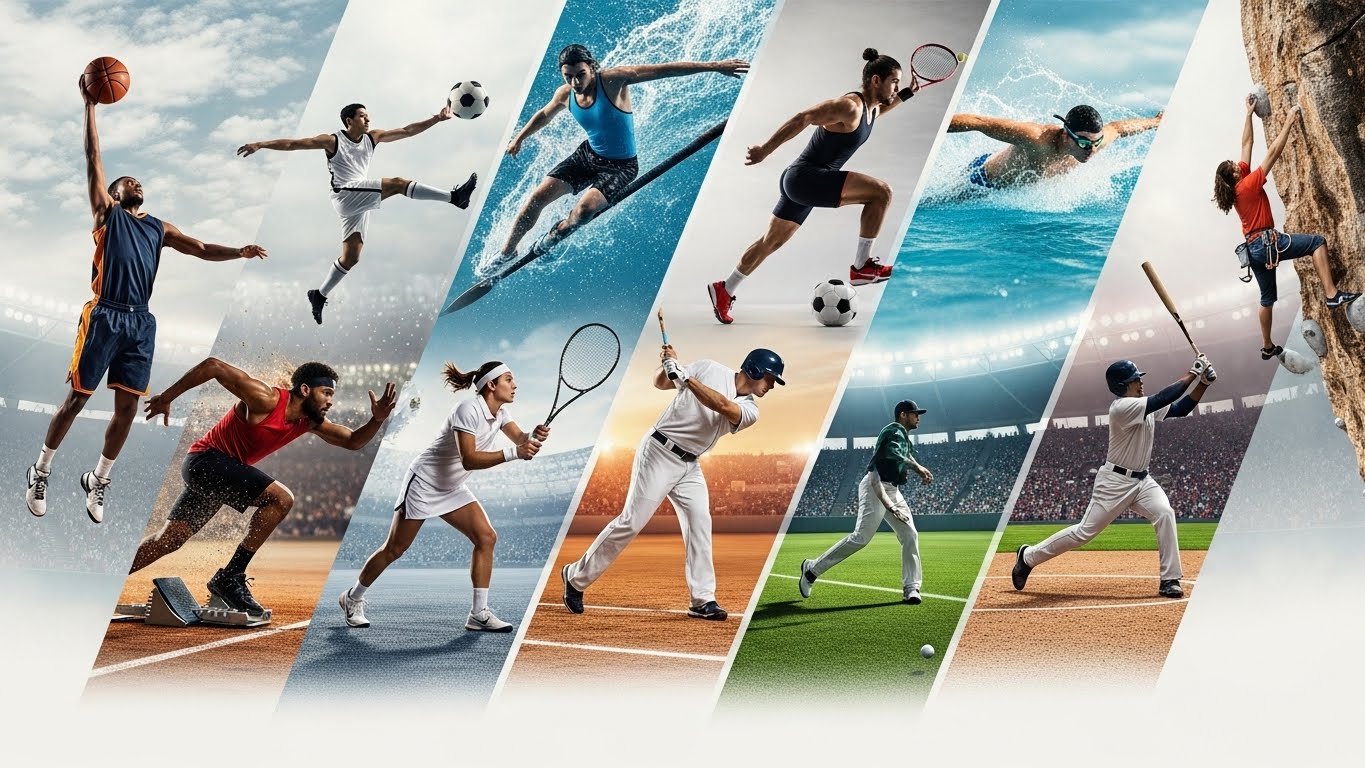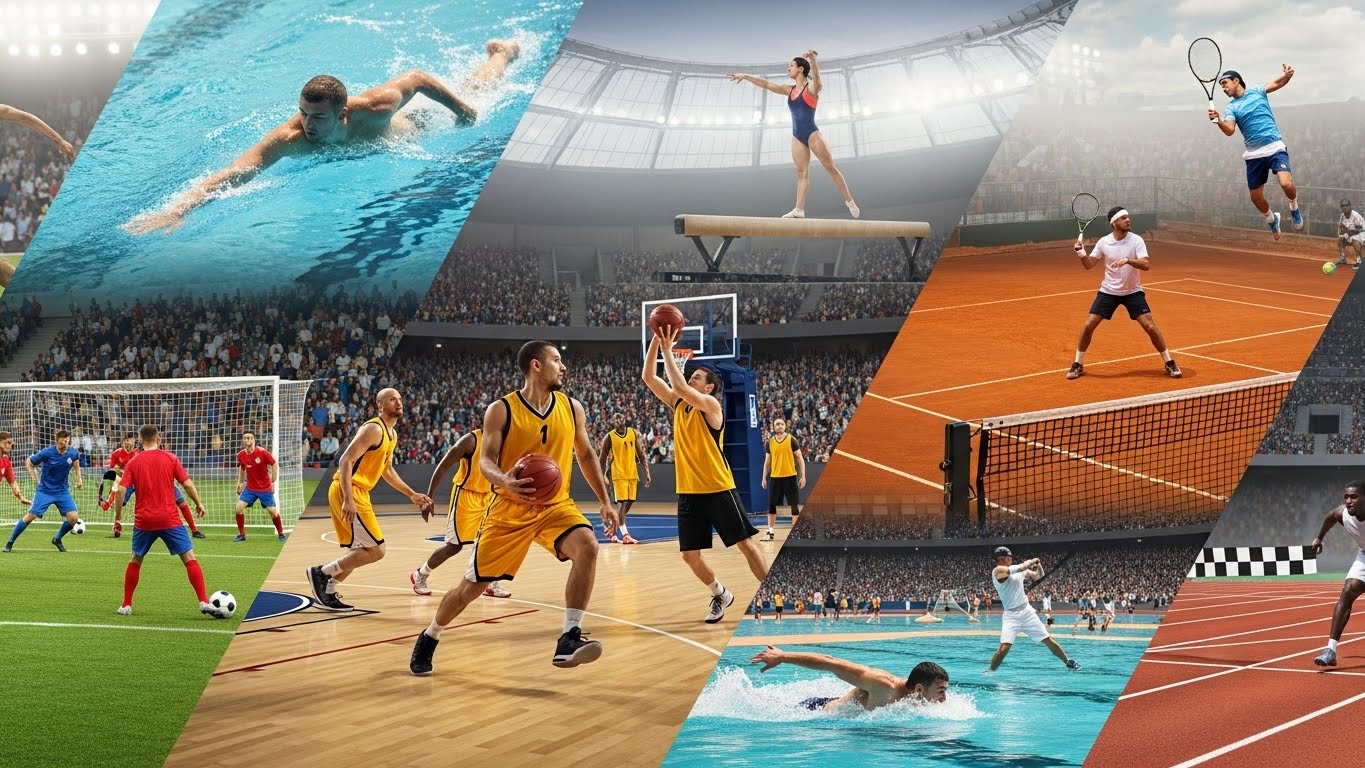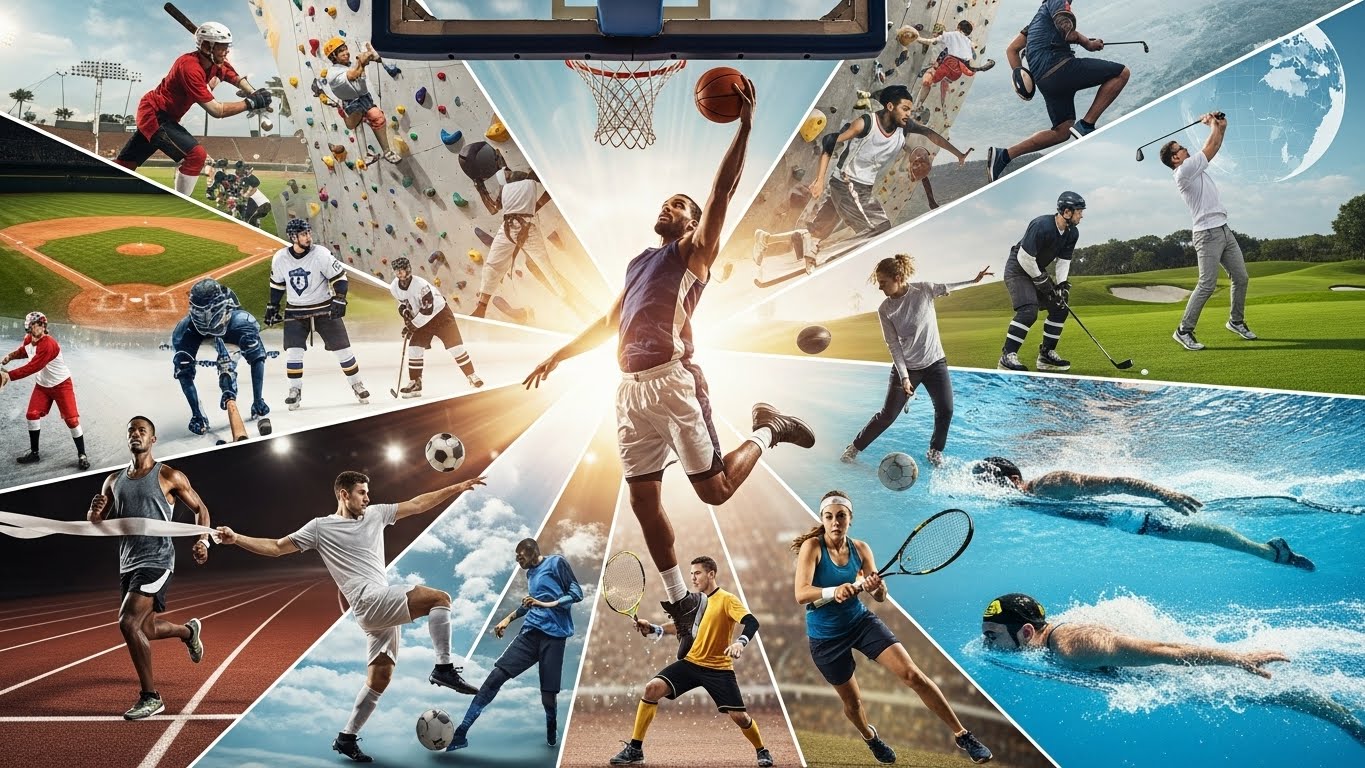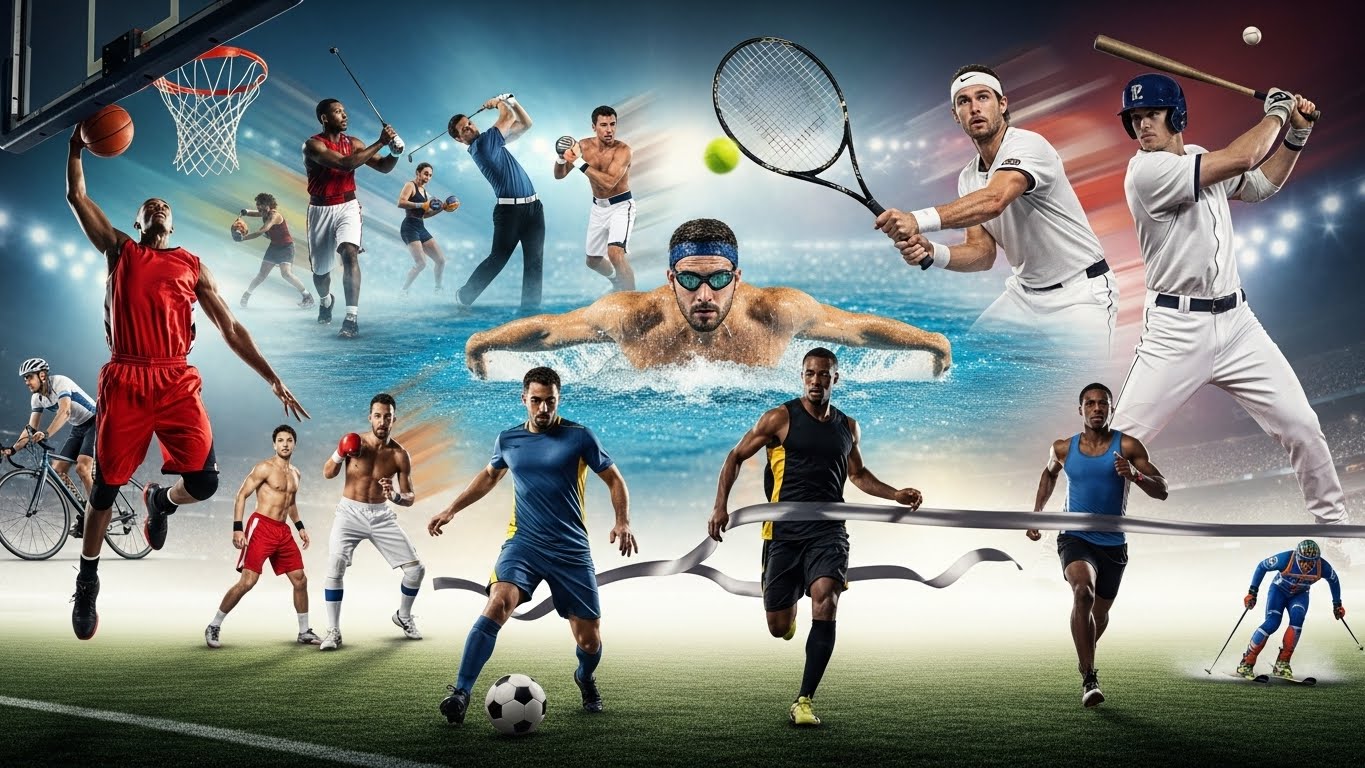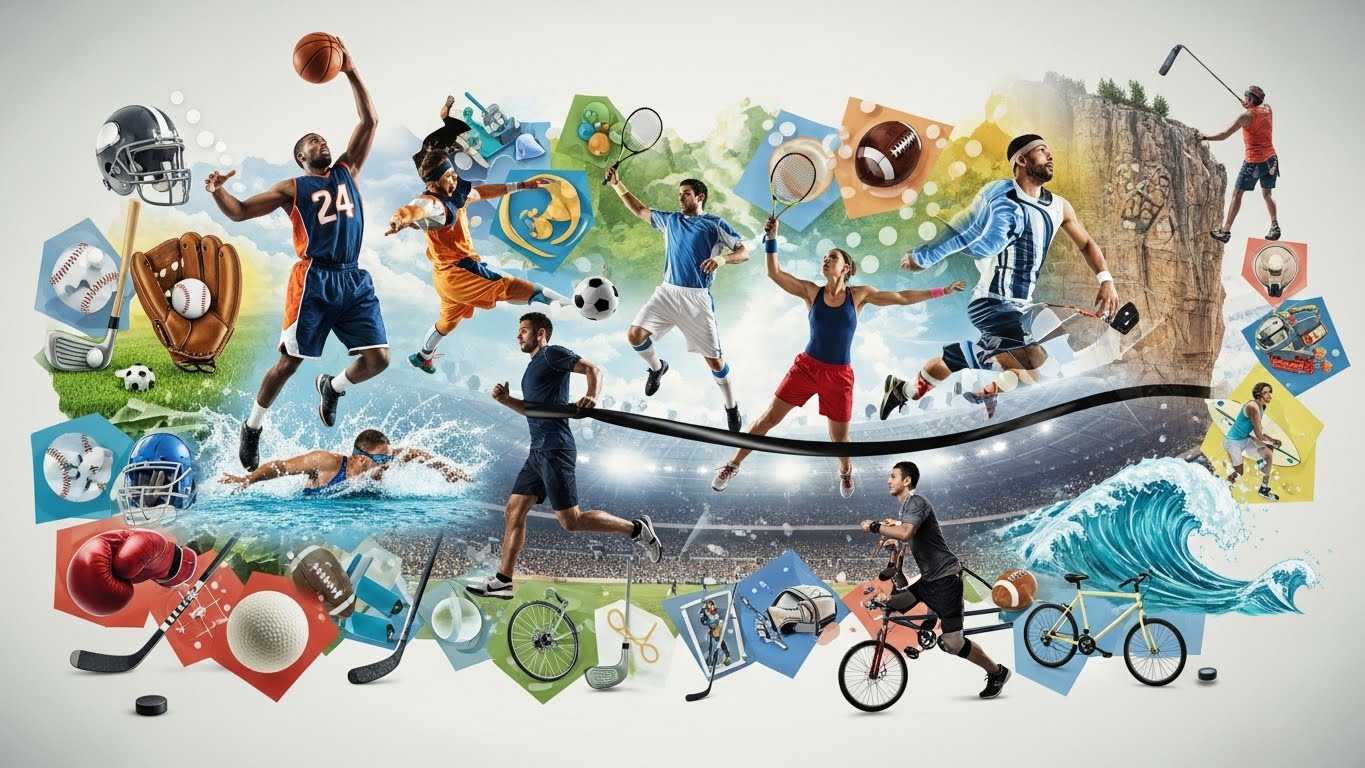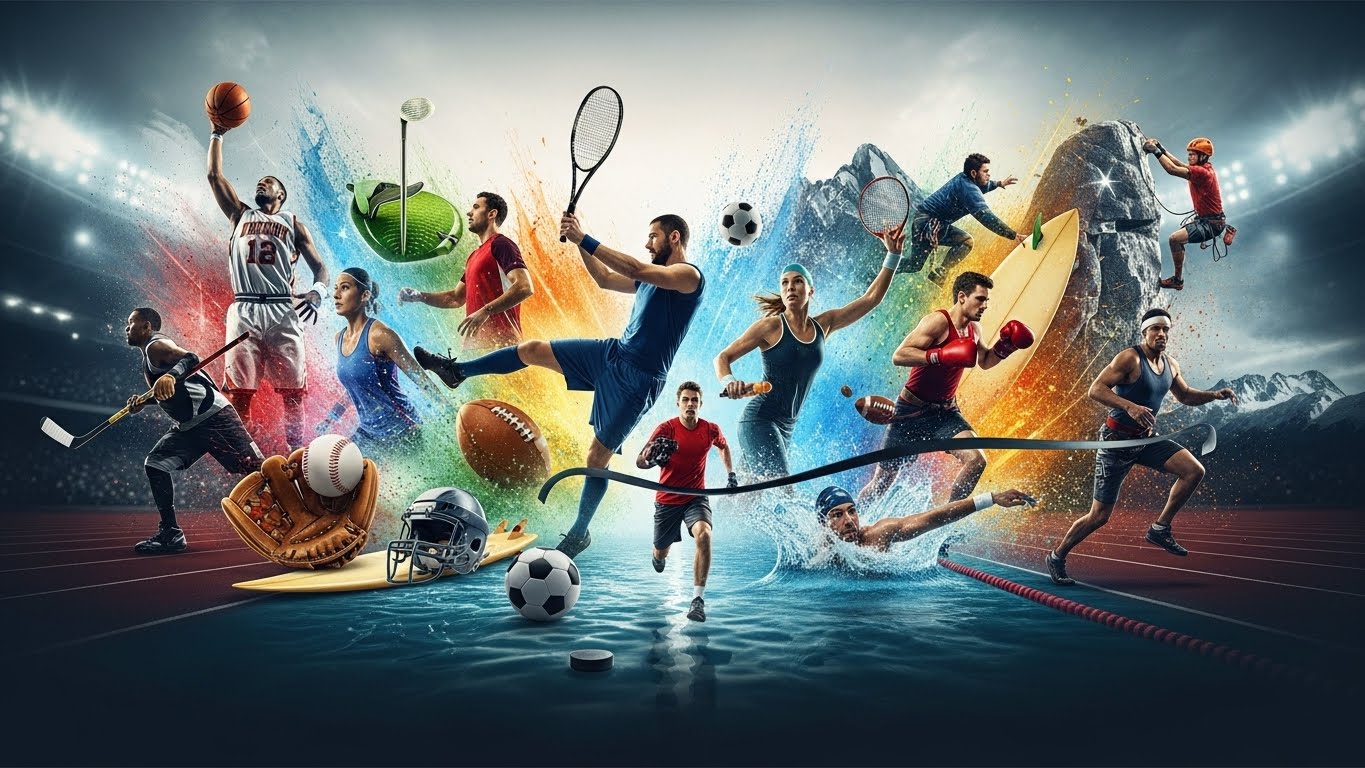

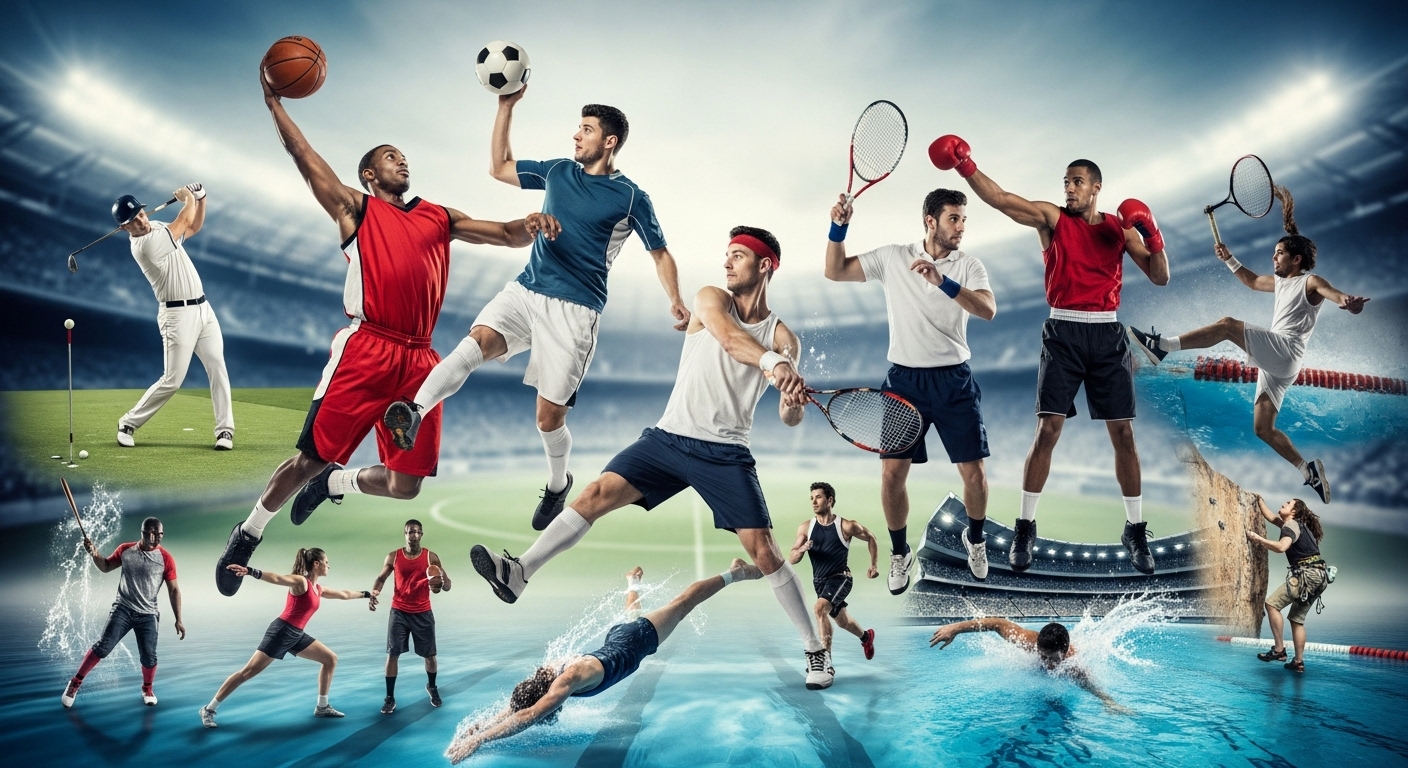
Sports have always been a universal language, transcending cultural, geographic, and social boundaries. From the dusty fields of small towns to grand stadiums that echo with the cheers of thousands, sports evoke a sense of passion and excitement unlike anything else. They are more than just games; they are a celebration of human potential, resilience, and unity. This blog delves deep into the world of sports, exploring its history, significance, impact, and the emotions it ignites in players and fans alike.
The Historical Roots of Sports
Sports have a long and storied history, dating back thousands of years. Ancient civilizations like Greece, Egypt, and Rome engaged in competitive activities not only for recreation but also as a means to prepare for war, showcase strength, and honor the gods. The Olympic Games, originating in Greece in 776 BC, were perhaps the most celebrated manifestation of sports in the ancient world. Athletes from various city-states competed in running, wrestling, and chariot racing, and victory was synonymous with glory and societal honor.
In other parts of the world, traditional sports developed organically to meet cultural and social needs. Martial arts in Asia, like judo, karate, and kung fu, combined physical training with mental discipline and spiritual growth. Indigenous games across Africa, the Americas, and Oceania fostered community bonds and were integral to storytelling, celebration, and rites of passage. Understanding the historical roots of sports reminds us that these activities are far more than entertainment—they are deeply embedded in human civilization.
The Role of Sports in Society
Sports serve multiple functions in society, extending beyond physical activity. They foster social cohesion, teach valuable life lessons, and provide avenues for cultural expression. For many, sports are a means of forging identity and belonging. National teams unite citizens, instilling pride and solidarity during international competitions like the FIFA World Cup or the Olympics. Local clubs and school teams nurture friendships, mentorships, and community engagement.
Sports also instill important values such as discipline, perseverance, teamwork, and fair play. Young athletes learn to handle victories with humility and losses with grace. The lessons learned on the field often translate to life off the field, shaping character, resilience, and leadership. Moreover, sports can act as a catalyst for social change, challenging stereotypes, empowering marginalized communities, and promoting inclusivity.
The Science Behind Athletic Excellence
The brilliance of sports lies not only in its entertainment value but also in the scientific and strategic expertise that underpins performance. Athletes devote countless hours to perfecting their physical, mental, and technical skills. Physical conditioning, nutrition, and recovery are as critical as skill development. Strength, agility, endurance, and flexibility must be harmonized for peak performance.
Mental resilience is equally crucial. The pressure of competition demands focus, composure, and strategic thinking. Sports psychologists work with athletes to enhance concentration, manage stress, and cultivate a winning mindset. Biomechanics and performance analysis help refine movements, minimize injury risk, and optimize efficiency. Even equipment technology, from high-tech running shoes to aerodynamic bicycles, contributes to the precision and speed of modern sports. The intersection of science and skill in sports is a testament to human ingenuity and dedication.
Popular Sports Across the Globe
The world of sports is incredibly diverse, with each region favoring different games. Football, or soccer, is arguably the most popular sport worldwide, celebrated for its simplicity and global appeal. Iconic tournaments like the FIFA World Cup attract billions of viewers, and legendary players inspire generations. Basketball has a massive following, particularly in North America, with the NBA showcasing incredible athleticism and flair.
Cricket dominates in South Asia, Australia, and parts of the Caribbean, blending strategy, skill, and endurance. Tennis, golf, and athletics command international audiences through events like Wimbledon, the Masters, and the Olympic Games. Extreme sports, such as snowboarding, surfing, and skateboarding, offer thrills for adventurers and showcase the human appetite for pushing boundaries. Each sport carries its unique culture, traditions, and fan base, reflecting the diversity of global passions.
Women in Sports: Breaking Barriers
For centuries, sports were predominantly male-dominated, but this has changed dramatically over recent decades. Women athletes have shattered records, challenged stereotypes, and paved the way for greater equality. Trailblazers like Serena Williams, Megan Rapinoe, Simone Biles, and countless others have become symbols of strength, talent, and resilience.
The rise of women’s leagues, increased media coverage, and greater investment in female sports have not only enhanced visibility but also inspired young girls worldwide to pursue their dreams. Women in sports highlight the importance of inclusion, challenging societal norms, and proving that talent and dedication transcend gender. Their achievements underscore sports’ role as a platform for empowerment and social progress.
The Emotional Rollercoaster of Sports Fandom
Few experiences rival the intensity of being a sports fan. The highs of victory and the lows of defeat are deeply felt, creating a sense of connection and emotional investment. Fans celebrate their teams’ triumphs with unparalleled joy, often viewing victories as personal achievements. Similarly, losses can evoke profound disappointment, but they also nurture resilience and hope for the future.
Fandom extends beyond mere support; it creates communities. Fans bond over shared experiences, rituals, and stories, often spanning generations. Stadiums become arenas of collective emotion, where strangers become friends united by a common passion. The culture of fandom is a reminder that sports are as much about human connection and shared experiences as they are about athletic performance.
Youth Development Through Sports
Sports play a pivotal role in the development of children and adolescents. Participation encourages physical fitness, healthy lifestyles, and social interaction. Beyond health, youth sports teach critical life skills such as time management, cooperation, and problem-solving. Young athletes learn the importance of setting goals, working hard, and persevering through challenges.
Schools, clubs, and community programs provide platforms for talent identification and growth. Many professional athletes begin their journey in youth leagues, where early exposure to competition and coaching shapes their future careers. Investing in youth sports fosters healthier, more confident, and socially engaged generations, highlighting the broader societal impact of athletic involvement.
The Intersection of Technology and Sports
Modern sports have been transformed by technology in ways unimaginable a few decades ago. Performance tracking devices, video analysis, and advanced training equipment enhance athlete preparation. Sports analytics inform coaching strategies, talent scouting, and game tactics, allowing teams to gain competitive advantages.
Virtual and augmented reality technologies are revolutionizing fan experiences. Spectators can immerse themselves in games from any location, accessing real-time statistics, multiple camera angles, and interactive content. Even officiating has been refined through technologies like VAR in football and Hawk-Eye in tennis, ensuring fairness and accuracy. Technology has not replaced the human spirit of sports but has amplified its possibilities and accessibility.
Sports as a Catalyst for Global Unity
Major sporting events often transcend politics, culture, and nationality, fostering global unity. The Olympics, for example, bring together athletes from nearly every country, celebrating diversity and camaraderie. Football tournaments, marathons, and other international competitions offer platforms for cultural exchange and mutual respect.
Sports diplomacy has even been used to ease tensions between nations, build alliances, and promote peace. By uniting people around shared passions, sports reinforce the idea that competition can coexist with collaboration and mutual admiration. They remind us of our common humanity, celebrating excellence while bridging divides.
The Challenges Facing Modern Sports
Despite their benefits, modern sports face numerous challenges. Commercialization has transformed many sports into billion-dollar industries, raising questions about the balance between profit and passion. The pressure to perform at elite levels can lead to physical injuries, mental health struggles, and burnout among athletes.
Doping scandals, match-fixing, and corruption threaten the integrity of competitions, while unequal access to resources limits opportunities for talented athletes in developing regions. Addressing these challenges requires ethical leadership, investment in grassroots development, and policies that prioritize athlete welfare and fair play. Only by confronting these issues can sports maintain their spirit and global appeal.
Sports and Mental Health
The link between sports and mental health is increasingly recognized. Regular physical activity contributes to emotional well-being, reduces stress, and improves cognitive function. For athletes, balancing intense training and competition with mental health needs is crucial. Awareness campaigns and access to psychological support help athletes cope with anxiety, depression, and pressure.
Fans also benefit psychologically through sports. The sense of belonging, joy, and emotional release associated with following teams or playing recreationally enhances overall mental wellness. Sports, therefore, serve as a holistic tool for fostering mental resilience, emotional balance, and happiness.
The Future of Sports
The future of sports is both exciting and unpredictable. Emerging technologies, evolving fan expectations, and growing awareness of health and inclusivity are reshaping the landscape. Esports, for example, has surged in popularity, blurring the lines between traditional sports and digital competition. Virtual reality training, AI-driven analytics, and sustainable practices in stadiums and events are redefining the boundaries of sports.
Additionally, greater global collaboration, investment in women’s and youth sports, and emphasis on fair play promise a more inclusive and accessible sporting world. The essence of sports—passion, skill, and human connection—will continue to thrive even as the methods and platforms evolve.
Conclusion: Sports as a Celebration of Humanity
In the end, sports are more than games; they are a reflection of humanity itself. They capture our aspirations, emotions, and collective spirit. Sports inspire us to dream bigger, work harder, and unite across differences. They teach discipline, celebrate diversity, and create moments that become memories etched in time.
Whether as athletes, fans, or observers, engaging with sports enriches our lives. It reminds us of the power of perseverance, the joy of triumph, and the dignity in effort. Sports, in all their forms, will continue to enthrall, challenge, and connect people across the globe—a timeless celebration of human potential and passion.