

Introduction
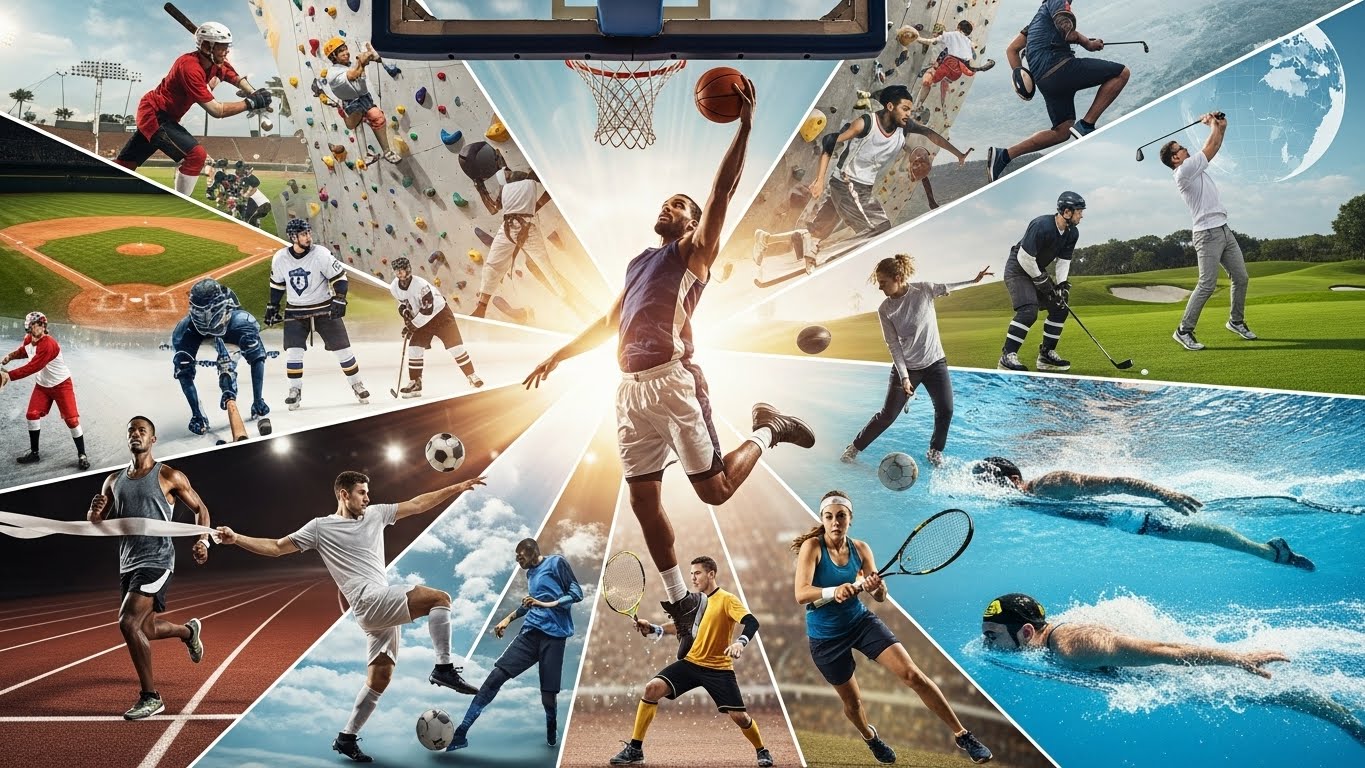
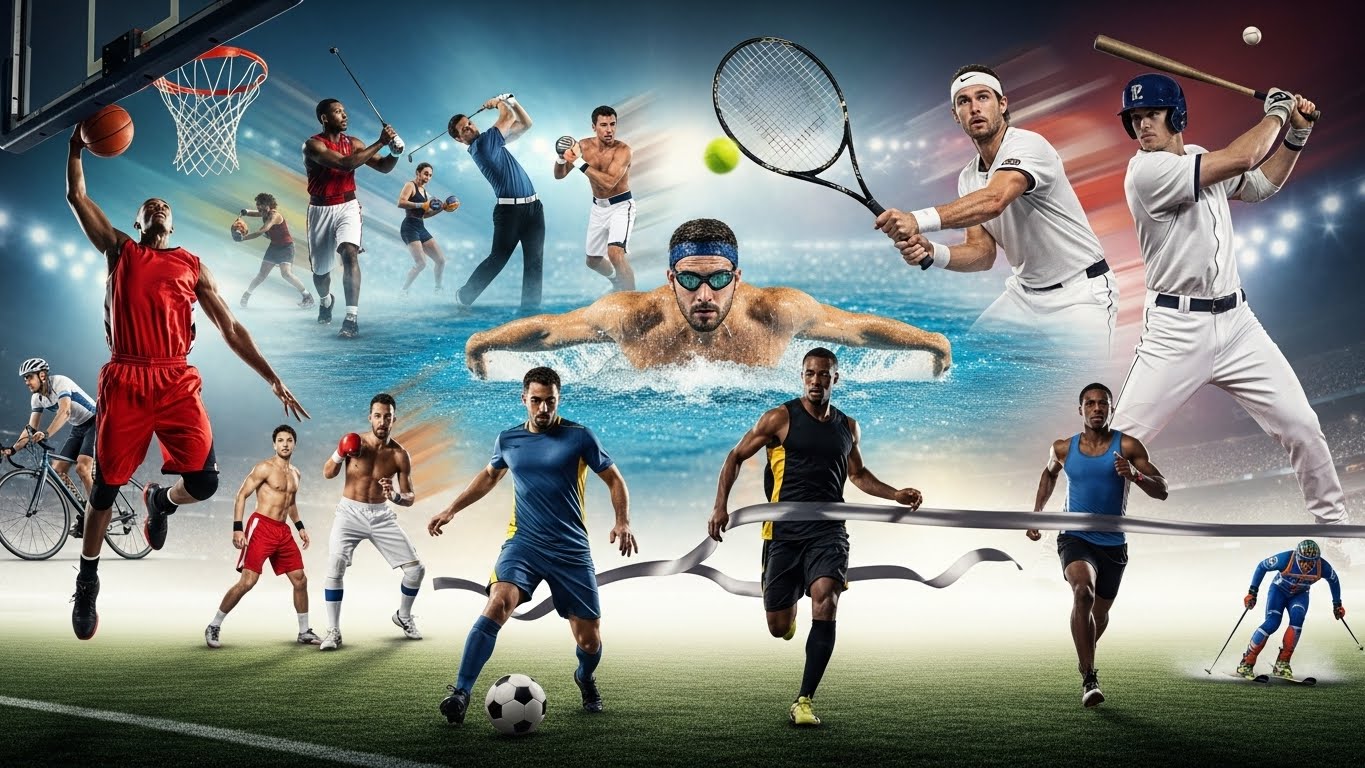
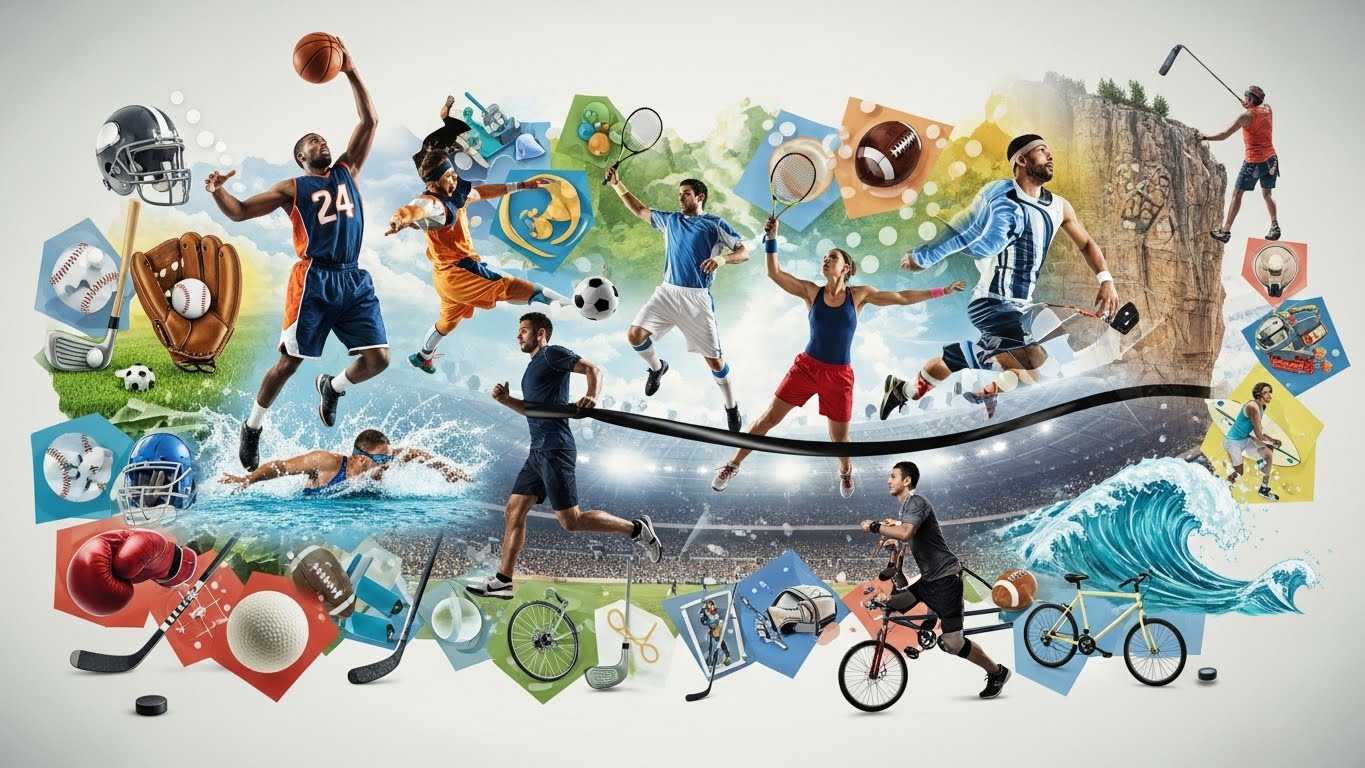
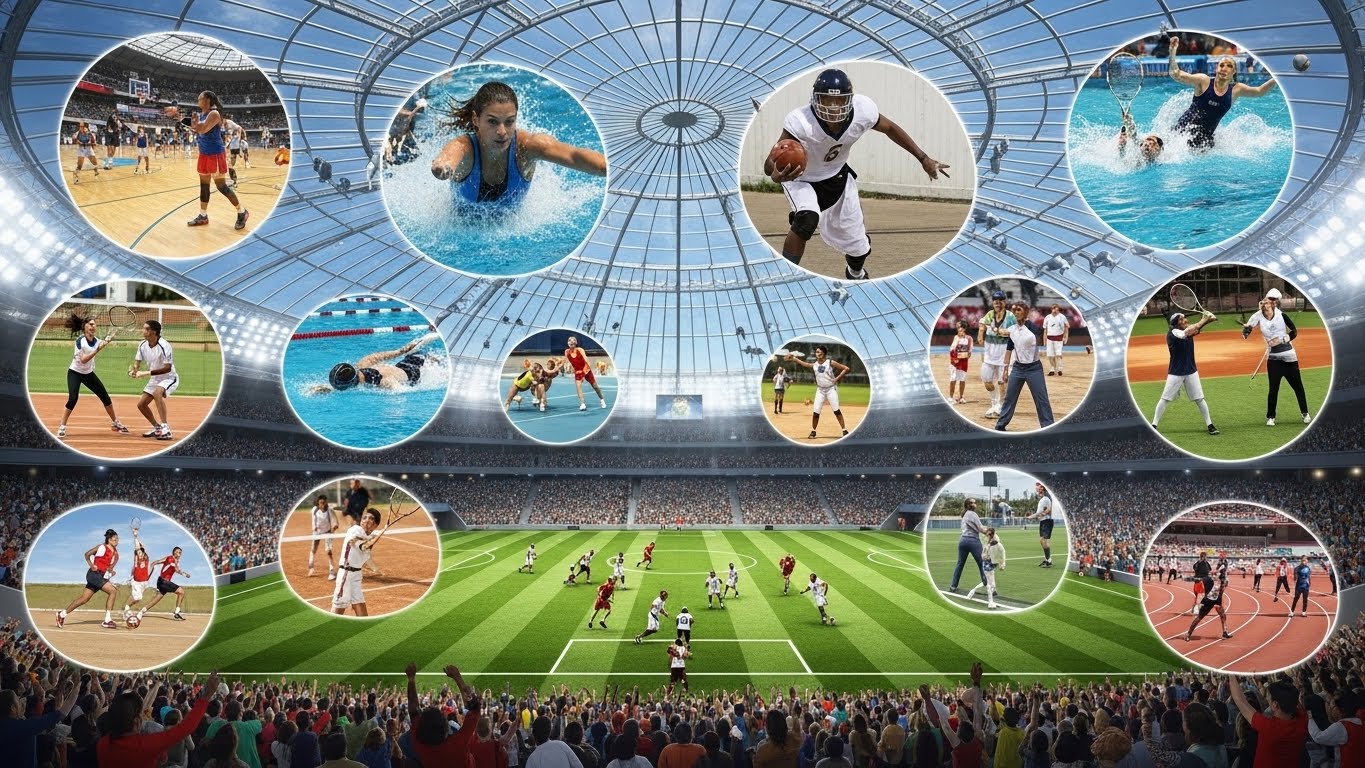
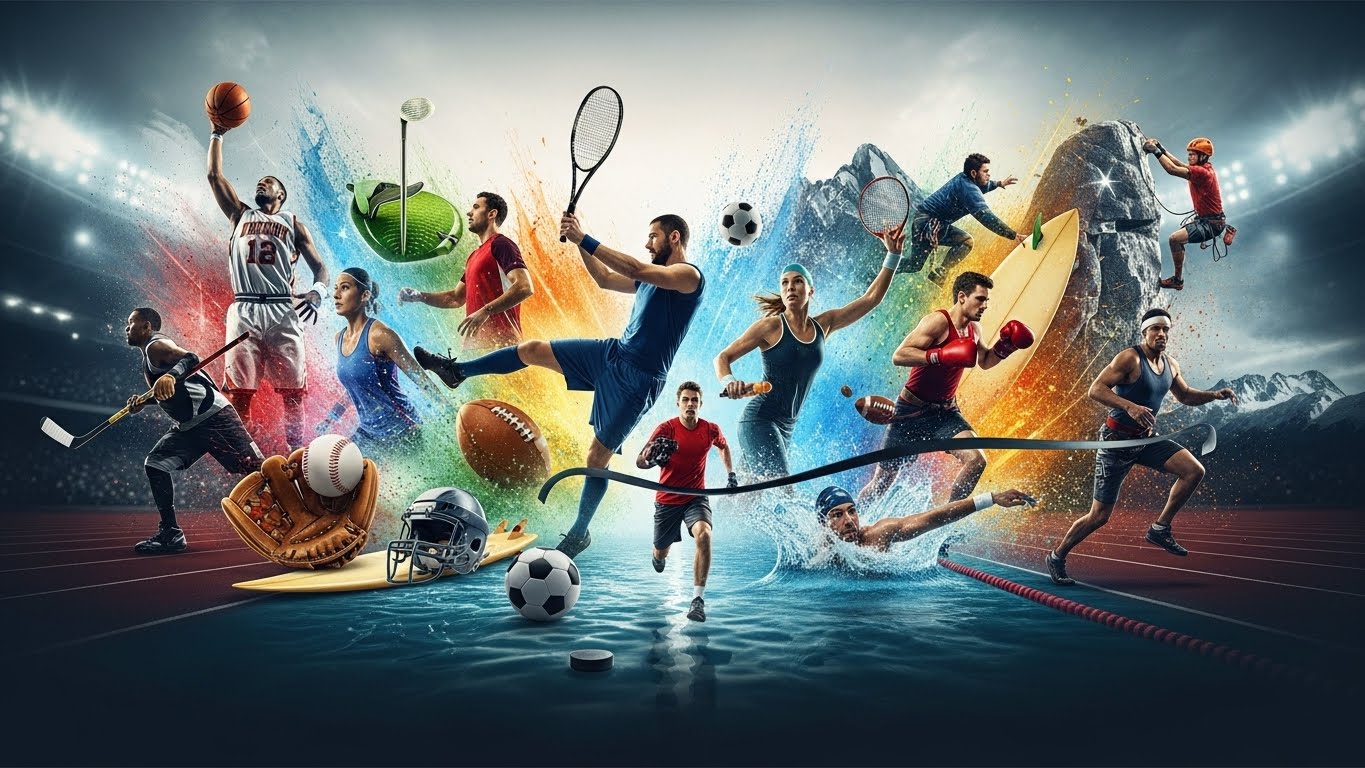
Sports have been a fundamental part of human life for centuries, serving as a means of entertainment, physical activity, and social connection. From the ancient Olympic Games to today’s global sporting events, sports have evolved into a multi-dimensional phenomenon that shapes culture, health, education, and community. Beyond physical competition, sports inspire values such as discipline, perseverance, teamwork, and leadership. They bring people together, bridging cultural, social, and economic divides. This blog explores the comprehensive impact of sports on individuals, communities, and the world at large.
The History and Evolution of Sports
The history of sports stretches back thousands of years. Ancient civilizations organized physical competitions for military training, religious ceremonies, or societal entertainment. The Greeks formalized athletic competitions through the Olympic Games, emphasizing ideals of excellence, honor, and sportsmanship. As time progressed, sports became more structured, with standardized rules, leagues, and international competitions. Technological advancements, globalization, and media coverage have transformed sports into a worldwide phenomenon, making it accessible to audiences across the globe.
Sports and Physical Health
Participation in sports is crucial for maintaining physical health. Regular physical activity strengthens muscles, improves cardiovascular fitness, enhances flexibility, and promotes weight management. It reduces the risk of chronic diseases such as diabetes, hypertension, and obesity. Beyond these benefits, sports help develop coordination, balance, and agility. For children and adults alike, engaging in sports establishes lifelong habits that encourage healthy living and overall well-being.
Mental Health and Sports
Sports also play a significant role in mental health. Physical activity triggers the release of endorphins, which improve mood and reduce stress and anxiety. Participation in sports fosters resilience, focus, and emotional regulation. Team-based sports enhance social interaction and build a sense of belonging, which can alleviate feelings of loneliness and depression. Moreover, sports provide opportunities to set goals, overcome challenges, and experience achievement, all of which contribute to positive mental development.
Teamwork and Leadership Skills
One of the most valuable lessons sports teach is the importance of teamwork. Players learn to communicate effectively, cooperate, and support one another to achieve shared objectives. Team sports such as soccer, basketball, and volleyball require strategic thinking and collaboration, skills that extend to professional and personal life. Leadership skills are also cultivated through sports, as captains, coaches, and senior players take responsibility for guiding and motivating others. These experiences nurture confidence, decision-making, and problem-solving abilities.
Youth Sports and Character Development
Youth participation in sports has profound effects on personal development. Sports teach discipline, perseverance, and time management. Children learn the value of practice, patience, and hard work, as well as how to handle both success and failure. Team sports foster empathy, respect, and interpersonal skills. Youth programs also provide mentorship and structured environments, helping children develop a sense of responsibility and resilience that extends beyond athletic pursuits.
Women in Sports
The role of women in sports has grown significantly over the last century. Once limited by societal norms and cultural barriers, women now excel in nearly every sport and continue to break records and stereotypes. Female athletes serve as role models, inspiring young girls to pursue sports and challenge gender norms. Women’s sports programs promote inclusivity, empowerment, and equal opportunities, proving that athletic achievement is not limited by gender.
Sports and Education
Sports are deeply connected to education, particularly in schools and universities. Athletic programs encourage physical fitness while instilling values such as discipline, teamwork, and leadership. Scholarships and competitive sports opportunities motivate students to excel academically and athletically. Participation in sports helps students develop critical skills like goal-setting, time management, and perseverance, contributing to a well-rounded educational experience.
Economic Impact of Sports
The sports industry significantly contributes to the global economy. Professional leagues, international competitions, and major events generate billions in revenue through ticket sales, merchandising, sponsorships, and broadcasting rights. Hosting large sporting events stimulates local economies, boosts tourism, and creates jobs. Beyond direct revenue, sports-related industries, including training facilities, media, apparel, and equipment, create employment opportunities and economic growth.
Technology in Sports
Technological advancements have transformed how sports are played, trained for, and consumed. Wearable devices track athletic performance, monitor health metrics, and optimize training routines. Video replay, goal-line technology, and other officiating innovations enhance fairness and accuracy. Data analytics allow coaches and teams to develop strategies based on performance patterns. Additionally, digital platforms, streaming services, and virtual reality bring immersive experiences to fans, making sports more interactive and engaging than ever.
Sports and Society
Sports have a profound social impact. They unite communities, foster shared identities, and provide platforms for social cohesion. Local leagues, amateur competitions, and community events bring people together, encouraging participation and social interaction. International events such as the Olympics or World Cups promote cross-cultural exchange and global understanding. Athletes often use their visibility to advocate for social causes, demonstrating that sports can influence societal values and drive positive change.
Sports and National Identity
Sports often serve as a symbol of national pride and identity. Success on international stages fosters a sense of collective achievement and unity. Iconic athletes become cultural ambassadors, representing their nations and inspiring generations. National support for teams and athletes creates a shared sense of purpose, encouraging patriotism and strengthening societal bonds. Sports diplomacy can also facilitate international relationships, building bridges between countries through friendly competition.
Adaptive and Inclusive Sports
Modern sports increasingly emphasize inclusivity, ensuring that individuals with disabilities can participate and excel. Adaptive sports, Paralympic events, and inclusive recreational programs provide opportunities for everyone, promoting equality and social integration. Inclusive sports programs challenge perceptions about ability, encourage diversity, and highlight the value of participation over competition. These initiatives foster empowerment and showcase the universal potential of athletic achievement.
Sports Psychology
Mental preparation is as critical as physical training in sports. Sports psychology explores how focus, motivation, and emotional control impact performance. Athletes learn strategies to cope with pressure, recover from setbacks, and maintain confidence under challenging circumstances. Techniques such as visualization, goal-setting, and mindfulness enhance performance while supporting long-term mental resilience. Mental conditioning ensures athletes are equipped to succeed both on the field and in everyday life.
Esports and Digital Competition
The rise of esports demonstrates the evolving nature of sports. Competitive gaming requires strategy, reflexes, and teamwork, attracting millions of participants and viewers worldwide. Esports provides career opportunities, professional leagues, and global tournaments, legitimizing digital competition as a form of athletic endeavor. The growth of esports highlights the role of technology in shaping modern sports and broadens the definition of athleticism in the twenty-first century.
Environmental Responsibility in Sports
Sports organizations are increasingly recognizing the importance of sustainability. Eco-friendly stadiums, renewable energy usage, and waste reduction initiatives reflect a commitment to environmental responsibility. Major sporting events are incorporating sustainable planning practices, encouraging fans and communities to adopt environmentally conscious behaviors. Sustainable sports practices demonstrate that the impact of athletics extends beyond entertainment and into the stewardship of natural resources.
The Future of Sports
The future of sports will be shaped by innovation, inclusivity, and sustainability. Wearable technologies, artificial intelligence, and virtual reality will enhance training, performance, and fan engagement. Inclusive programs will continue to ensure access for all, while environmental initiatives will make sports more sustainable. As traditional and digital forms of competition evolve, sports will remain a vital platform for health, culture, and global connection, inspiring individuals and communities worldwide.
Conclusion
Sports are much more than physical contests—they are powerful tools for shaping individuals, communities, and societies. They foster health, mental resilience, teamwork, leadership, and social cohesion. Sports influence culture, economics, education, and even international relations, demonstrating their profound societal impact. Whether through traditional athletic competition or emerging digital formats, sports continue to inspire, unite, and empower. Their enduring presence reflects the human drive for excellence, connection, and achievement, making sports an essential part of our shared human experience.