
Introduction: More Than Just a Game
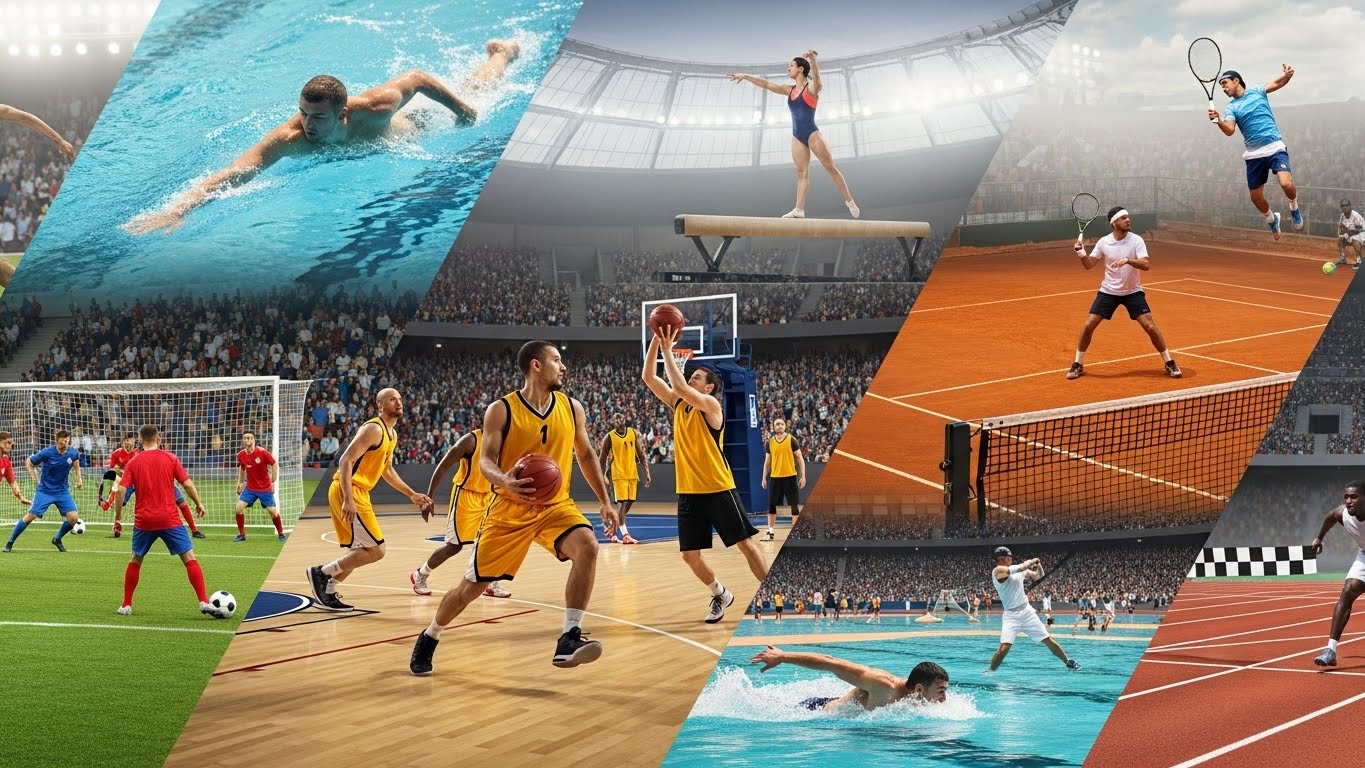
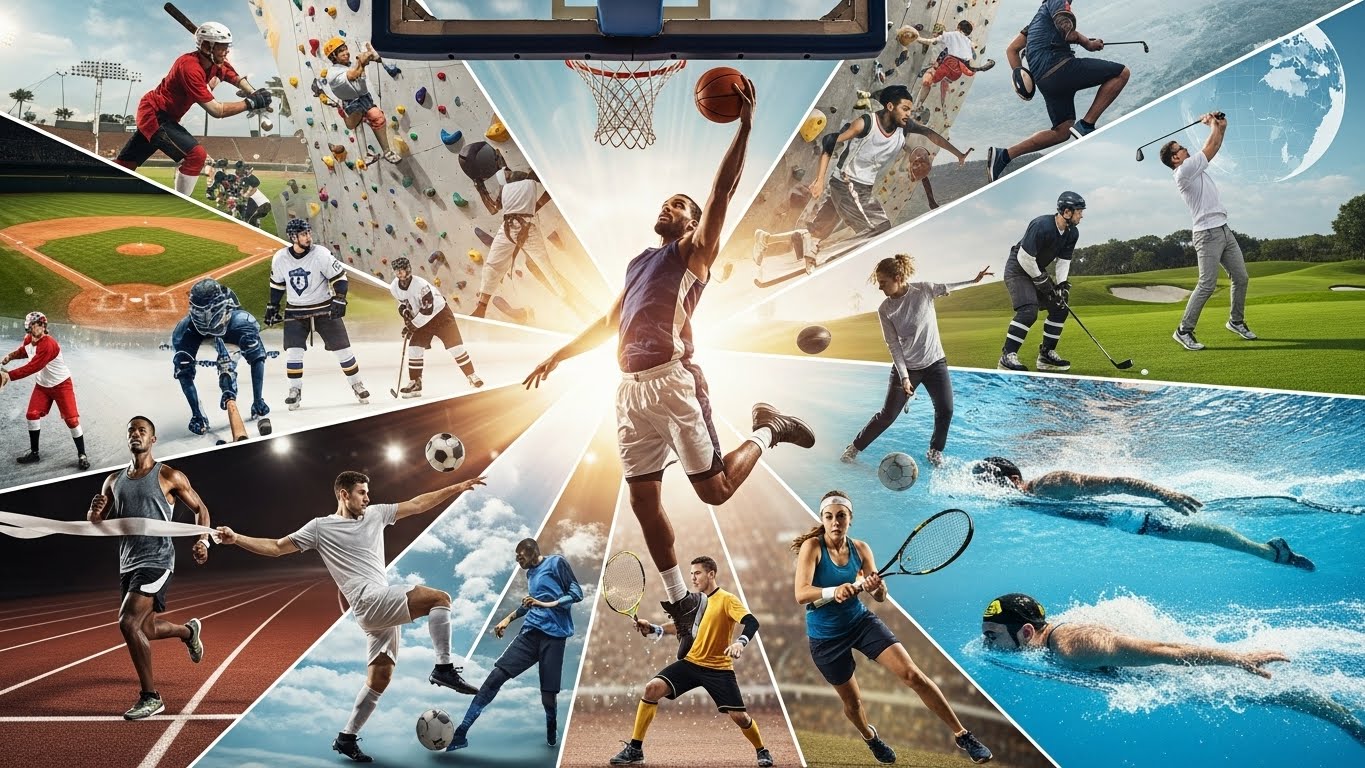
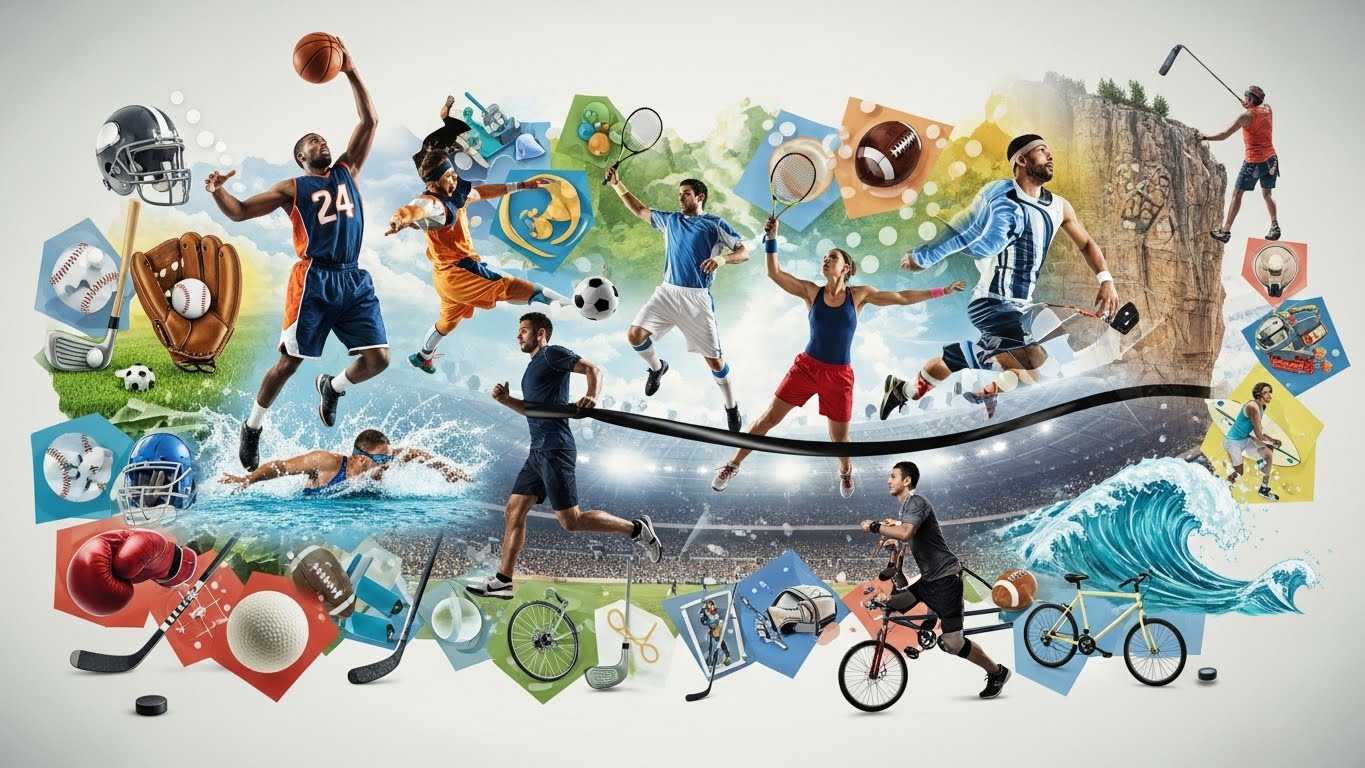
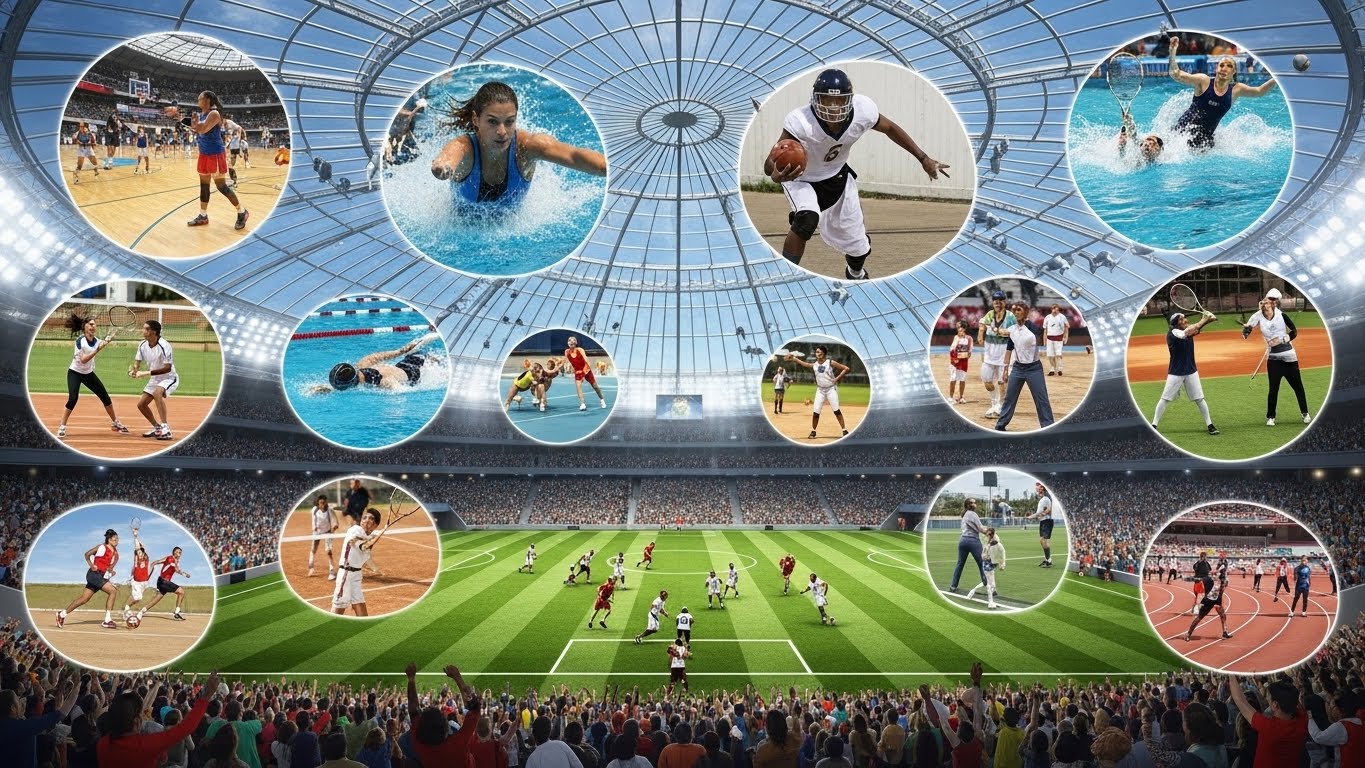
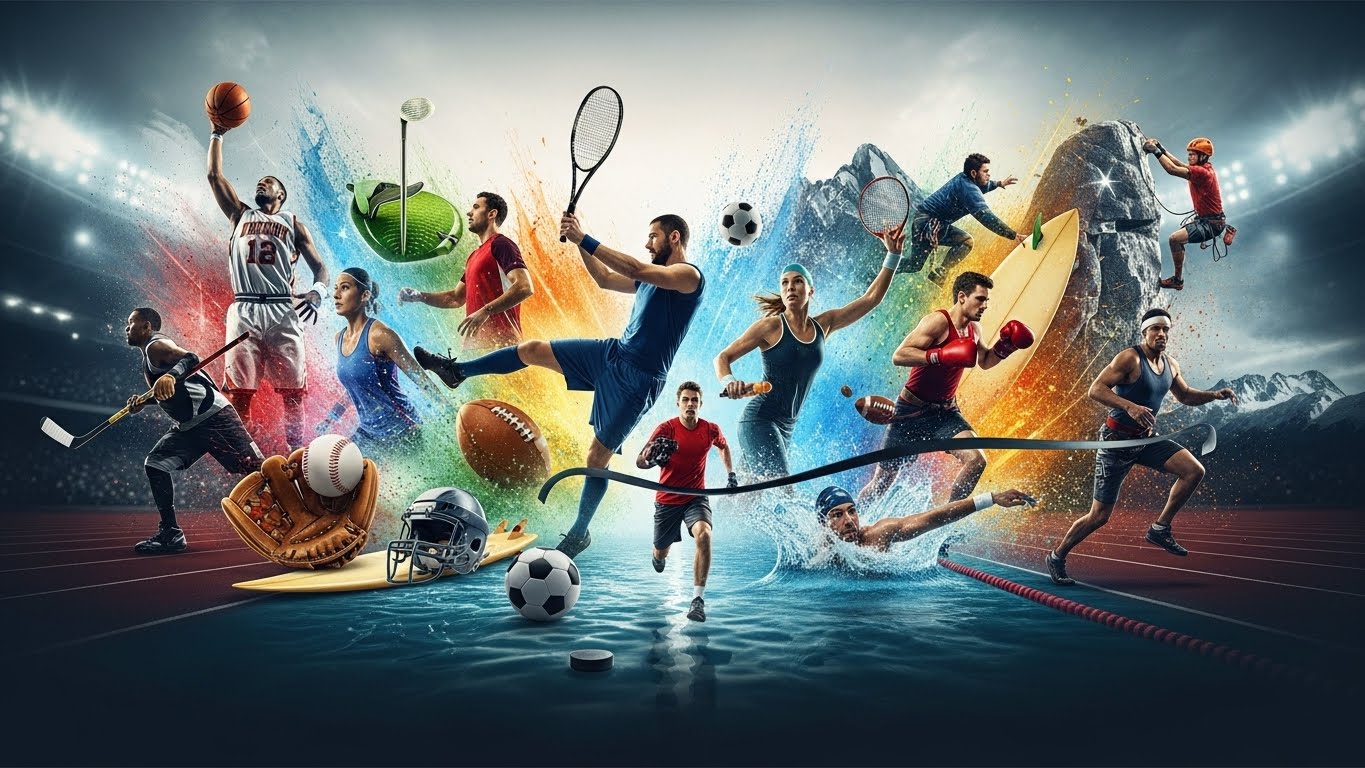
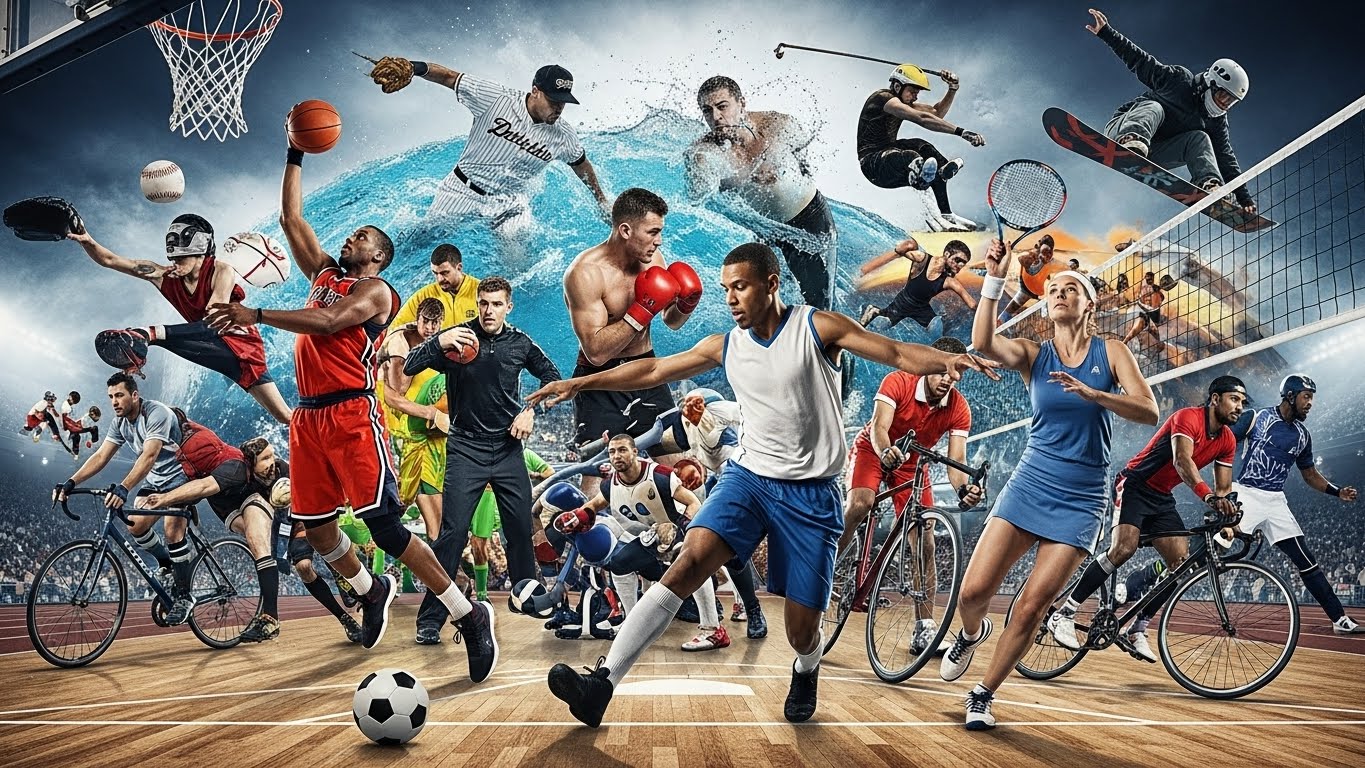
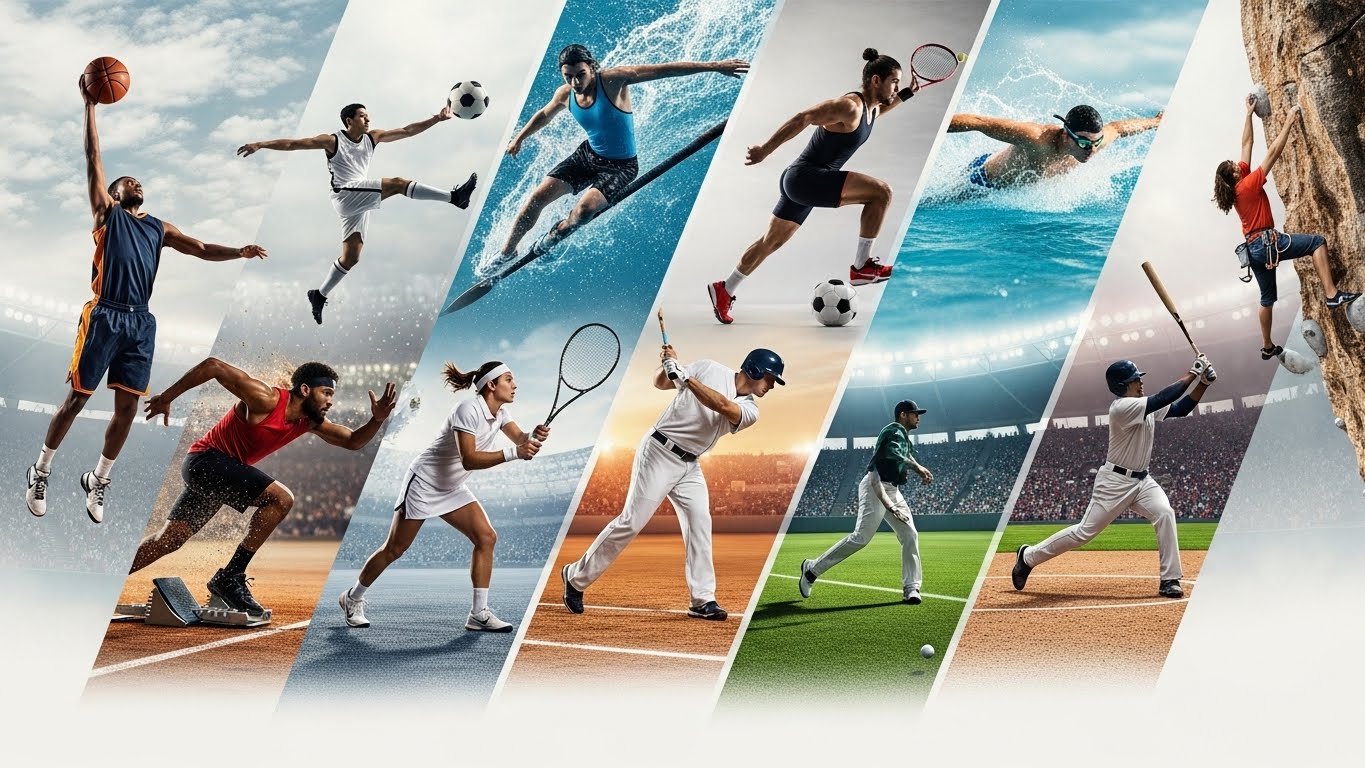
Sports have always been a powerful part of human society. From ancient civilizations competing in physical contests to modern stadiums filled with passionate fans, sports are deeply woven into our lives. While many people see sports only as entertainment or competition, their influence goes far beyond the final score. Sports teach discipline, inspire unity, shape culture, and reflect the values of society. They are not just games played on fields or courts; they are stories of struggle, resilience, teamwork, and hope that connect people across borders and generations.
The Origins and Evolution of Sports
The roots of sports can be traced back thousands of years. Early humans engaged in physical contests to demonstrate strength, hunting skills, and survival abilities. Over time, these activities evolved into organized competitions. Ancient Greece introduced the Olympic Games, celebrating physical excellence and fair play. In other parts of the world, traditional sports emerged, each reflecting local culture and history. As societies developed, sports became more structured, with rules, governing bodies, and professional athletes. Today, sports are a global phenomenon, watched and played by millions, constantly evolving with technology and changing lifestyles.
Sports as a School of Life
One of the greatest contributions of sports is the life lessons they teach. Athletes learn discipline through training, patience through setbacks, and humility through defeat. Winning teaches confidence, while losing teaches resilience. These lessons are not limited to professional athletes; they apply equally to children playing in schoolyards and adults participating in recreational leagues. Sports teach people how to set goals, manage pressure, and work consistently toward improvement. The values learned through sports often shape character and influence success in education, careers, and personal relationships.
The Power of Teamwork and Leadership
Team sports, in particular, highlight the importance of cooperation and leadership. Success in games like football, cricket, basketball, or hockey depends not on individual talent alone but on how well players work together. Athletes learn to trust their teammates, communicate effectively, and support one another during challenging moments. Leadership naturally emerges as players motivate others, make decisions under pressure, and set examples through their actions. These skills are highly transferable, helping individuals become better leaders and collaborators in everyday life.
Sports and Mental Strength
While physical ability is important, mental strength often separates good athletes from great ones. Sports demand focus, emotional control, and the ability to stay calm under intense pressure. Athletes face expectations from fans, coaches, and themselves, which can be mentally exhausting. Learning to handle stress, overcome fear, and maintain confidence is a crucial part of sports participation. In recent years, there has been growing awareness of mental health in sports, highlighting the importance of balance, support, and self-care alongside performance.
Cultural Identity and National Pride
Sports play a major role in shaping cultural identity and national pride. International competitions bring entire nations together, creating moments of collective joy and shared emotion. A single match can unite people across social, economic, and cultural differences. Traditional sports also help preserve cultural heritage, passing customs and values from one generation to the next. Fans express their identity through colors, chants, and rituals, turning sports into a powerful symbol of belonging and unity.
Sports as a Tool for Social Change
Throughout history, sports have been used as a platform for social change. Athletes have challenged discrimination, promoted equality, and raised awareness about important social issues. Sporting events have the power to bring attention to causes that might otherwise be ignored. By standing up for justice and fairness, athletes can influence public opinion and inspire positive change. Sports also promote inclusion by bringing together people of different backgrounds, abilities, and beliefs, fostering mutual respect and understanding.
The Role of Sports in Youth Development
For young people, sports can be a transformative experience. Participation in sports encourages physical fitness, reduces unhealthy habits, and builds confidence. Young athletes learn time management by balancing practice, school, and personal life. Sports also provide a sense of purpose and belonging, especially for those who may struggle academically or socially. Coaches often become mentors, guiding young players not only in skills but also in values such as respect, responsibility, and perseverance.
The Business and Media Influence on Sports
In the modern era, sports have become a major global industry. Media coverage, sponsorships, and broadcasting have transformed athletes into public figures and sports into entertainment spectacles. While commercialization has brought financial growth and global reach, it has also introduced challenges such as excessive pressure on athletes and shifting focus from passion to profit. Balancing tradition, fairness, and commercial interests remains one of the biggest challenges facing the sports world today.
Technology and the Future of Sports
Technology has significantly changed how sports are played, watched, and analyzed. Advanced training methods, performance tracking, and injury prevention tools have improved athlete safety and performance. Fans now experience sports through multiple platforms, enhancing engagement and accessibility. At the same time, technology raises questions about fairness, privacy, and the human element of the game. As innovation continues, the challenge will be to use technology in ways that enhance sports without losing their emotional and competitive essence.
The Emotional Connection Between Fans and Sports
Fans are the heartbeat of sports. Their passion, loyalty, and emotional investment turn games into unforgettable experiences. Supporting a team often becomes a lifelong commitment, filled with highs and lows. Sports create shared memories, whether it is celebrating a historic victory or enduring a heartbreaking loss. This emotional connection provides a sense of community and continuity, linking generations through stories, traditions, and shared experiences.
Conclusion: The Lasting Impact of Sports
Sports are far more than physical contests; they are reflections of human ambition, resilience, and unity. They teach valuable life lessons, shape character, and bring people together across boundaries. Whether played on a global stage or a local field, sports have the power to inspire, heal, and transform lives. As society continues to change, sports will remain a constant force, reminding us of the importance of effort, fairness, teamwork, and hope. Beyond the scoreboard, the true victory of sports lies in their ability to enrich the human spirit and connect us all.