

Introduction
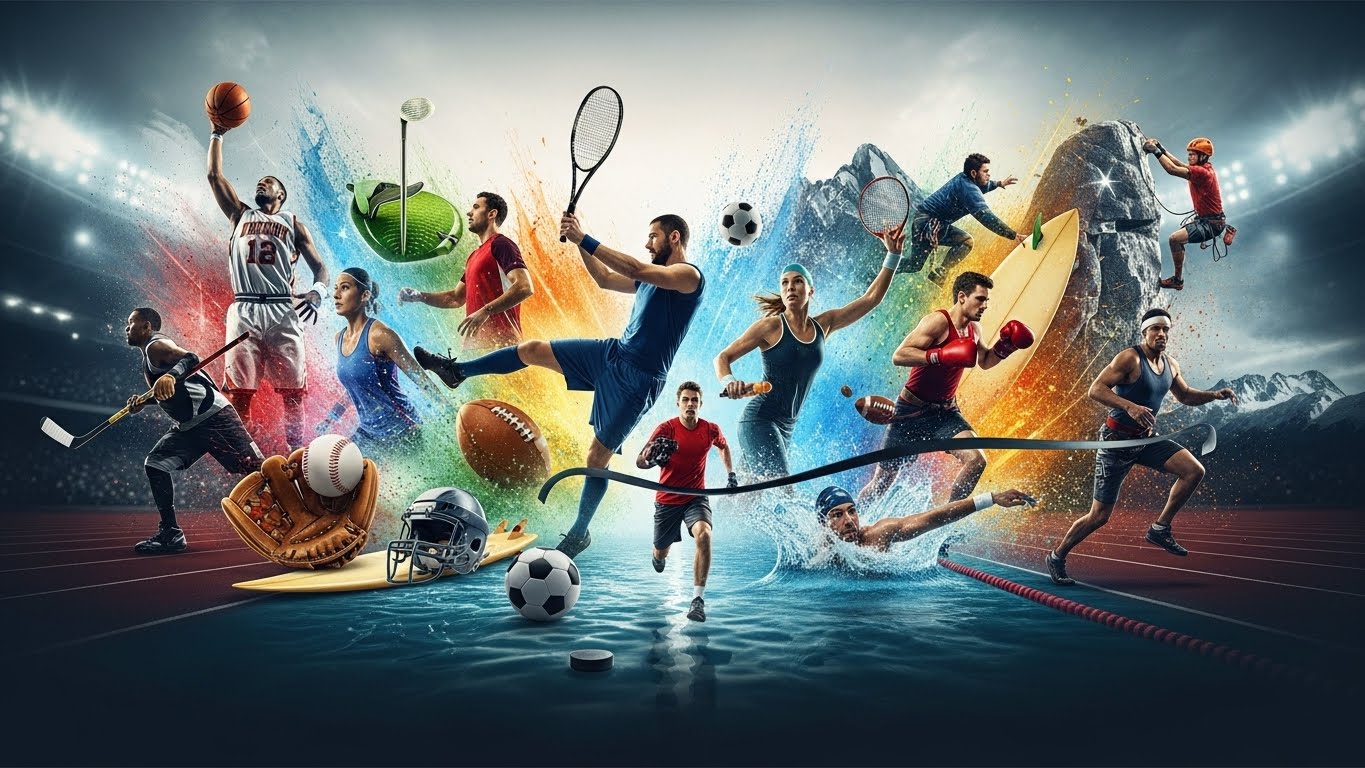
Sports are more than just games played on fields, courts, or tracks. They are a reflection of human passion, determination, and resilience. From the smallest neighborhood competitions to international tournaments watched by millions, sports touch every aspect of life. They inspire individuals, unite communities, and even influence culture on a global scale. In this blog, we will explore the profound impact of sports on physical and mental health, personal growth, society, culture, and the economy.
The Universal Appeal of Sports
Sports transcend geographical, cultural, and social boundaries. They provide a common language for people around the world, uniting individuals through shared enthusiasm. A football match in Brazil can inspire fans in Europe, while a marathon in New York can motivate runners in Asia. The thrill of competition, the celebration of victory, and the lessons of defeat are emotions universally understood.
This universal appeal makes sports a unique connector. It brings strangers together, encourages teamwork, and creates a sense of belonging. Whether through playing, coaching, or cheering as a fan, sports give people a way to participate in a shared human experience.
Physical Benefits of Sports
One of the most obvious benefits of sports is the improvement of physical health. Regular participation enhances cardiovascular health, strengthens muscles, improves flexibility, and boosts overall stamina. Different sports target different aspects of fitness. Swimming, for example, develops both endurance and muscle strength, while gymnastics focuses on balance, agility, and coordination.
Sports also prevent lifestyle-related health issues. Regular physical activity reduces the risk of obesity, diabetes, and heart disease. Unlike traditional exercise routines, sports make physical activity engaging and enjoyable, encouraging long-term commitment to health. Additionally, outdoor sports expose participants to sunlight, promoting vitamin D absorption and supporting overall well-being.
Mental Health and Resilience
Sports are not just a physical endeavor—they are a mental exercise. Competing and training require focus, discipline, and perseverance. Athletes learn to overcome challenges, handle pressure, and maintain concentration under stress. Losing a game teaches humility and resilience, while winning instills confidence and a sense of accomplishment.
Engaging in sports also reduces stress and improves emotional health. Physical activity triggers the release of endorphins, chemicals in the brain that boost mood and alleviate anxiety. Team sports, in particular, offer social support, reducing feelings of isolation and increasing emotional resilience. By fostering discipline, patience, and strategic thinking, sports help individuals develop skills that extend far beyond the field.
Sports as a Social Connector
Sports have the power to bring people together, creating bonds that last a lifetime. Teams build camaraderie through shared goals, training sessions, and competitions. Athletes learn to communicate effectively, support one another, and work collectively toward success. Coaches and mentors play a critical role in guiding young athletes, helping them navigate challenges both on and off the field.
Even for spectators, sports build social communities. Fans bond over shared passions, discussing game strategies, celebrating victories, and empathizing with losses. These social connections strengthen community ties and foster a sense of belonging, making sports a vital tool for social cohesion.
Youth Development Through Sports
For children and teenagers, sports are a foundation for growth and learning. Participation teaches responsibility, discipline, time management, and goal-setting. Young athletes learn how to handle victories gracefully and defeat constructively, which is essential for emotional development.
Sports also promote healthy lifestyles from an early age. They provide a productive outlet for energy, reduce sedentary behavior, and build lifelong fitness habits. Exposure to positive role models, whether coaches, teammates, or professional athletes, inspires ambition, self-confidence, and perseverance. For many, sports can also open doors to scholarships, higher education, and future careers.
Cultural Significance of Sports
Sports are deeply intertwined with culture and identity. They carry history, tradition, and social values. Cricket is a symbol of national pride in India, while football represents passion and unity in countries like Brazil and Argentina. Martial arts in Japan and Korea are not just physical disciplines but cultural heritage, reflecting centuries of tradition.
Major sporting events often serve as cultural celebrations, where nations come together to showcase talent and unity. Athletes become cultural ambassadors, embodying the spirit and pride of their communities. Sports also influence music, fashion, language, and social trends, further cementing their role in cultural expression.
Economic Impact of Sports
Sports contribute significantly to the economy. Professional leagues, tournaments, and events create millions of jobs globally, including athletes, coaches, referees, journalists, marketers, and event organizers. Sporting events stimulate local economies through tourism, hospitality, and commerce.
Infrastructure development, such as stadiums, training centers, and sports complexes, provides long-term benefits to communities. Additionally, sports drive innovation in technology, media, and entertainment. The economic influence of sports demonstrates that their impact extends far beyond the playing field.
The Emotional Power of Sports
Sports evoke intense emotions, from the thrill of victory to the heartbreak of defeat. These experiences teach empathy, patience, and resilience. Athletes and fans alike experience moments of triumph and disappointment, creating lasting memories and fostering emotional growth.
Victory brings pride, satisfaction, and motivation, while defeat encourages reflection, humility, and the drive to improve. The emotional rollercoaster of sports mirrors life itself, reinforcing lessons about persistence, adaptability, and the value of effort.
Sports and Personal Growth
Engaging in sports promotes holistic personal development. Athletes learn leadership, decision-making, problem-solving, and strategic thinking. Setting goals, training consistently, and overcoming challenges cultivate self-discipline and accountability.
Sports also enhance creativity and adaptability. Players constantly adjust strategies, anticipate opponents, and respond to dynamic situations. These skills are transferable, benefiting individuals in academics, careers, and personal life. Participation in sports equips individuals with confidence, resilience, and the ability to face challenges effectively.
Inclusivity and Accessibility in Sports
Modern sports are becoming increasingly inclusive. Efforts to promote women’s participation, adaptive sports for differently-abled individuals, and programs for underprivileged communities are making sports accessible to all.
Inclusivity strengthens competition and diversity while empowering participants. Sports demonstrate that talent, effort, and dedication matter more than background, gender, or physical ability. Inclusive sports foster equality, challenge stereotypes, and provide opportunities for growth, learning, and personal achievement.
The Future of Sports
The future of sports is shaped by technology, innovation, and global collaboration. Wearable devices, performance analytics, and virtual training enhance athletic performance and reduce the risk of injuries. Digital sports and esports are redefining competition, attracting younger audiences and expanding the reach of sports worldwide.
Despite technological advances, the essence of sports remains unchanged: passion, effort, teamwork, and human drive. The next generation of athletes will continue to inspire, unite, and transform lives, keeping sports relevant and impactful across cultures and societies.
Conclusion
Sports are more than physical contests; they are a celebration of human potential, creativity, and resilience. They strengthen the body, sharpen the mind, and cultivate emotional intelligence. Sports teach lessons about perseverance, teamwork, humility, and the value of effort.
Whether as an athlete, coach, fan, or supporter of community initiatives, engaging with sports enriches lives and strengthens communities. Sports inspire dreams, unite people across differences, and leave an enduring legacy of passion, dedication, and unity. They are not just games—they are a way of life, shaping individuals and societies for generations to come.