
Introduction
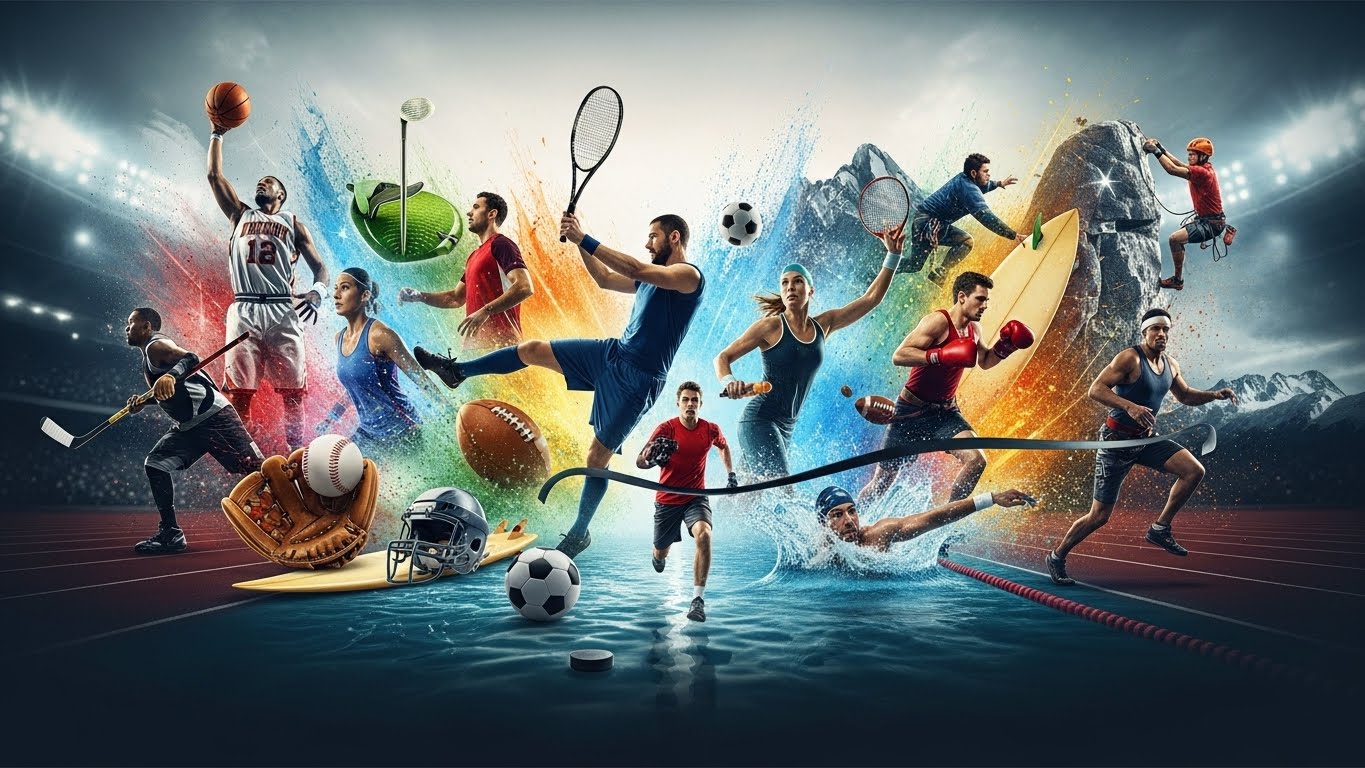
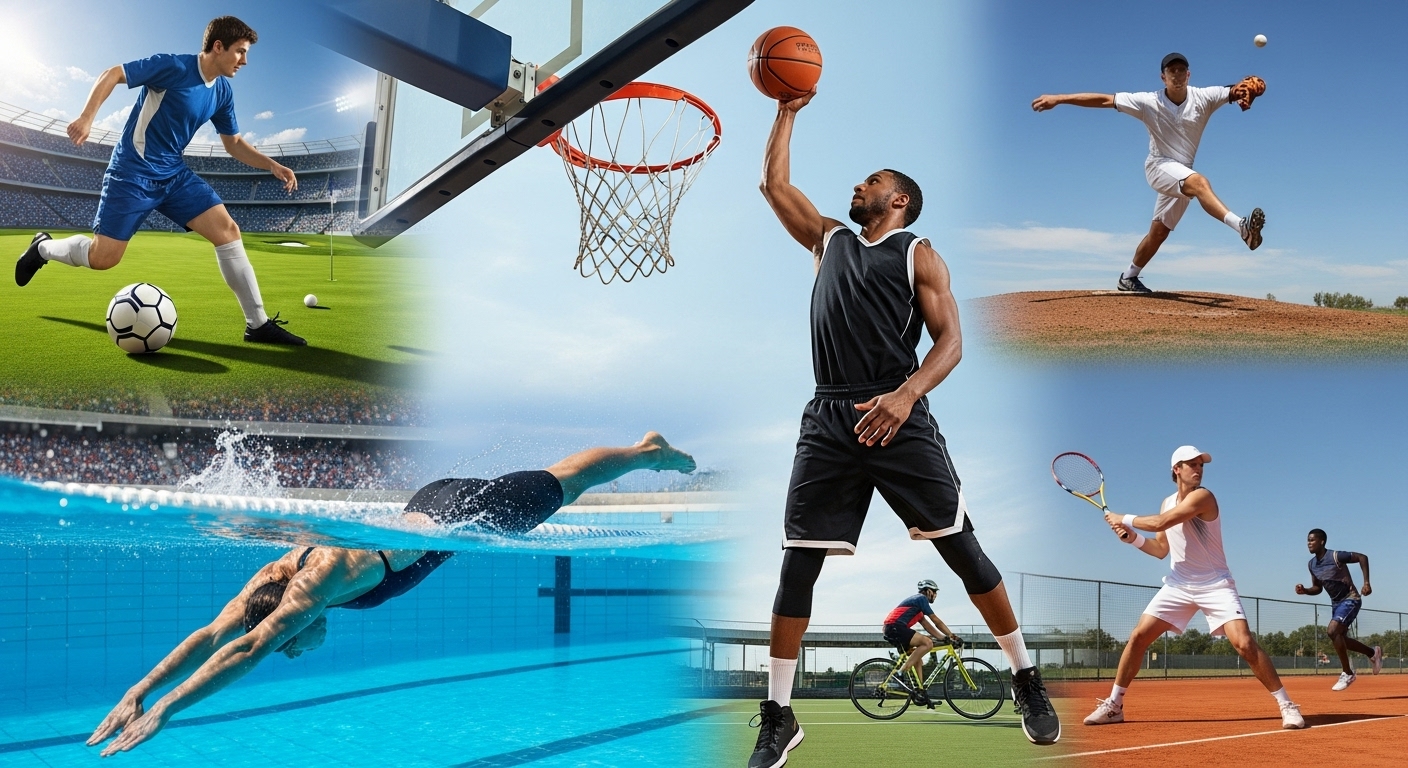
Sports have always been an integral part of human civilization. From ancient competitions held in stone arenas to the modern stadiums filled with roaring crowds, sports represent far more than physical activity. They are a celebration of human potential, teamwork, discipline, and emotional expression. Whether it’s a child kicking a ball in a small town or a nation watching its team play in the World Cup, sports have the power to inspire, unite, and transform lives.
The influence of sports stretches across physical, mental, cultural, and even economic dimensions. They teach lessons of resilience, fairness, leadership, and respect while also serving as a global language that transcends borders. This blog explores the essence of sports—their history, impact, science, and evolution—and why they continue to captivate billions around the world.
The Origins of Sports
Sports are as old as humanity itself. In ancient times, physical competition was closely tied to survival and ritual. Early humans ran, wrestled, and hunted not only for sustenance but also to prove strength and courage.
Ancient Civilizations and Early Games
The earliest records of organized sports date back thousands of years. In Ancient Egypt, wrestling, archery, and swimming were common. The Greeks introduced the Olympic Games in 776 BC, emphasizing athleticism and honor. These events were not only physical contests but also deeply cultural ceremonies that symbolized excellence and unity.
Meanwhile, the Mayans and Aztecs played ball games with religious significance, while the Chinese practiced martial arts and gymnastics. Across Africa, tribes celebrated physical skill through dances, throwing contests, and endurance trials. These ancient roots reveal that sports have always been intertwined with identity and community.
The Evolution of Modern Sports
As civilizations advanced, sports became more structured and widespread. The 19th and 20th centuries marked a turning point in how sports were organized, viewed, and celebrated.
The Birth of Organized Competitions
During the Industrial Revolution, modern sports such as football, cricket, tennis, and basketball emerged with formal rules and governing bodies. Britain played a major role in developing global sporting standards, exporting games to its colonies and beyond.
In the early 1900s, international competitions gained prominence. The revival of the modern Olympic Games in 1896 set the stage for a global celebration of athletic excellence. Soon after, world championships and leagues formed in multiple sports, attracting massive audiences and shaping national pride.
The Media Revolution
The 20th century also saw the rise of media coverage in sports. Radio broadcasts, then television, brought matches into homes worldwide. This exposure turned athletes into global icons and transformed sports into a major entertainment industry. Today, streaming platforms and social media have made sports more accessible than ever, allowing fans to engage in real time from anywhere in the world.
The Spirit of Competition
At the heart of every sport lies competition—the desire to push limits, to be faster, stronger, and better than before. But true competition goes beyond winning; it is about self-improvement and respect for opponents.
Motivation and Determination
Athletes dedicate years to training for moments that may last only seconds. Their determination reflects human perseverance. The drive to improve—to shave a fraction of a second off a sprint or perfect a shot—embodies the unending quest for mastery.
Sportsmanship and Respect
Good sportsmanship teaches humility in victory and grace in defeat. It promotes mutual respect, fair play, and integrity. Great athletes are remembered not only for their achievements but for the way they uphold the spirit of the game.
The Role of Sports in Society
Sports are more than competitions; they are cultural and social forces that shape communities and national identities.
Uniting Communities
Few things bring people together like sports. Whether it’s a local match or an international event like the World Cup, fans unite across differences to cheer for a shared cause. During major tournaments, cities come alive with color, energy, and hope. Sports have the rare power to dissolve social, political, and cultural barriers.
National Identity and Pride
Sports often serve as a reflection of national character. When a team wins on the world stage, it becomes a source of collective pride and unity. For many developing nations, success in sports is a symbol of progress and recognition.
Economic Impact
Sports also drive economies. From ticket sales and sponsorships to tourism and broadcasting rights, the sports industry generates billions each year. Major events like the Olympics and World Cup can boost local economies, create jobs, and attract global attention.
The Science Behind Athletic Performance
Modern sports are not just about physical ability—they are deeply connected to science and technology. Every aspect of training, recovery, and performance is guided by research and data.
Physiology and Training
Sports science studies how the body responds to exercise. Athletes use personalized training programs designed to improve strength, endurance, and flexibility. By understanding muscle function, energy systems, and cardiovascular responses, coaches can maximize performance while reducing injury risks.
Nutrition and Hydration
Nutrition is a cornerstone of athletic success. Balanced diets tailored to an athlete’s body type and sport ensure optimal energy levels. Carbohydrates fuel performance, proteins aid recovery, and hydration keeps the body functioning efficiently.
Sports Technology
Advancements in technology have revolutionized how athletes train. Wearable sensors track heart rate, speed, and workload, while motion analysis software studies biomechanics. Equipment such as aerodynamic suits, lightweight shoes, and improved protective gear help athletes perform at their best while staying safe.
The Psychological Side of Sports
Mental strength is as crucial as physical skill. The pressure of competition, public scrutiny, and personal expectations test an athlete’s emotional resilience.
The Role of Sports Psychology
Sports psychology helps athletes manage anxiety, focus under pressure, and stay motivated. Techniques such as visualization, goal setting, and mindfulness have become essential parts of training. Many top athletes work with psychologists to maintain confidence and mental balance.
Overcoming Pressure
Whether it’s shooting the final free throw or running the last lap of a marathon, mental composure often decides the outcome. Athletes learn to channel nerves into focus and treat stress as a source of energy rather than fear.
Team Dynamics and Leadership
Psychology also plays a key role in team sports. Understanding group behavior, communication, and motivation helps teams function cohesively. Strong leadership fosters unity and drives collective success.
Diversity and Inclusion in Sports
Sports mirror society’s progress and challenges regarding diversity, equality, and inclusion.
Breaking Barriers
Throughout history, sports have been a platform for breaking racial, gender, and social barriers. From Jackie Robinson in baseball to Serena Williams in tennis, trailblazers have used their achievements to challenge stereotypes and promote equality.
Women in Sports
Women’s participation in sports has grown tremendously, thanks to advocacy, policy changes, and cultural shifts. Female athletes today compete at the highest levels, inspire millions, and continue to push for equal opportunities and recognition.
Accessibility and Adaptive Sports
Paralympic competitions have shown the world that physical limitations do not define human potential. Adaptive sports use innovation and creativity to allow athletes with disabilities to compete at elite levels, proving that the spirit of competition is universal.
Youth Development Through Sports
For young people, sports offer lessons that extend far beyond the field.
Building Character
Participation in sports teaches teamwork, discipline, responsibility, and leadership. Young athletes learn how to handle victory with humility and defeat with resilience—qualities that benefit them in all areas of life.
Health Benefits
Physical activity promotes healthy growth, strengthens muscles and bones, and improves mental well-being. It also helps combat modern health issues such as obesity and stress.
Education and Scholarships
Sports open educational opportunities through scholarships and programs that support young athletes in balancing academics and athletics. This integration ensures that sports nurture both mind and body.
The Globalization of Sports
Sports have transcended borders, becoming a universal language that connects people across the world.
The Power of Global Events
The Olympics, FIFA World Cup, and other major tournaments bring together athletes from different cultures and backgrounds. These events symbolize peace, unity, and the shared joy of competition.
The Role of Media and Technology
Global broadcasting and digital platforms allow fans to follow their favorite teams instantly. Esports, virtual reality, and live streaming have expanded the definition of sports to new audiences, especially among younger generations.
Cultural Exchange
Through sports, people experience and appreciate different cultures. From national dances performed before games to traditional celebrations after victories, sports promote understanding and diversity.
The Role of Innovation in Modern Sports
Innovation has redefined how sports are played, viewed, and managed.
Data Analytics
Teams now rely on data analytics to evaluate player performance, predict outcomes, and design strategies. Data-driven insights help identify strengths, weaknesses, and potential injury risks.
Training and Recovery Tools
Cryotherapy chambers, altitude training, and rehabilitation devices accelerate recovery. Wearable technology allows coaches to monitor workload and fatigue in real time.
Broadcasting and Fan Engagement
High-definition cameras, drones, and virtual replays have enhanced fan experiences. Fans can now interact with teams and players directly through social media, creating a new level of connection.
Ethics and Fair Play
While sports inspire greatness, they also face challenges related to integrity and fairness.
Doping and Cheating
Performance-enhancing drugs and unethical practices tarnish the spirit of fair competition. Anti-doping organizations and strict testing aim to preserve the purity of sport.
Match-Fixing and Corruption
Corruption in sports management and match-fixing scandals damage public trust. Transparency, accountability, and ethical leadership are vital for maintaining credibility.
Respect and Equality
Fair play extends beyond rules—it’s about respect for opponents, officials, and fans. Ethical conduct ensures that sports remain a platform for positive expression and unity.
The Future of Sports
The future of sports will be shaped by innovation, globalization, and social change.
Sustainability
As awareness of environmental issues grows, sports organizations are adopting eco-friendly practices. Sustainable stadiums, reduced carbon footprints, and recycling initiatives are becoming standard in global events.
Esports and Digital Transformation
The rise of esports has expanded the definition of sports. Competitive gaming attracts millions of players and spectators, creating new career paths and industries. The line between physical and digital competition is blurring.
Health and Longevity
With advances in sports medicine and technology, athletes are competing longer than ever before. Personalized health monitoring and recovery science will continue to redefine athletic longevity.
Equality and Global Reach
The future will likely see greater inclusion, with more opportunities for women, youth, and underrepresented regions. Sports will continue to be a bridge for diplomacy and global understanding.
Conclusion
Sports are more than games—they are a universal expression of humanity. They unite people across boundaries, teach essential values, and push the limits of physical and mental capability. The science, psychology, and culture of sports show how deeply connected they are to every aspect of life.
From ancient arenas to modern stadiums, from grassroots communities to world championships, the essence of sports remains the same—the pursuit of excellence, the joy of competition, and the unbreakable spirit of those who play, watch, and believe. Sports remind us of what we can achieve when passion meets purpose, when competition fuels respect, and when victory is not only measured by scores but by the courage to participate and give one’s best.
The world of sports will continue to evolve, but its heart will always beat with the same rhythm—the rhythm of human potential, unity, and the everlasting love for the game.