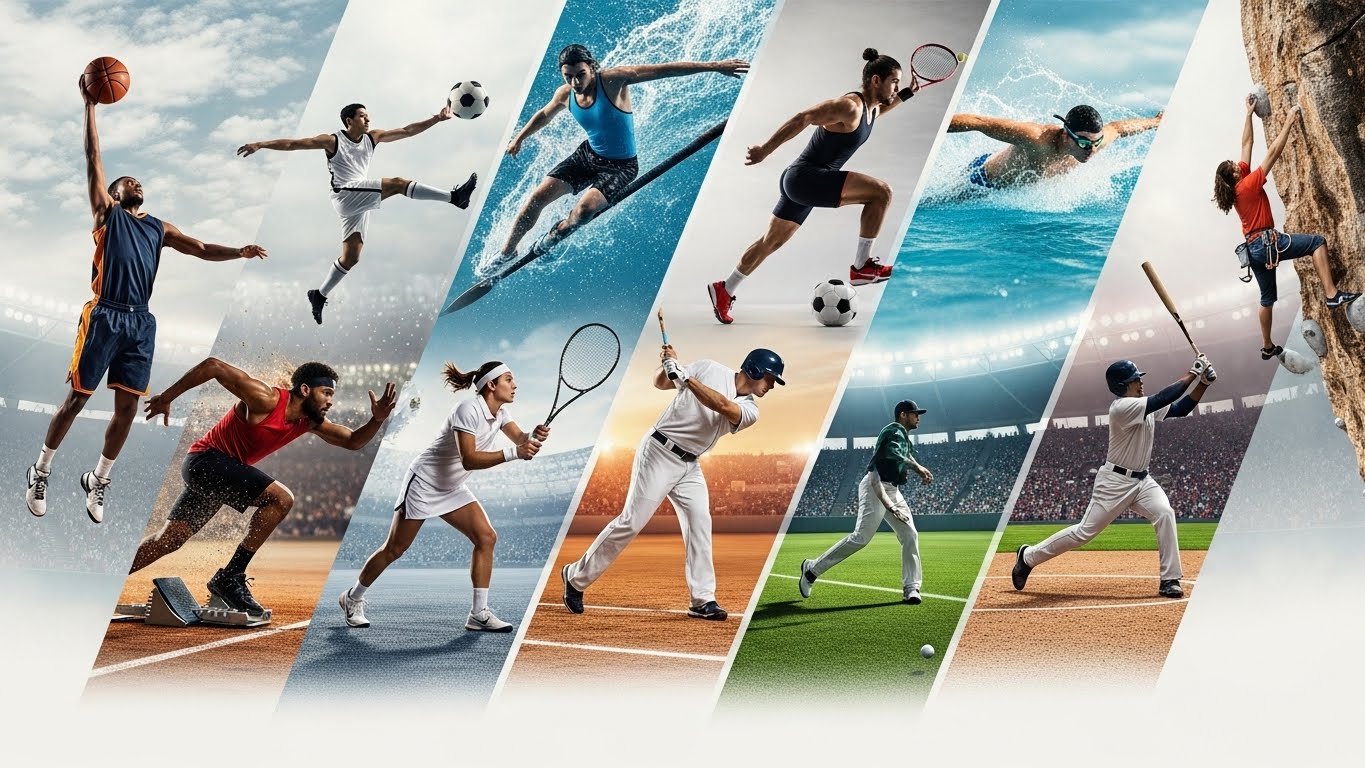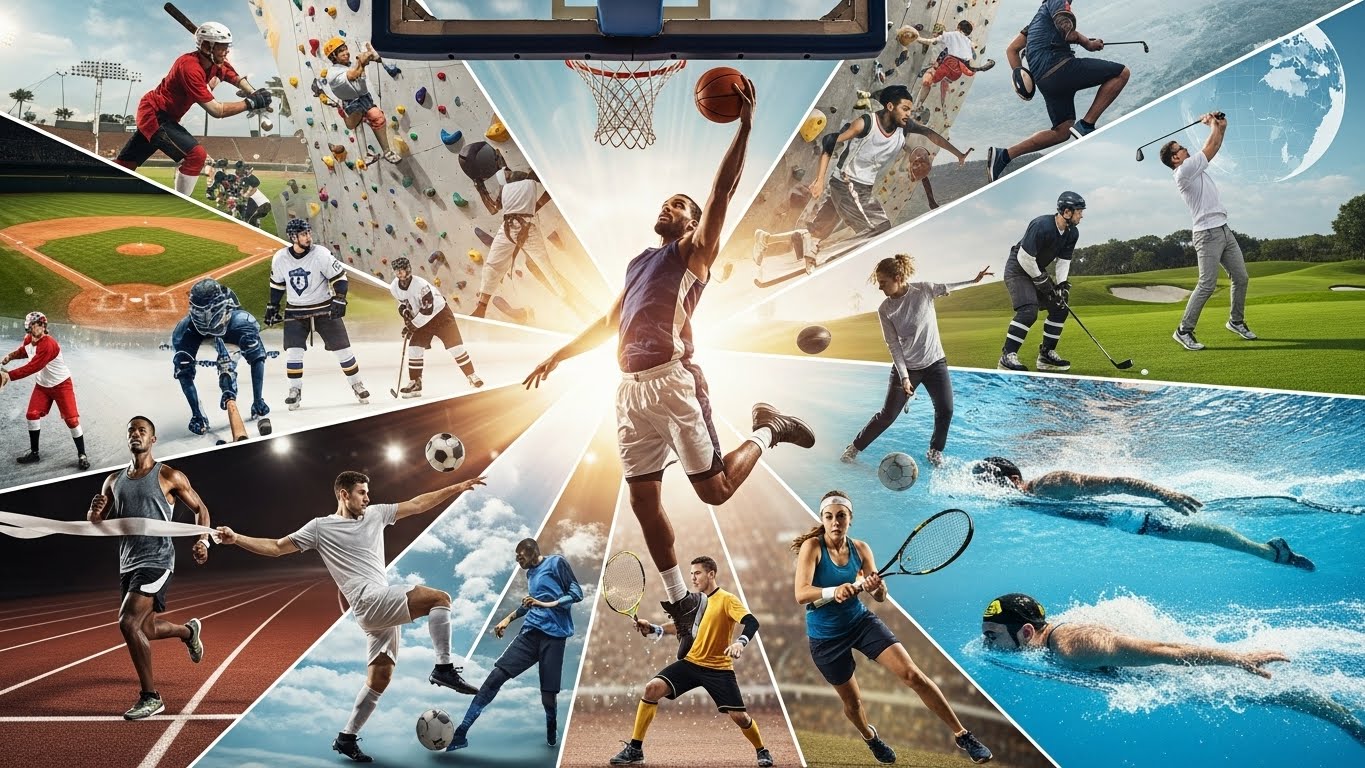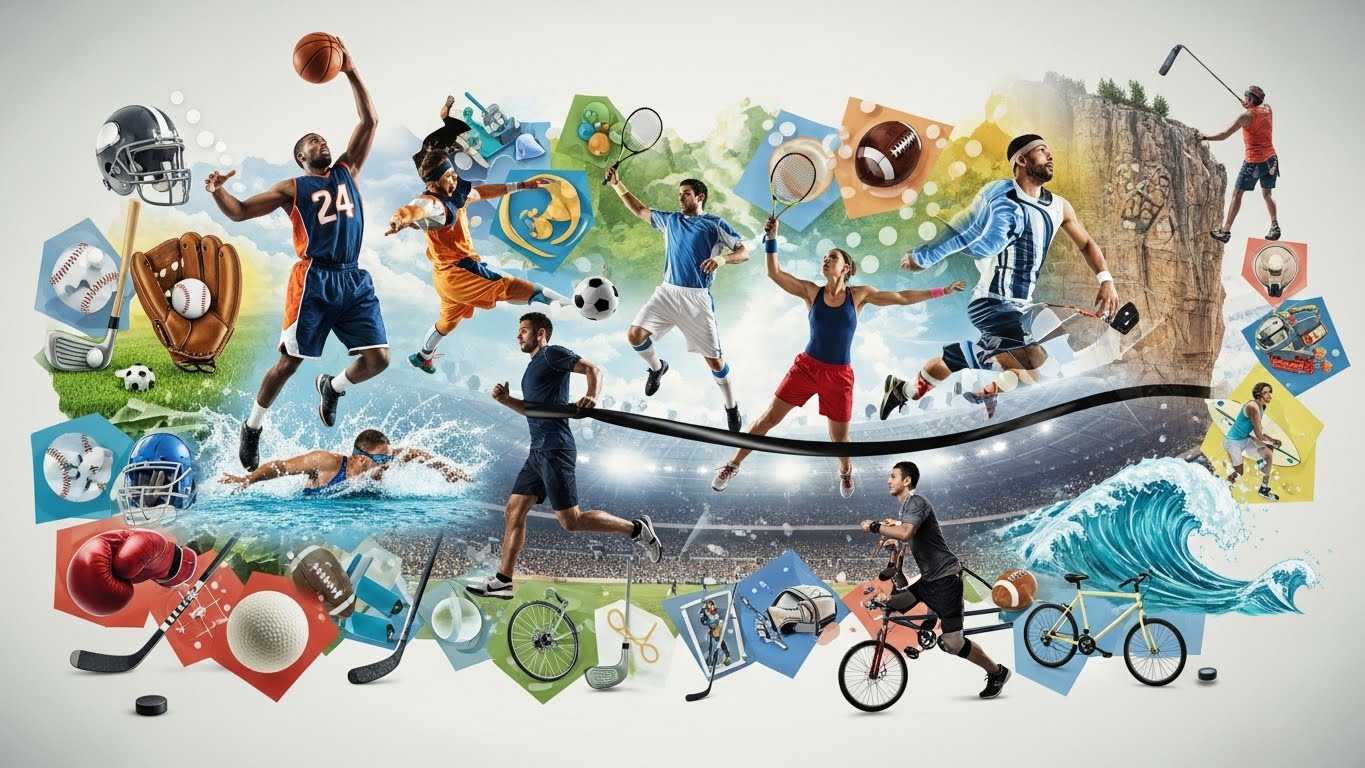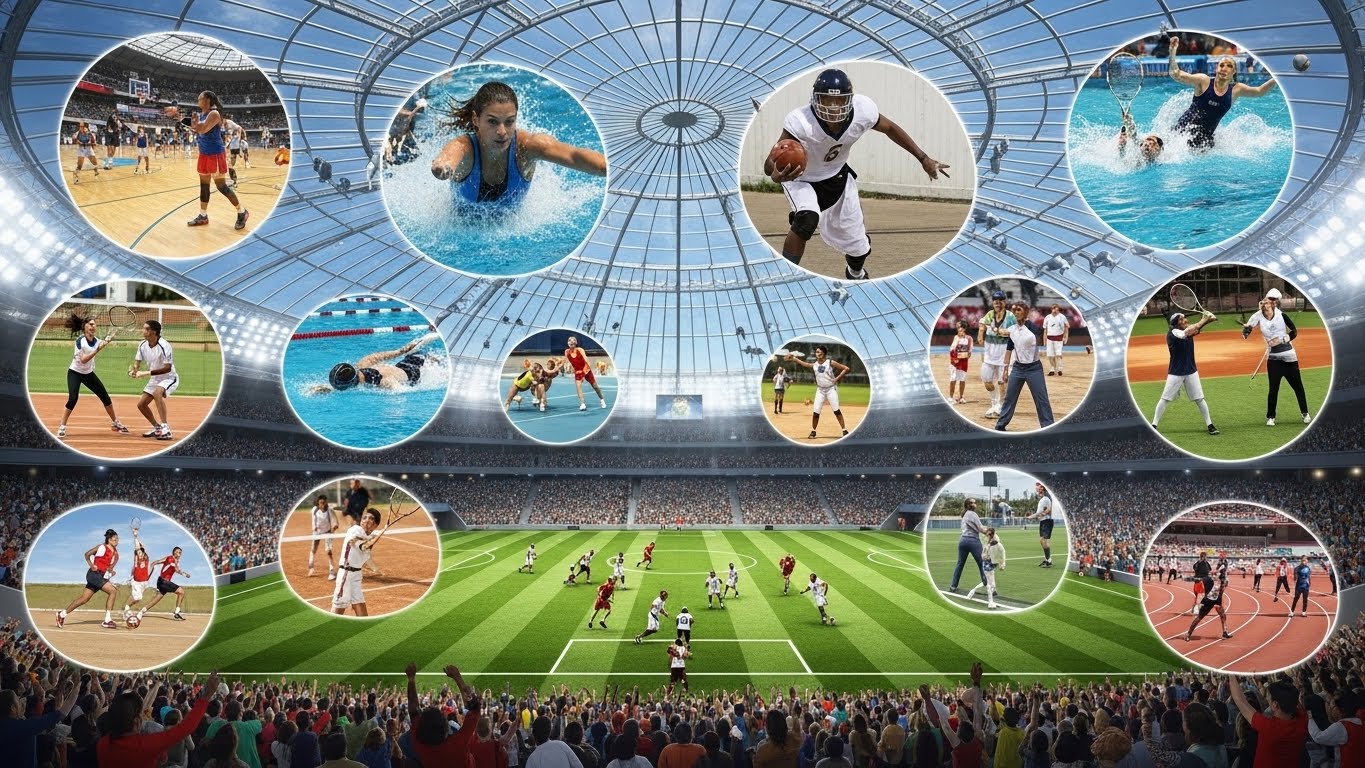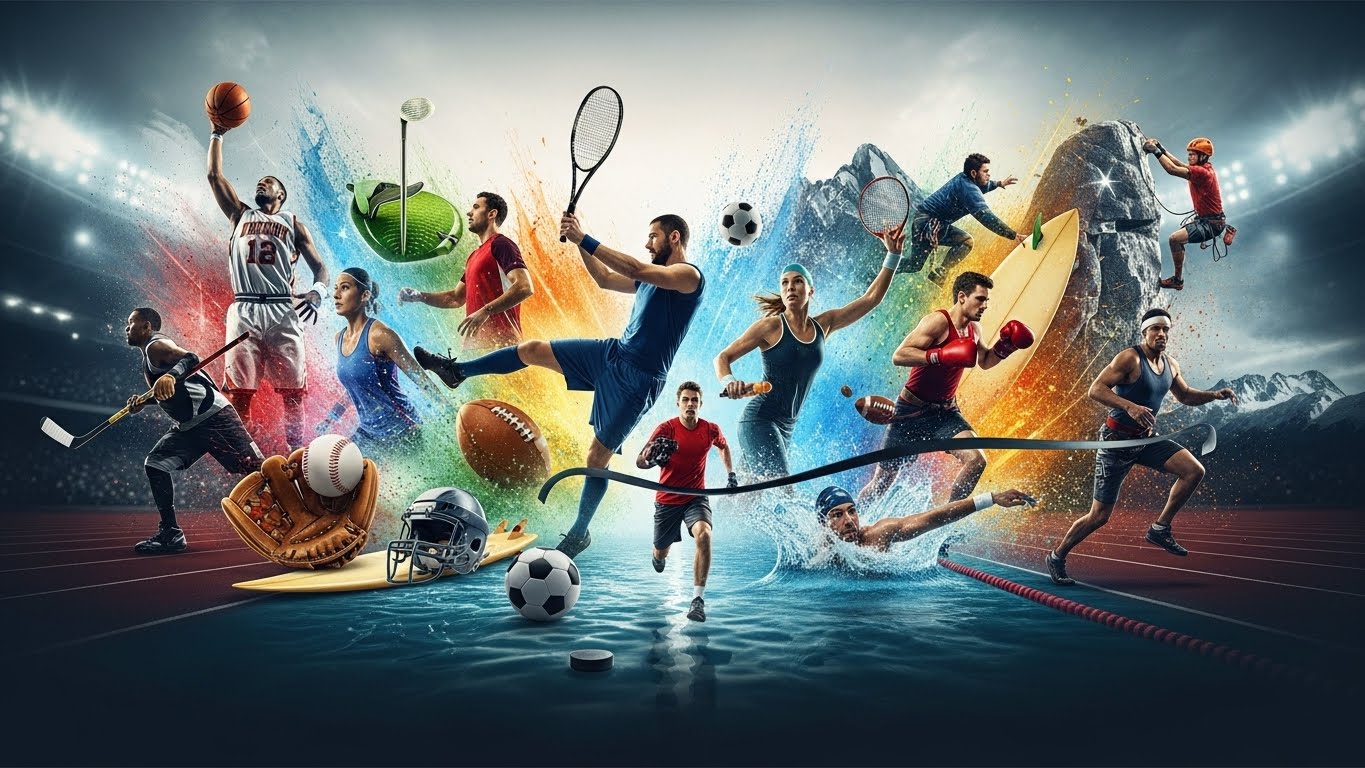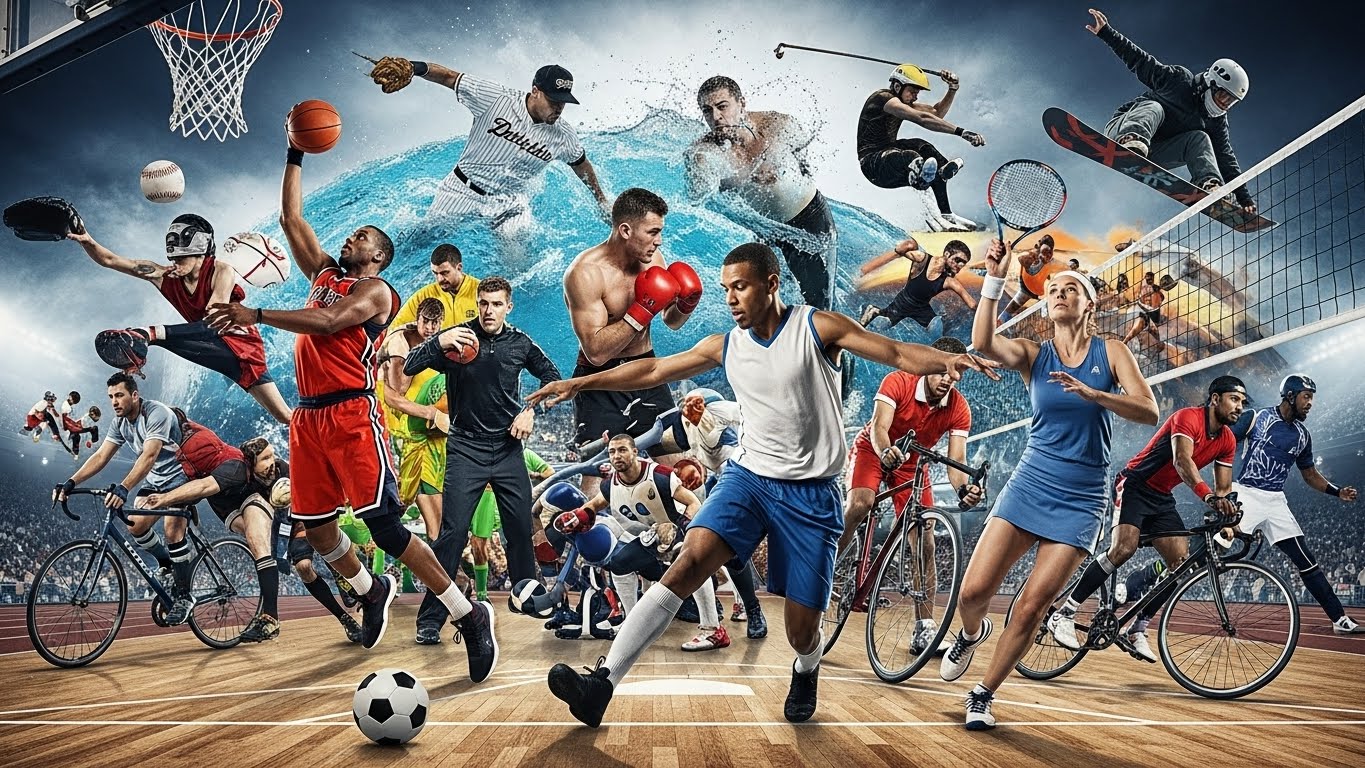

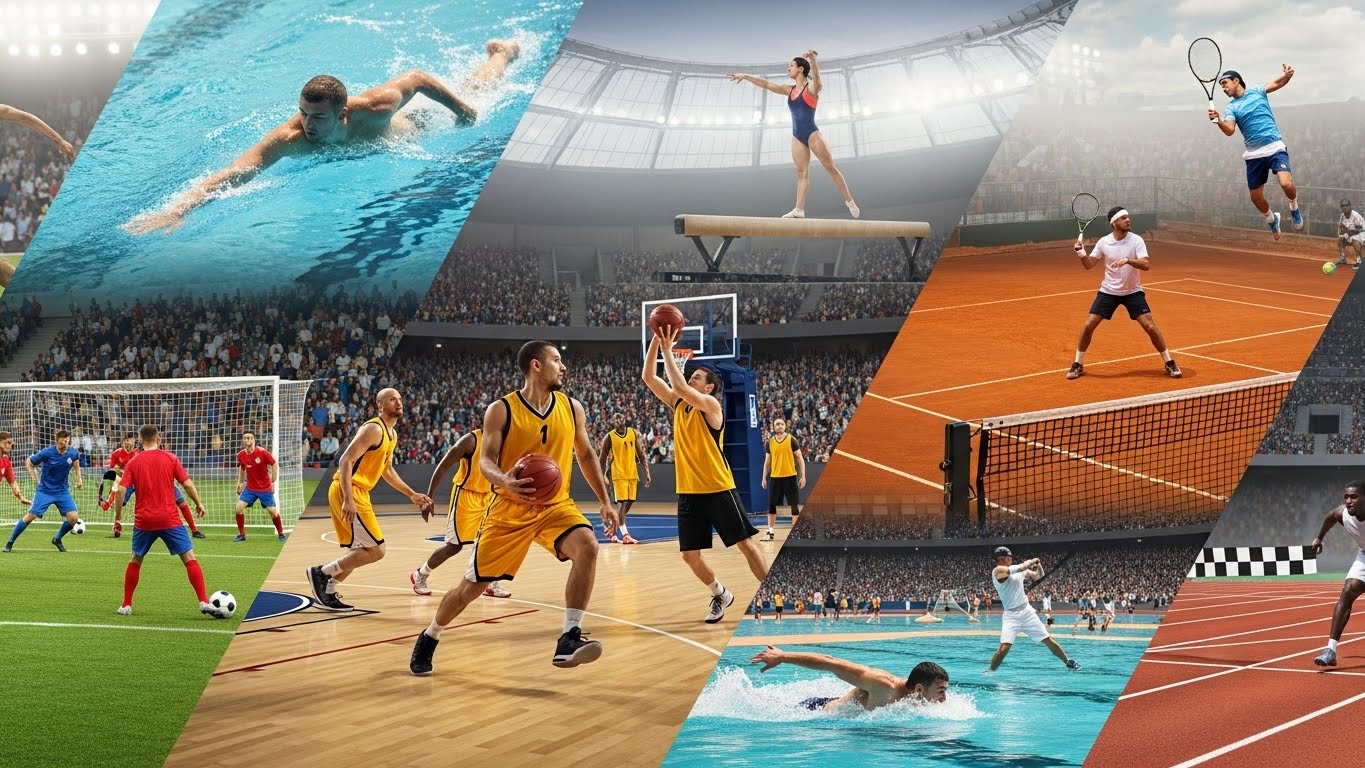
Sports have long been an integral part of human culture, serving as a source of entertainment, personal development, and social cohesion. From ancient competitions in Greece to modern global events like the Olympics and the FIFA World Cup, sports have transcended physical activity to become a vital part of societal identity. The impact of sports extends beyond the playing field, influencing mental and physical health, shaping communities, and even driving economic growth. This blog explores the multifaceted world of sports, examining its history, social significance, economic influence, and the psychological benefits it provides.
The Historical Roots of Sports
The history of sports is deeply intertwined with the evolution of human civilization. Ancient societies used physical competitions as a way to train warriors, celebrate cultural traditions, and foster community spirit. The Olympic Games in ancient Greece, which began in 776 BCE, were more than just athletic contests; they were religious and cultural festivals that brought together city-states in peaceful competition. Similarly, ancient civilizations in Egypt, China, and Mesopotamia developed games and contests that reflected their cultural values and societal norms.
Over time, sports evolved from local or regional competitions into organized activities with standardized rules. The codification of games like football, cricket, and tennis in the 19th century marked the beginning of modern sports. These structured competitions allowed for the development of leagues, clubs, and professional athletes, laying the foundation for the global sports industry we recognize today.
The Social and Cultural Impact of Sports
Sports play a critical role in shaping societies and cultural identities. They bring people together, fostering a sense of belonging and shared purpose. Major sporting events often transcend political and social boundaries, uniting people from different backgrounds in support of a common cause. Whether cheering for a hometown team or celebrating a nation’s victory in an international competition, sports create collective experiences that strengthen community bonds.
Additionally, sports often reflect broader cultural values and societal norms. Teamwork, discipline, perseverance, and fair play are principles promoted through athletic participation. Sports heroes and role models inspire younger generations, encouraging them to pursue goals with dedication and integrity. In many cultures, sports also serve as a platform for social change, advocating for equality, inclusion, and justice through high-profile athletes and public campaigns.
Economic Significance of Sports
The economic impact of sports is immense, spanning multiple industries and creating countless opportunities. Professional leagues, tournaments, and events generate billions of dollars annually through ticket sales, sponsorships, broadcasting rights, and merchandise. Cities hosting major events, such as the Olympics or World Cup, experience significant economic boosts through tourism, infrastructure development, and job creation.
Beyond direct financial contributions, sports drive industries related to media, fashion, nutrition, fitness equipment, and sports medicine. Professional athletes contribute to brand endorsements, influencing consumer behavior and marketing strategies. The economic ecosystem surrounding sports demonstrates how a recreational activity can evolve into a complex global industry with far-reaching implications.
Sports and Physical Health
Engaging in sports has profound benefits for physical health. Regular athletic activity improves cardiovascular health, strengthens muscles, enhances flexibility, and helps maintain a healthy weight. Sports also contribute to bone density, coordination, and overall physical endurance. The structured nature of sports ensures that participants develop a balanced approach to fitness, combining aerobic and anaerobic exercises in ways that recreational workouts may not replicate.
Participation in sports from a young age promotes lifelong health habits. Children and adolescents involved in sports are more likely to maintain physical activity into adulthood, reducing the risk of chronic diseases such as obesity, diabetes, and heart disease. Public health initiatives increasingly emphasize sports as a preventive measure for maintaining population health and promoting wellness.
Psychological and Emotional Benefits of Sports
Beyond physical advantages, sports have a profound impact on mental health and emotional well-being. Participating in sports can reduce stress, anxiety, and depression by providing a structured outlet for physical exertion and mental focus. The social interactions inherent in team sports foster a sense of belonging and reduce feelings of isolation.
Sports also enhance cognitive abilities, including strategic thinking, problem-solving, and decision-making. Athletes learn to set goals, manage pressure, and maintain focus under challenging conditions. The discipline and resilience developed through sports often translate to other areas of life, such as academics, careers, and personal relationships.
Inclusivity and Diversity in Sports
Modern sports increasingly emphasize inclusivity and diversity. Initiatives to promote gender equality, accessibility for people with disabilities, and participation from marginalized communities have reshaped the landscape of athletic competition. Women’s sports leagues, para-sports, and community outreach programs provide opportunities for a broader range of individuals to experience the benefits of sports.
Inclusive sports programs not only create equal opportunities but also foster mutual understanding and cultural appreciation. Athletes from diverse backgrounds inspire audiences worldwide, demonstrating that talent, determination, and perseverance transcend social and cultural barriers. This inclusivity strengthens the social impact of sports and highlights its role in promoting equity and unity.
The Role of Technology in Sports
Technology has transformed the way sports are played, watched, and analyzed. High-definition broadcasts, instant replays, and advanced statistics have enhanced the spectator experience, making it more immersive and informative. Wearable technology and data analytics help athletes optimize performance, monitor health, and prevent injuries.
Emerging technologies, such as virtual reality and augmented reality, are creating new ways for fans to engage with sports. From interactive training simulations to immersive viewing experiences, technology is bridging the gap between athletes and audiences, making sports more accessible and engaging than ever before.
Sports and Education
Sports play a crucial role in education, both formally and informally. Schools and universities incorporate sports programs to promote physical activity, teamwork, and personal development. Participation in school sports enhances academic performance by fostering discipline, time management, and goal-setting skills.
Scholarships and collegiate athletics provide pathways for students to pursue higher education while developing their athletic abilities. These programs also cultivate leadership skills, resilience, and a strong work ethic, preparing students for success both on and off the field. Educational institutions recognize that sports are not merely extracurricular activities but integral components of holistic development.
Challenges and Controversies in Sports
Despite its numerous benefits, the world of sports faces challenges and controversies. Doping, corruption, and unethical practices undermine the integrity of competition. Scandals involving match-fixing, illegal betting, and governance issues have occasionally tarnished the reputation of sports organizations.
Additionally, professional athletes face immense pressure to perform, which can lead to burnout, mental health struggles, and career instability. Gender disparities, lack of funding for certain sports, and accessibility barriers remain ongoing concerns. Addressing these challenges requires robust governance, ethical standards, and a commitment to the well-being of athletes at all levels.
Sports as a Catalyst for Social Change
Sports have a unique ability to influence society beyond the realm of competition. Athletes often use their platforms to advocate for social justice, environmental awareness, and humanitarian causes. From promoting gender equality to supporting charitable initiatives, sports figures have the power to inspire meaningful change.
Community sports programs also play a critical role in social development. They provide safe spaces for youth, teach essential life skills, and encourage civic engagement. By fostering teamwork, discipline, and empathy, sports help build stronger, more resilient communities.
The Future of Sports
The future of sports is poised for continued growth and innovation. Globalization, technological advancements, and shifting cultural attitudes are shaping new opportunities for athletes, fans, and organizations. Esports, virtual competitions, and hybrid sporting events are expanding the definition of what sports can be.
Sustainability will also become a central focus, with environmentally conscious practices influencing the construction of stadiums, management of events, and promotion of eco-friendly initiatives. The integration of technology, inclusivity, and social responsibility will define the next era of sports, ensuring it remains a vital and evolving part of human culture.
Conclusion
Sports are far more than games; they are a powerful force that shapes society, culture, and individual lives. From ancient athletic traditions to modern professional leagues, sports have consistently promoted physical health, mental well-being, social cohesion, and economic growth. They inspire communities, empower individuals, and serve as platforms for social change. While challenges exist, the transformative potential of sports remains undeniable. As society continues to evolve, sports will remain a universal language that connects people, transcends boundaries, and celebrates the enduring human spirit.