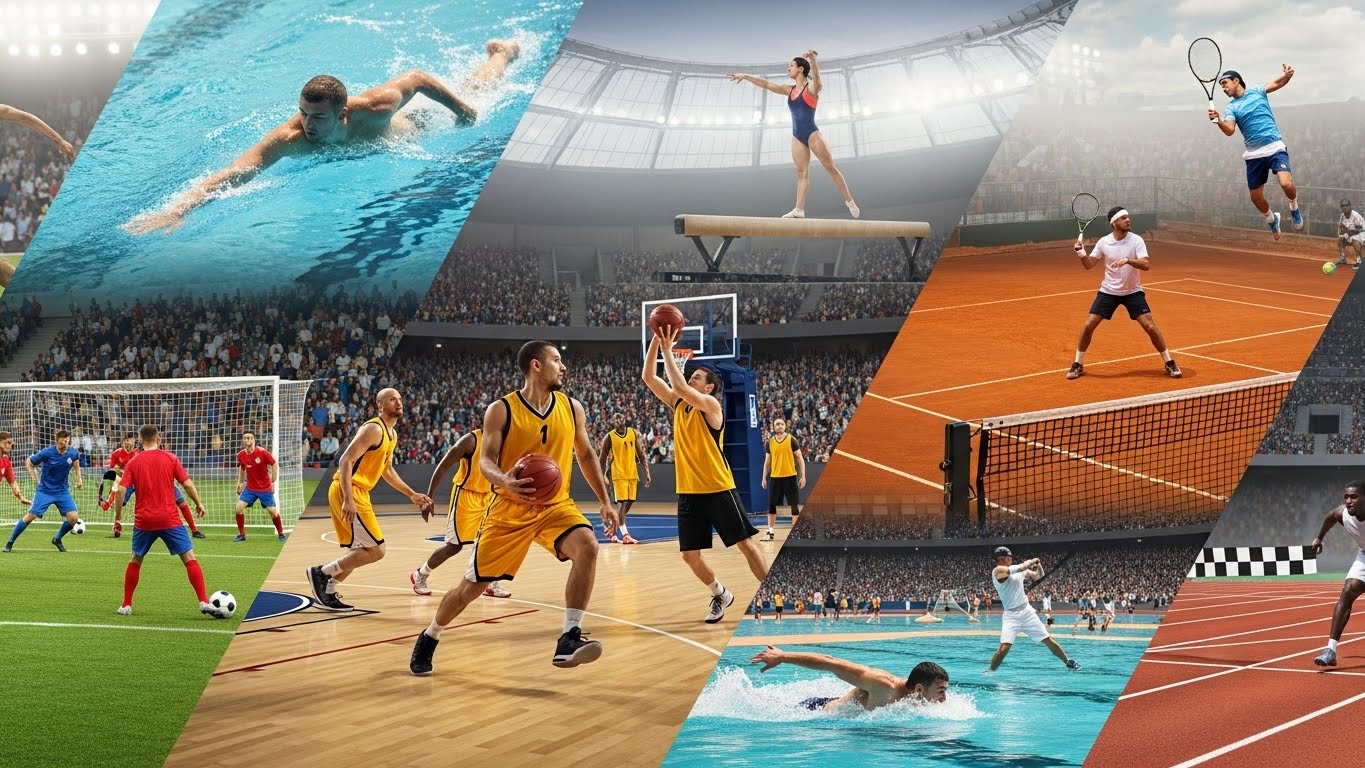


Sports are more than just games played on a field or court. They are a reflection of human spirit, determination, and the desire to push boundaries. From the adrenaline rush of scoring the winning goal to the quiet discipline of individual training, sports shape lives in ways that transcend physical activity. This article explores the multifaceted world of sports, examining their physical, mental, social, and cultural impacts, while highlighting why they remain an integral part of human life.
The Physical Benefits of Sports
Engaging in sports has a profound impact on physical health. Regular participation in activities such as running, swimming, basketball, or soccer strengthens the cardiovascular system, improves muscle tone, and enhances flexibility. Sports also play a crucial role in weight management and prevention of lifestyle-related diseases like diabetes, hypertension, and obesity.
Beyond basic fitness, sports develop coordination, balance, and agility. For instance, tennis requires sharp reflexes and precise hand-eye coordination, while gymnastics challenges both strength and flexibility. Even casual engagement in sports like jogging or cycling contributes significantly to long-term physical health.
Furthermore, sports instill habits of consistency and discipline. Athletes adhere to strict training schedules, proper nutrition, and recovery routines. These practices often spill over into other areas of life, fostering healthier lifestyle choices beyond the sporting arena.
Mental Health and Emotional Well-Being
While physical benefits are the most visible, the mental and emotional advantages of sports are equally compelling. Sports act as a natural stress reliever, helping participants manage anxiety and depression. Physical activity triggers the release of endorphins, commonly known as “feel-good” hormones, which improve mood and promote a sense of well-being.
Participation in sports also boosts self-esteem and confidence. Achieving personal milestones, whether it’s beating a personal best time or mastering a new skill, nurtures a sense of accomplishment. Moreover, dealing with losses and setbacks on the field teaches resilience, patience, and perseverance—qualities essential for personal growth in all aspects of life.
Sports encourage mental focus and cognitive development as well. Strategic games like chess, cricket, or basketball require quick decision-making, problem-solving, and anticipation of opponents’ moves. These mental exercises strengthen critical thinking and improve overall brain function.
Social Benefits: Building Connections Through Sports
One of the most remarkable aspects of sports is their ability to unite people. Team sports, in particular, cultivate collaboration, communication, and empathy. Players learn to trust their teammates, respect different roles, and work collectively toward a common goal. These social skills extend beyond the field, positively influencing professional and personal relationships.
Sports also provide a platform for community engagement. Local tournaments, school leagues, and neighborhood games bring people together, fostering a sense of belonging. Shared passion for a sport can bridge cultural, linguistic, and socioeconomic divides, proving that common interests often transcend differences.
Moreover, sports teach important values such as fairness, respect, and integrity. Observing rules, accepting referees’ decisions, and competing ethically help participants develop a moral compass. In this way, sports contribute to character building, shaping responsible and socially conscious individuals.
Cultural Significance of Sports
Sports are deeply embedded in cultures worldwide. They are not merely leisure activities but reflect historical, societal, and even political narratives. Take, for example, the Olympic Games, which celebrate not just athletic excellence but also international unity and cultural exchange. Similarly, cricket in India or soccer in Brazil carries immense cultural significance, influencing national identity and social cohesion.
Traditional sports, often passed down through generations, preserve cultural heritage. From sumo wrestling in Japan to kabaddi in India, these games are living representations of history, rituals, and societal values. By participating in or observing these sports, communities maintain a tangible connection to their past.
Additionally, sports influence popular culture, fashion, and entertainment. Athletes become role models, inspiring millions through their dedication and achievements. Iconic moments in sports often transcend the playing field, becoming symbols of determination, hope, and perseverance in the collective consciousness.
Youth and Sports: Nurturing the Next Generation
For children and adolescents, sports offer a unique platform for growth. Participation in sports from a young age improves motor skills, teaches teamwork, and instills discipline. More importantly, sports provide a constructive outlet for energy and creativity, helping young people develop focus and determination.
Schools and colleges that integrate sports into their curriculum observe significant benefits in student performance and behavior. Active children are not only healthier but often demonstrate better concentration, memory, and problem-solving skills. Moreover, exposure to competitive and cooperative play helps young individuals understand accountability, leadership, and conflict resolution.
Sports also open doors to opportunities, including scholarships, professional careers, and international exposure. For many, athletic excellence provides a pathway to success that might otherwise be inaccessible, highlighting the transformative potential of sports in shaping future lives.
Sports and Gender Equality
Historically, sports were often male-dominated spaces. However, the growing participation of women in sports has challenged stereotypes and promoted gender equality. Female athletes around the world are breaking records, winning championships, and advocating for equal recognition and compensation.
In addition to creating role models for younger generations, women’s sports contribute to social change. They challenge societal norms, empower women to pursue ambitions, and highlight the importance of inclusivity in all spheres of life. By celebrating female athleticism, society moves toward a more equitable and progressive future.
Technology and Innovation in Sports
Modern sports are not immune to the influence of technology. Innovations in equipment, training techniques, and analytics have revolutionized athletic performance. Wearable devices track heart rates, movement, and fatigue levels, allowing athletes to optimize their training. Video analysis and AI-powered strategies help teams refine tactics, analyze opponents, and improve overall performance.
Sports medicine has also advanced significantly, enabling faster recovery from injuries and extending athletes’ careers. Rehabilitation technologies, nutrition planning, and biomechanics research ensure that players maintain peak performance while reducing the risk of long-term damage.
Technology has also transformed how fans engage with sports. Live broadcasts, interactive apps, and virtual reality experiences bring audiences closer to the action, enhancing their connection to the games they love.
Challenges in the World of Sports
Despite the many benefits, sports also present challenges. Issues like doping, corruption, and match-fixing undermine the integrity of competitions. The pressure to win at all costs can lead to mental health struggles and burnout among athletes. Additionally, accessibility remains a concern, as not all communities have equal opportunities to participate due to economic, geographical, or social barriers.
Addressing these challenges requires collective efforts from governing bodies, communities, and fans. Promoting ethical conduct, mental health awareness, and equal access can ensure that sports continue to serve as a positive force in society.
The Future of Sports
The future of sports is an exciting blend of tradition and innovation. As technology continues to enhance performance and audience engagement, the essence of sports as a human experience remains unchanged. The core values of teamwork, perseverance, discipline, and joy in competition will continue to inspire generations.
E-sports, for example, are emerging as a new frontier, combining traditional gaming with competitive spirit. While different from physical sports, they carry similar lessons in strategy, focus, and collaboration, demonstrating the evolving nature of athletic pursuits.
Sports will also continue to play a crucial role in addressing social issues. Campaigns promoting inclusion, sustainability, and health through sports are becoming more prevalent, reflecting the sector’s potential to drive positive societal change.
Conclusion: More Than Just a Game
Sports are a reflection of life itself—filled with challenges, triumphs, learning, and growth. They build physical strength, nurture mental resilience, foster social connections, and preserve cultural heritage. For youth, they provide a foundation for holistic development; for societies, they serve as a unifying force; and for individuals, they offer joy, purpose, and a sense of achievement.
Engaging in sports, whether professionally or recreationally, is not merely about competition. It is about self-discovery, building character, and celebrating the spirit of human potential. In every pass, sprint, jump, or swing, sports remind us of the power within ourselves and the limitless possibilities that arise when dedication meets passion.
Ultimately, the influence of sports extends far beyond the field. They are instruments of personal growth, social cohesion, and cultural expression. Whether you are an athlete, a fan, or someone simply curious about the world of sports, the lessons they offer are timeless, universal, and profoundly transformative. Sports are not just games—they are a way of life.