
Introduction: The Enduring Influence of Sports
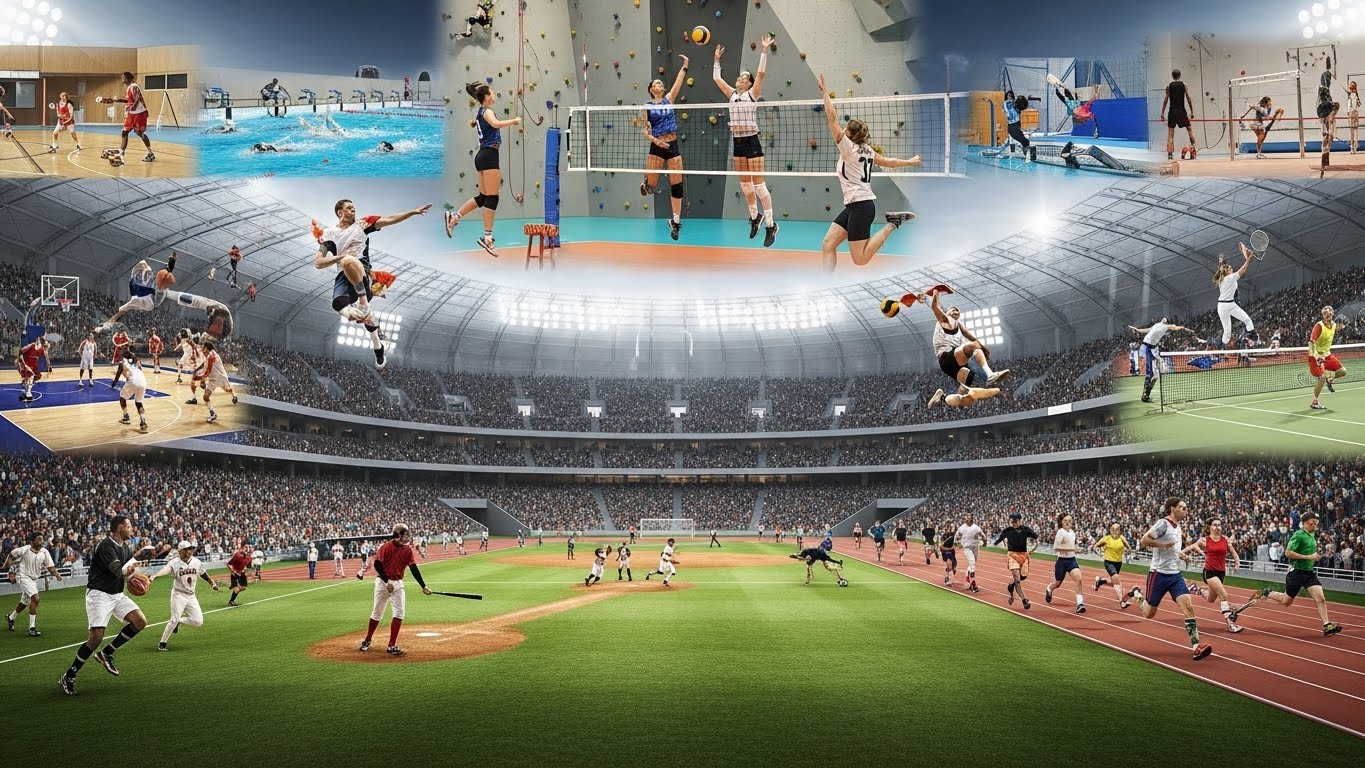
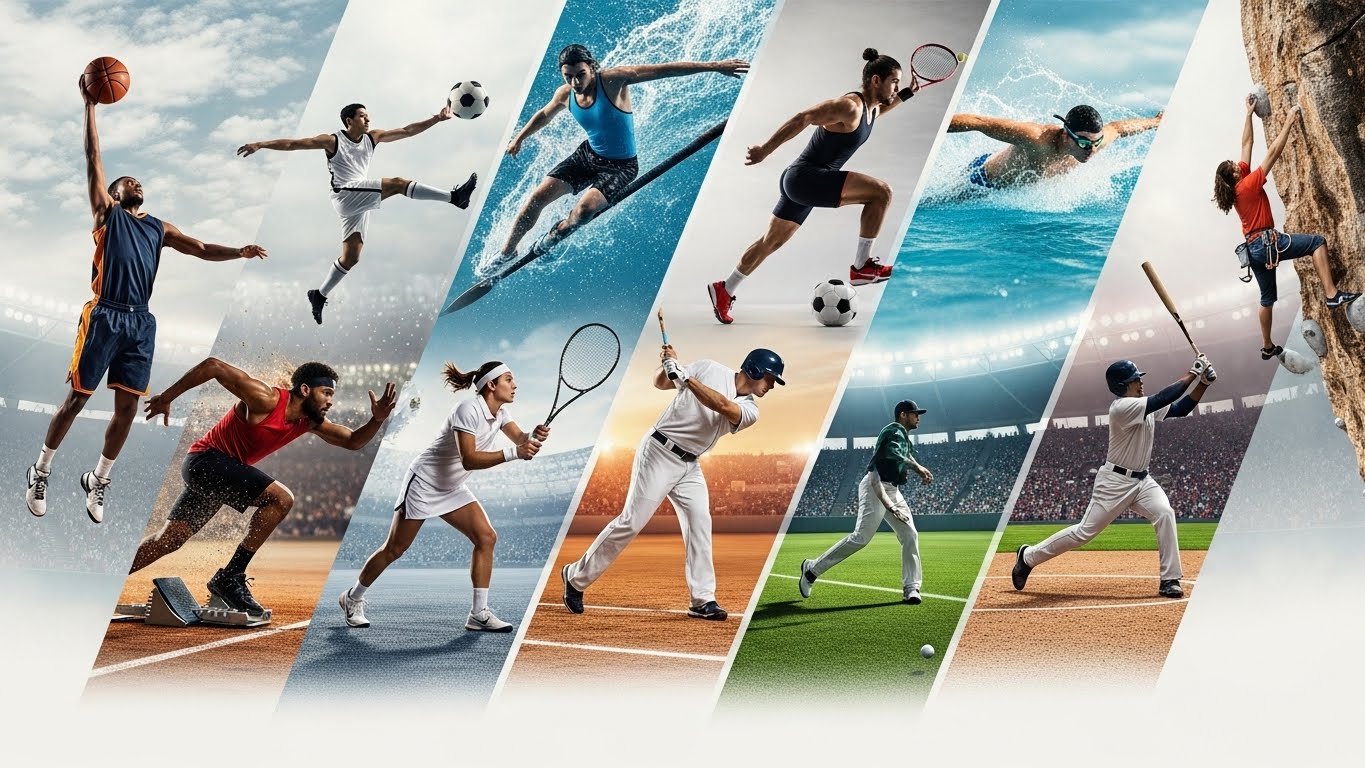
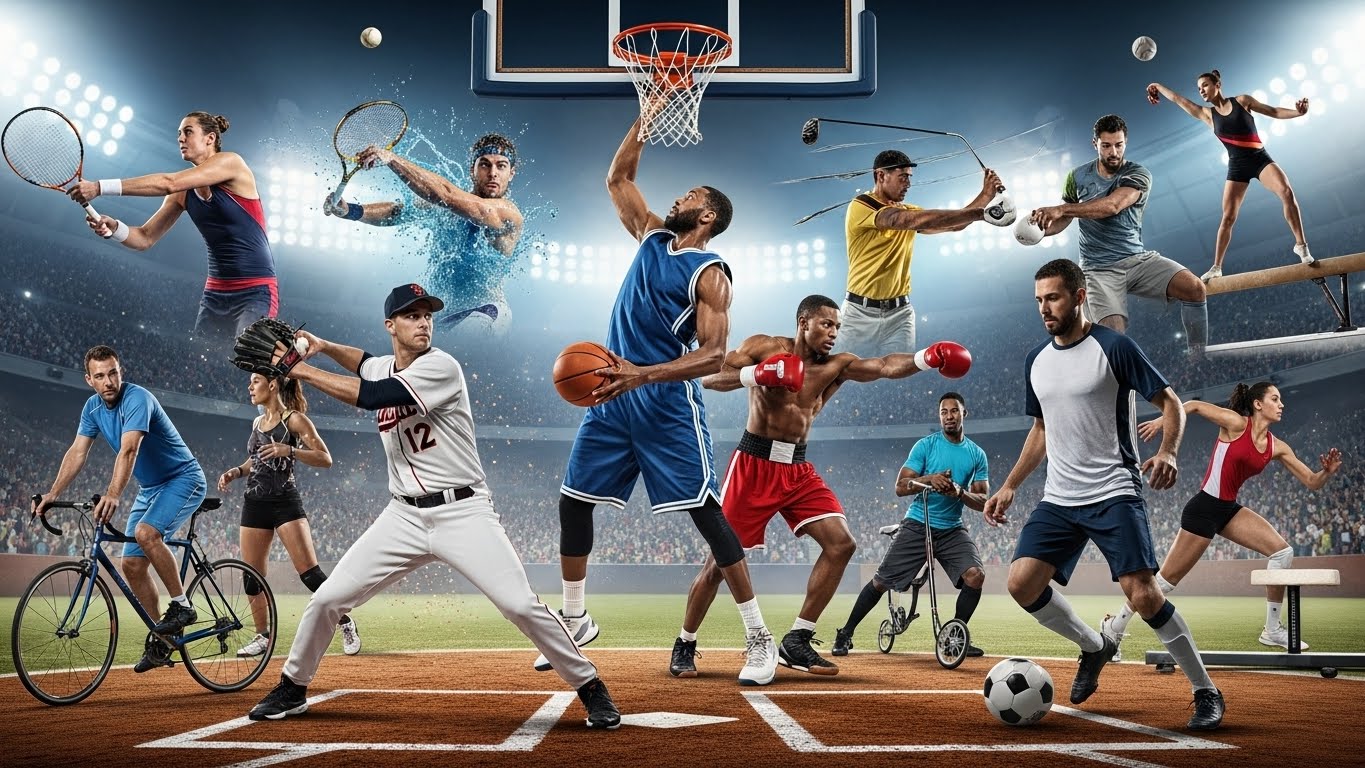
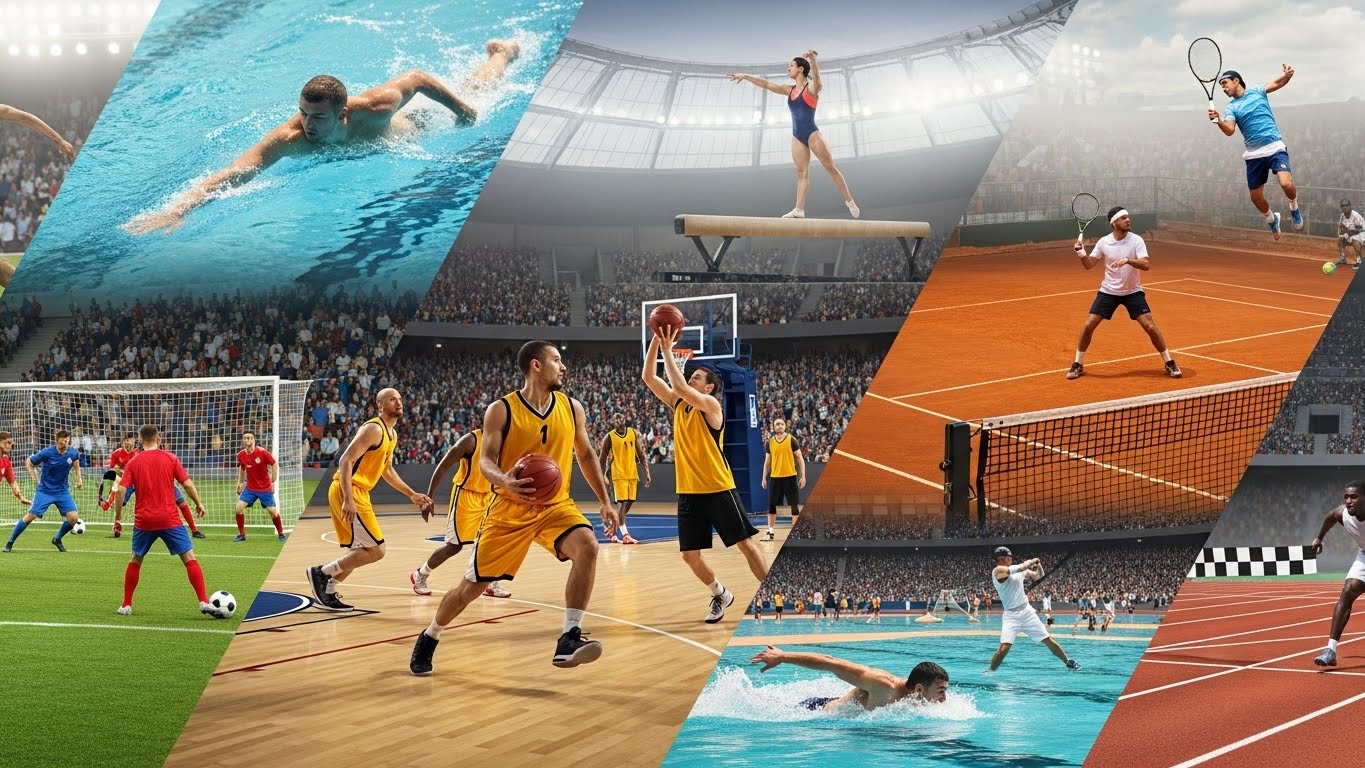
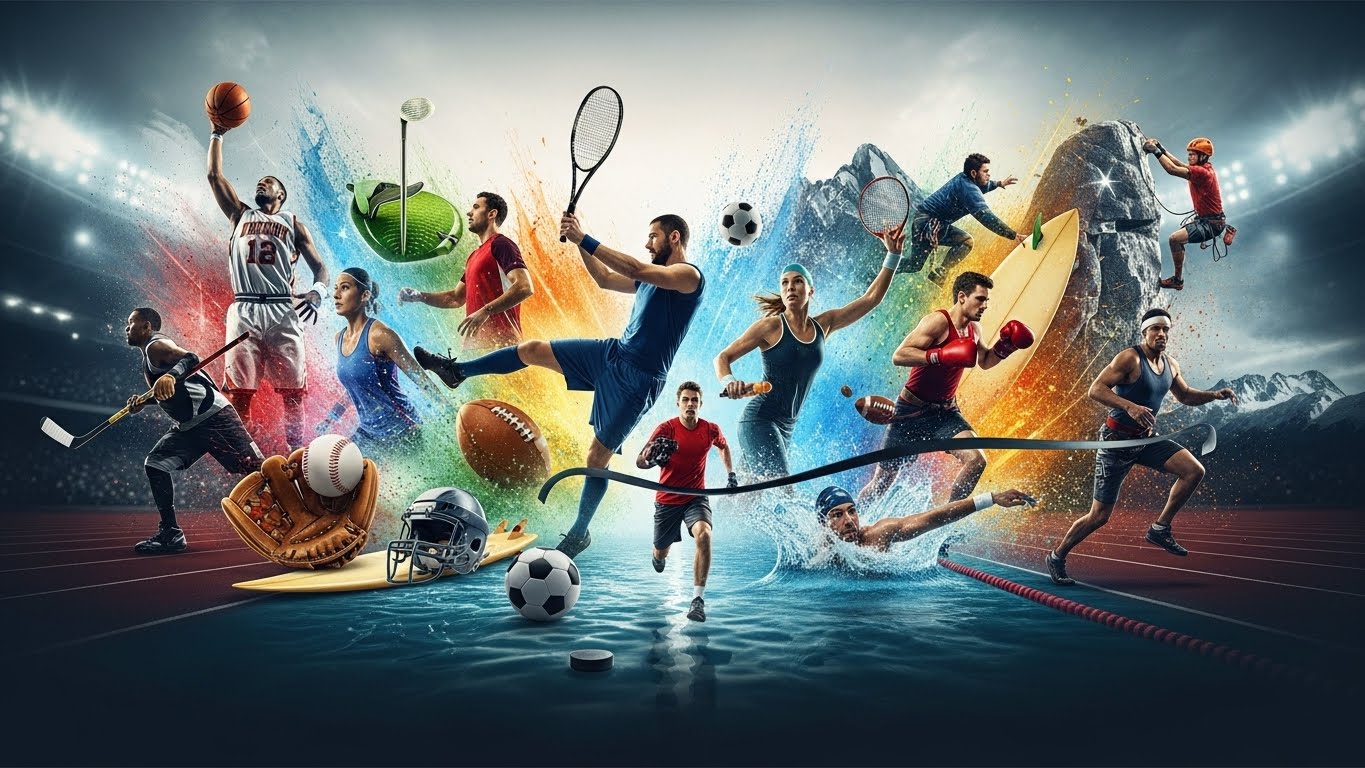
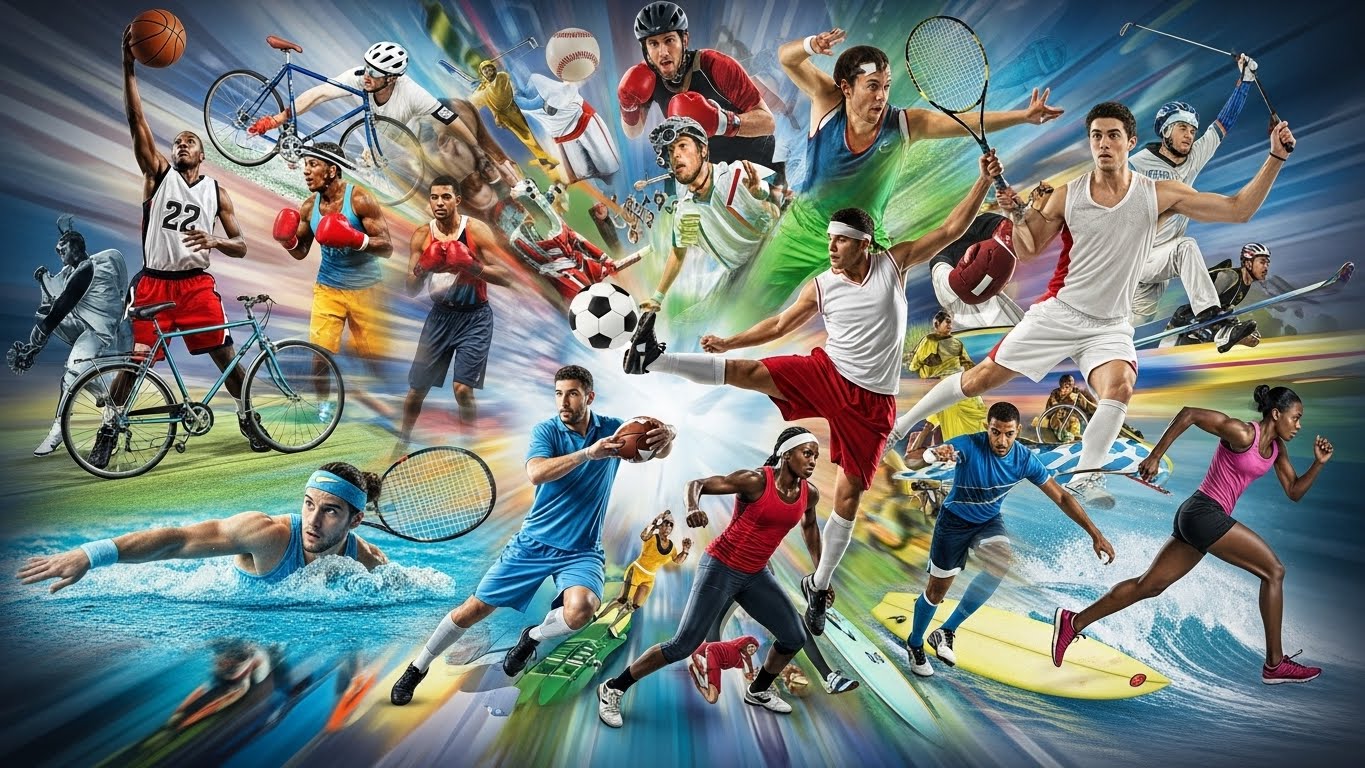
Sports are more than a form of physical activity; they are a universal language that transcends borders, cultures, and generations. From local playgrounds to global arenas, sports inspire, educate, and unite people. Whether played for recreation, competition, or professional achievement, sports shape character, foster teamwork, and instill values like discipline, perseverance, and fair play.
In modern society, sports are deeply intertwined with culture, media, and technology. They influence fashion, entertainment, economics, and social development. They provide a platform for stories of triumph, resilience, and unity that resonate far beyond the playing field.
The History and Evolution of Sports
The roots of sports extend back thousands of years. Ancient civilizations, including the Greeks, Egyptians, and Romans, practiced athletic competitions as a way to train warriors, celebrate culture, and honor deities. The Olympic Games, first held in 776 BC, are among the earliest recorded examples of organized sports.
Over time, sports evolved into structured competitions with standardized rules, leagues, and professional opportunities. The Industrial Revolution introduced mass spectator sports, and technological advances like television and the internet expanded the reach and influence of athletics globally. Today, sports encompass traditional games, extreme sports, adaptive sports, and digital esports, reflecting both history and innovation.
Physical and Mental Benefits of Sports
Engaging in sports provides a multitude of physical and mental benefits. Regular physical activity strengthens muscles, improves cardiovascular health, enhances flexibility, and increases stamina. It reduces the risk of chronic illnesses, supports healthy weight management, and boosts overall well-being.
Mentally, sports promote focus, strategic thinking, and problem-solving. They teach players to cope with pressure, handle failure, and celebrate achievements. Participation in sports also improves mood, reduces stress, and builds resilience, offering benefits that extend into daily life.
Team Sports: Collaboration and Unity
Team sports, including football, basketball, volleyball, and hockey, emphasize cooperation, communication, and collective effort. Players learn to work toward shared goals, adapt to group dynamics, and support teammates in challenging situations. Team sports teach leadership, collaboration, and conflict resolution, fostering skills that are valuable beyond athletics.
Being part of a team also cultivates a sense of belonging and camaraderie. The success of the group depends on each individual’s contribution, reinforcing accountability, trust, and social connection.
Individual Sports: Discipline and Personal Growth
Individual sports such as tennis, swimming, athletics, and gymnastics focus on personal skill, dedication, and self-discipline. Athletes must rely on their abilities, determination, and mental strength to achieve success.
Participation in individual sports develops focus, goal-setting, and self-motivation. These sports encourage resilience, adaptability, and personal accountability. Athletes learn to celebrate progress, manage setbacks, and continually improve, fostering a strong sense of self and personal achievement.
Sports as a Cultural and Social Phenomenon
Sports reflect cultural values and social identity. National teams inspire pride, local clubs foster community engagement, and global tournaments unite people across countries. Cultural traditions influence the types of sports played, the rules followed, and the ways events are celebrated.
Sports also serve as platforms for social change. They highlight issues such as equality, inclusion, and human rights. Athletes and organizations increasingly use their influence to advocate for social causes, demonstrating that sports can drive cultural awareness and progress.
The Economic Impact of Sports
Sports contribute significantly to the global economy. Professional leagues, events, and tournaments generate revenue through ticket sales, broadcasting rights, sponsorships, and merchandising. Careers in coaching, management, marketing, media, and sports medicine are supported by the industry.
Major sporting events, such as the Olympics and World Cup, stimulate local economies by promoting tourism, infrastructure development, and global attention. Sports are not only a source of entertainment but also a key economic driver that creates jobs and business opportunities.
Technology in Sports: Enhancing Performance and Experience
Technological advancements have transformed both athletic performance and spectator experience. Wearable devices track heart rate, movement, and performance metrics, allowing athletes to optimize training and prevent injuries. Video analysis and simulation tools provide detailed feedback and strategy development.
For fans, technology has expanded access to sports through live streaming, instant replays, virtual reality experiences, and interactive apps. Technology bridges the gap between players and spectators, enhancing engagement, analysis, and enjoyment of sports at all levels.
The Role of Women in Sports
The rise of women’s sports has redefined athletic participation and representation. Women now compete professionally in nearly every sport, from football and basketball to athletics and martial arts. Increased visibility, sponsorship, and media coverage have empowered female athletes and inspired new generations to pursue their passions.
Women’s sports promote equality, diversity, and inclusion. They challenge traditional norms, celebrate talent and dedication, and highlight the importance of providing equal opportunities in athletics.
Adaptive and Inclusive Sports
Adaptive sports provide competitive and recreational opportunities for athletes with disabilities. Events like the Paralympics showcase skill, innovation, and determination, demonstrating that physical limitations do not define potential.
Inclusive sports programs emphasize accessibility, community participation, and personal growth. They strengthen social cohesion, foster empathy, and highlight the universal value of play and competition.
The Psychology of Sports
Sports psychology explores the mental and emotional aspects of athletic performance. Confidence, focus, motivation, and resilience are essential for success. Athletes use techniques such as visualization, mindfulness, and goal-setting to enhance performance and manage pressure.
Spectators also experience psychological benefits from sports, including excitement, suspense, emotional release, and a sense of community. The mental impact of sports is profound, influencing both players and fans in meaningful ways.
Youth Sports: Nurturing the Next Generation
Participation in sports during childhood and adolescence fosters physical, social, and emotional development. Youth sports teach discipline, teamwork, perseverance, and leadership. They promote healthy lifestyles, build confidence, and provide opportunities for social interaction.
Coaching, mentorship, and structured programs help young athletes develop skills, cultivate values, and pursue long-term personal and athletic growth. Youth sports are a foundation for lifelong engagement with physical activity and healthy habits.
Global Sporting Events
International competitions like the Olympics, FIFA World Cup, and World Championships celebrate athletic excellence and unity. These events inspire national pride, encourage cultural exchange, and foster friendly competition.
Global tournaments highlight stories of perseverance, teamwork, and determination, demonstrating that sports are a celebration of human potential and shared values. They unite spectators and athletes across continents, creating a sense of global community.
Sports in Media and Entertainment
Sports have a powerful influence on media and entertainment. Television, streaming platforms, and social media allow fans to follow games, athletes, and leagues worldwide. Athletes become cultural icons, shaping trends in fashion, music, and lifestyle.
Sports documentaries, live coverage, and journalism provide education, inspiration, and entertainment. The interplay between sports and media amplifies engagement, creating a dynamic cultural phenomenon that reaches millions.
Sportsmanship and Ethics
Sportsmanship embodies respect, integrity, and fairness. Ethical behavior, such as respecting opponents, following rules, and celebrating victories and losses gracefully, is fundamental to the spirit of sports.
Teaching sportsmanship fosters character development and social responsibility. Athletes learn to value effort, demonstrate humility, and cultivate respect for others, ensuring that sports remain a positive influence in society.
The Future of Sports
The future of sports will continue to evolve with technology, inclusivity, and global connectivity. Emerging trends include virtual competitions, esports, advanced analytics, wearable technology, and sustainable sporting practices.
Sports will continue to provide opportunities for physical health, mental resilience, cultural exchange, and community building. The evolution of sports ensures that they remain a central part of human experience, inspiring future generations to participate, excel, and enjoy the benefits of athletic engagement.
Conclusion: Sports as a Force for Growth and Connection
Sports are more than games—they are a reflection of human potential, creativity, and community. They encourage discipline, teamwork, resilience, and ethical behavior. They provide physical and mental benefits, create economic opportunities, and foster social cohesion.
From youth leagues to global tournaments, from amateur enthusiasts to professional athletes, sports connect people across boundaries and generations. They inspire stories of achievement, challenge, and perseverance that resonate far beyond the field. The spirit of sports endures as a testament to human passion, dedication, and the power of play.