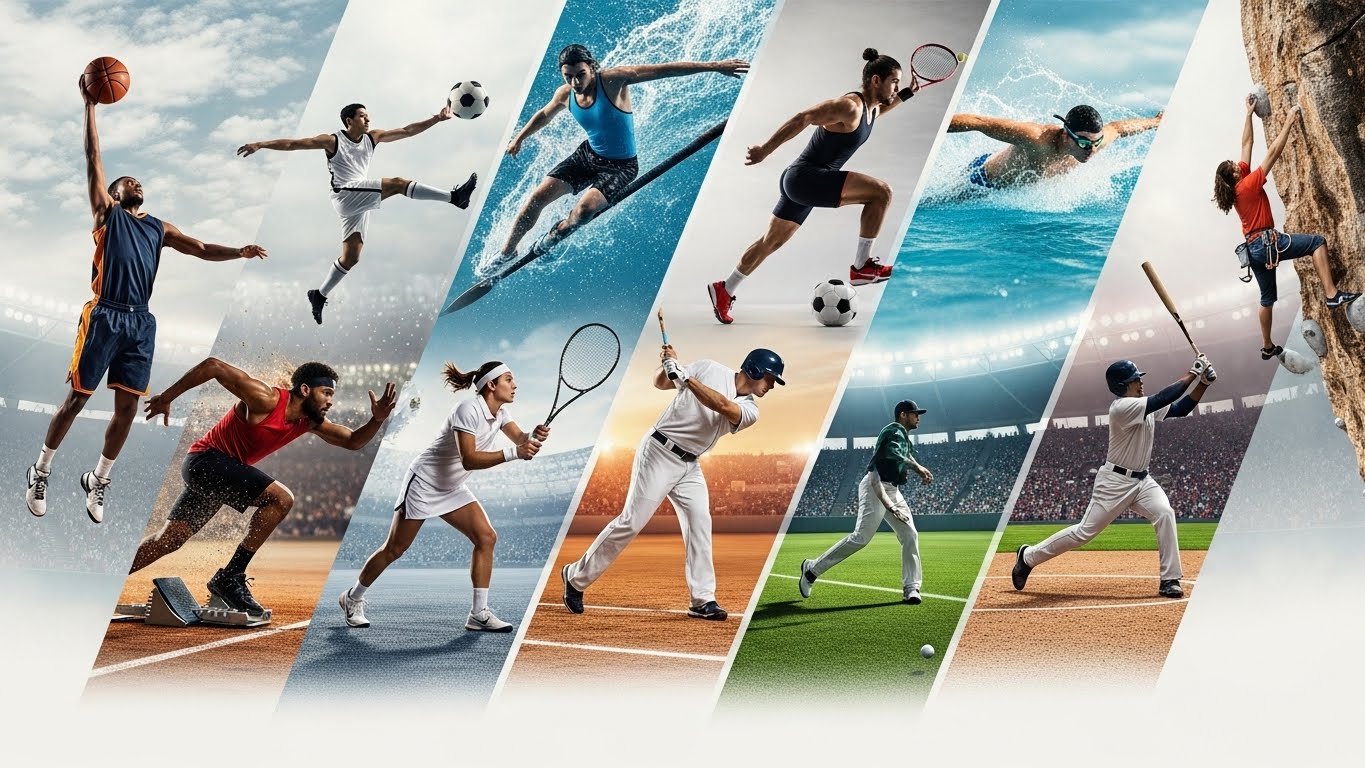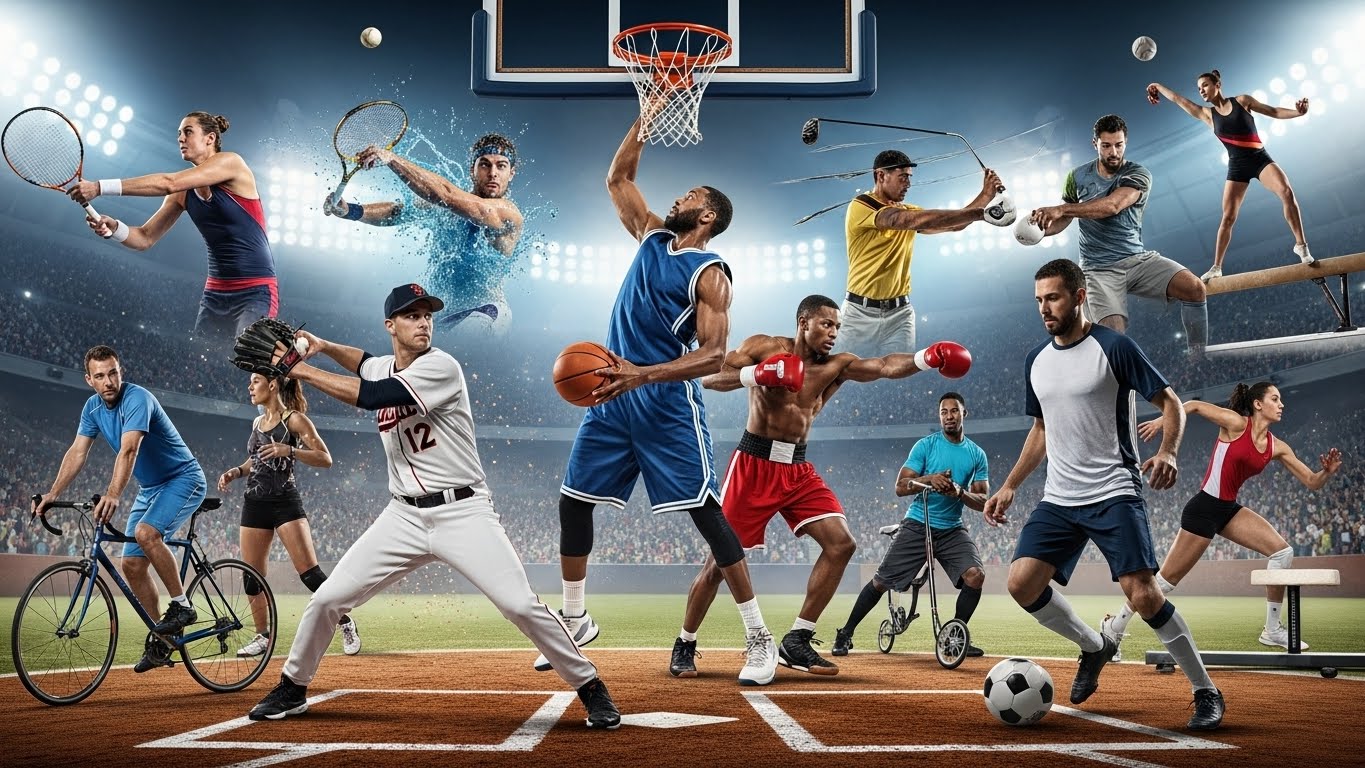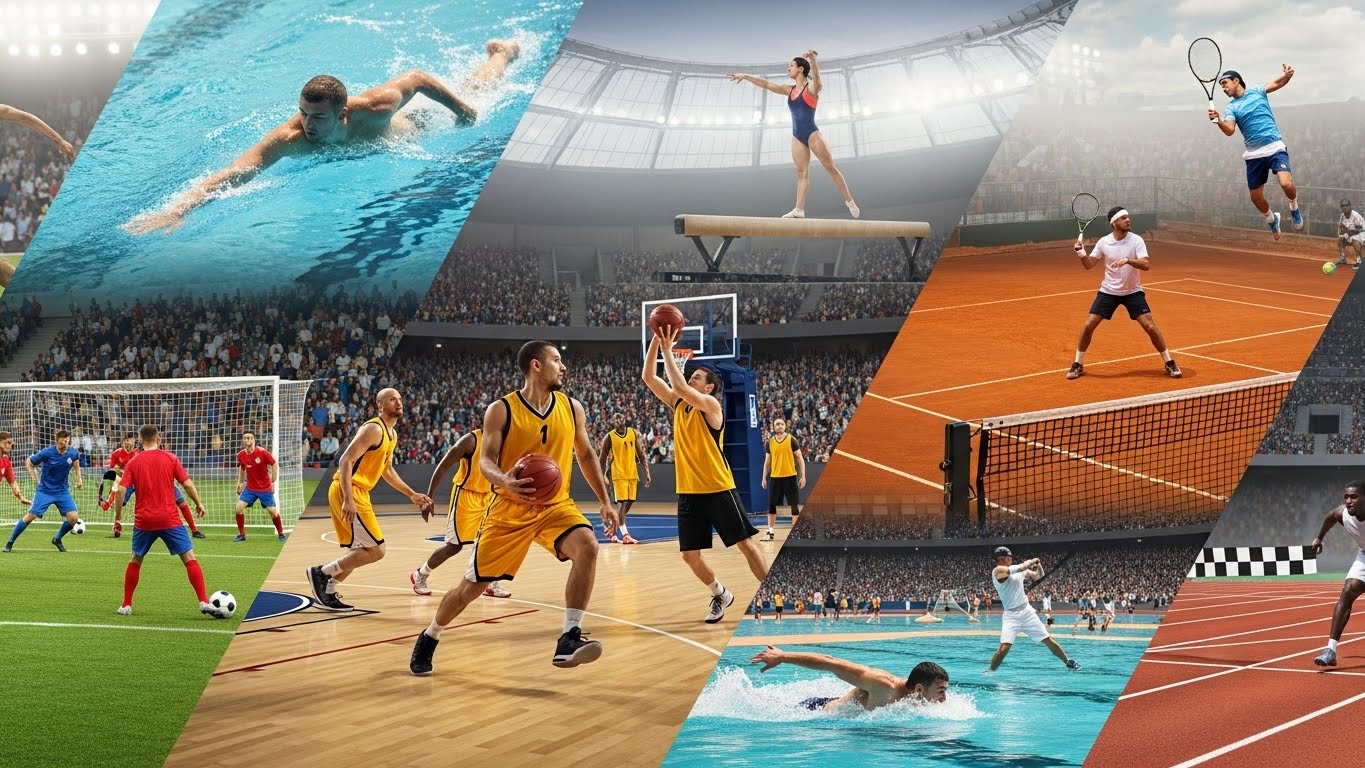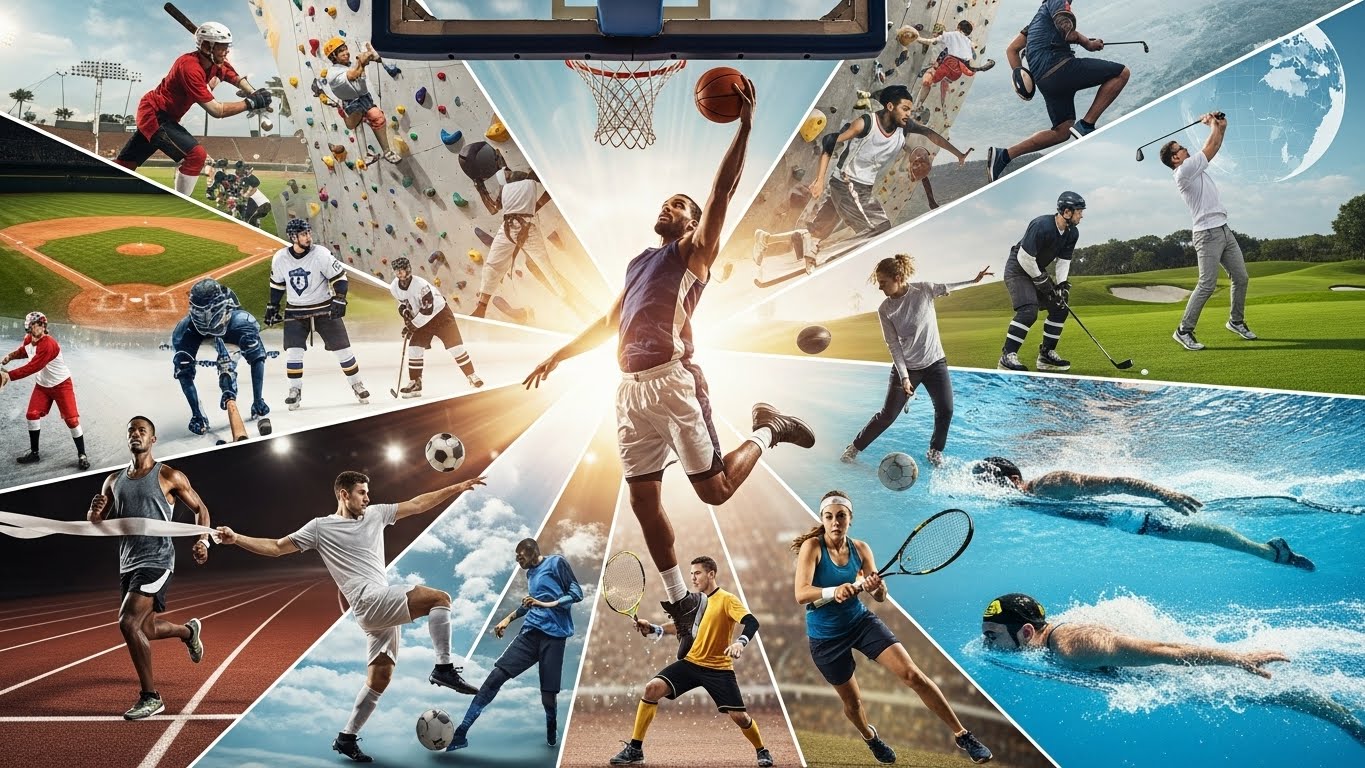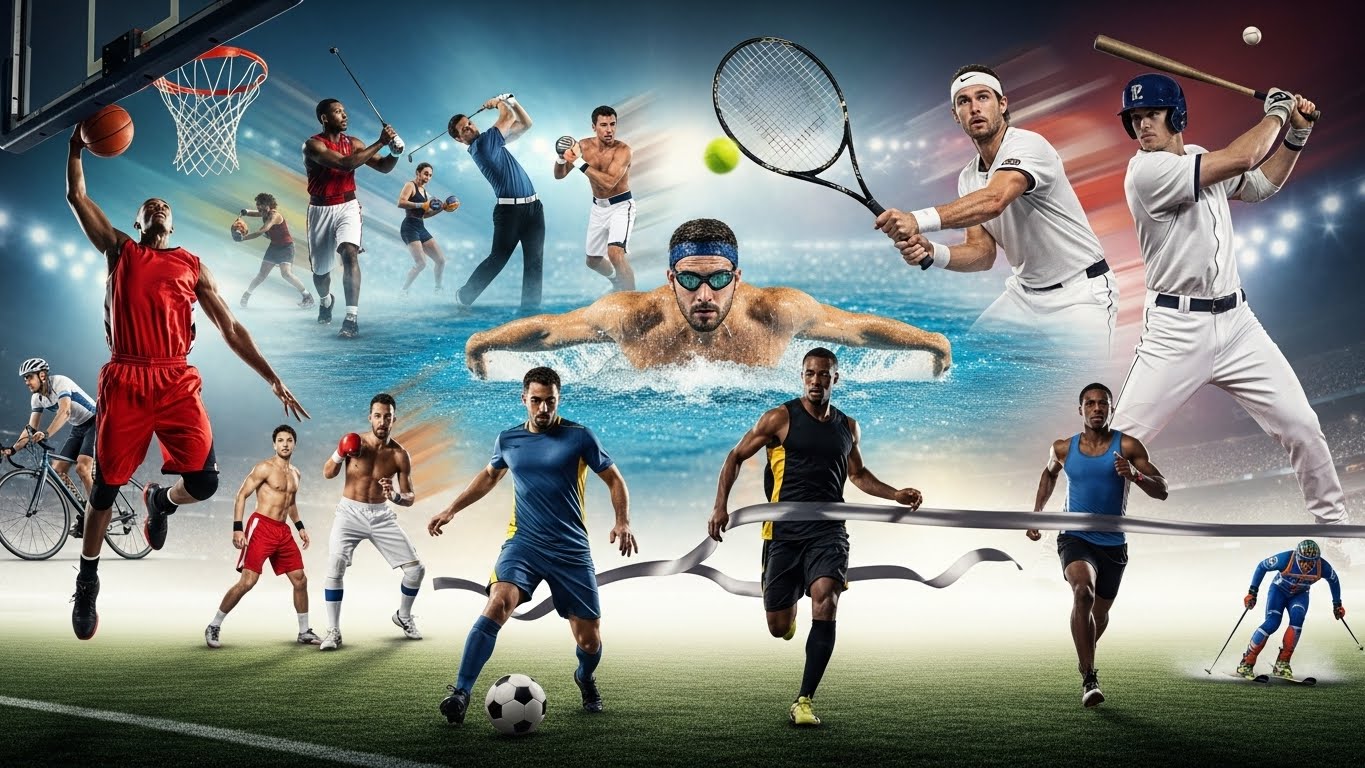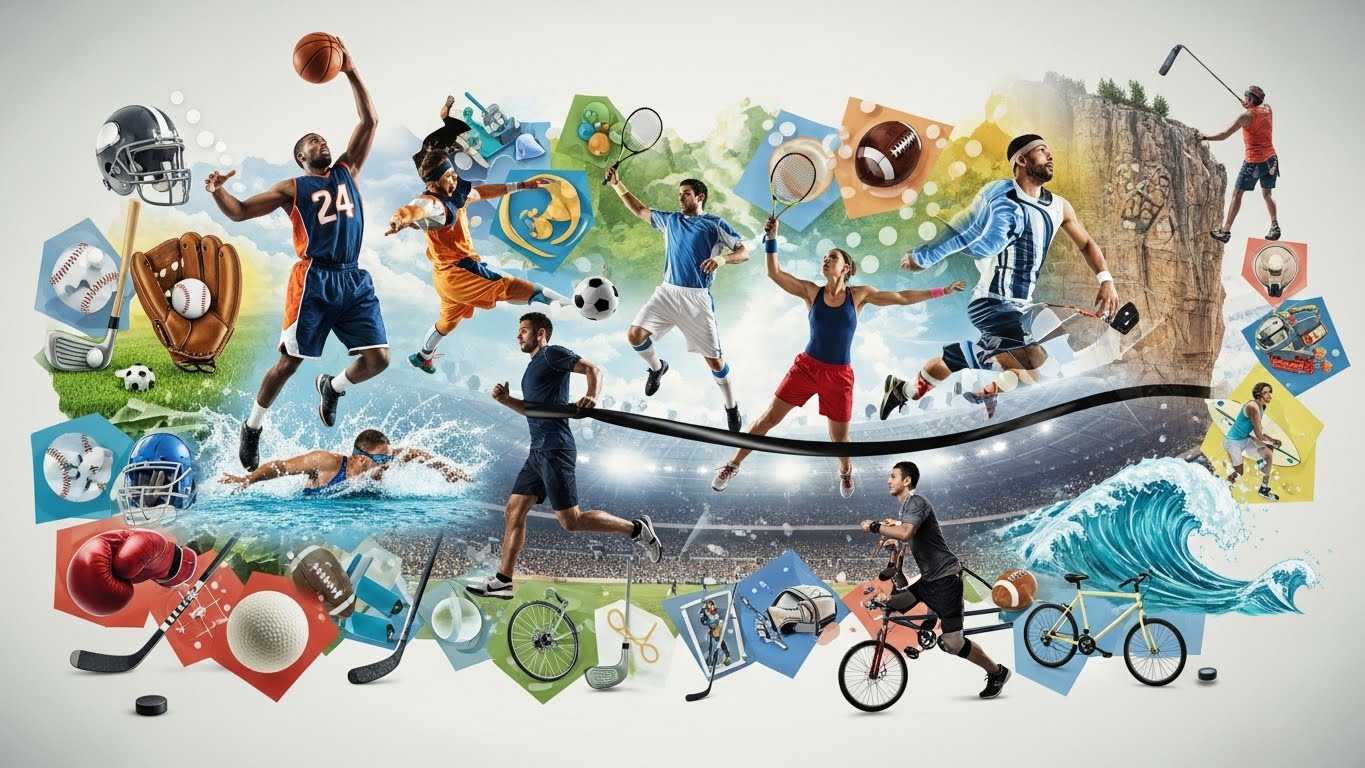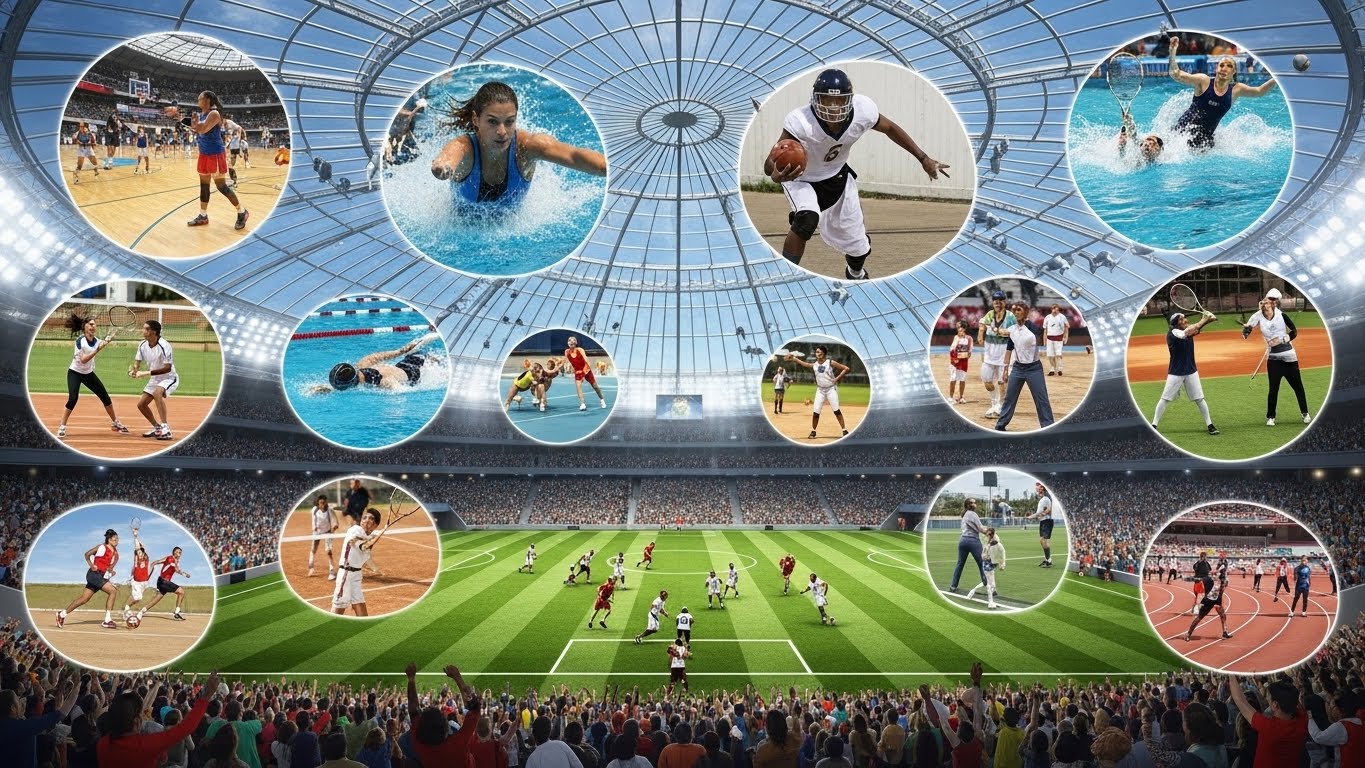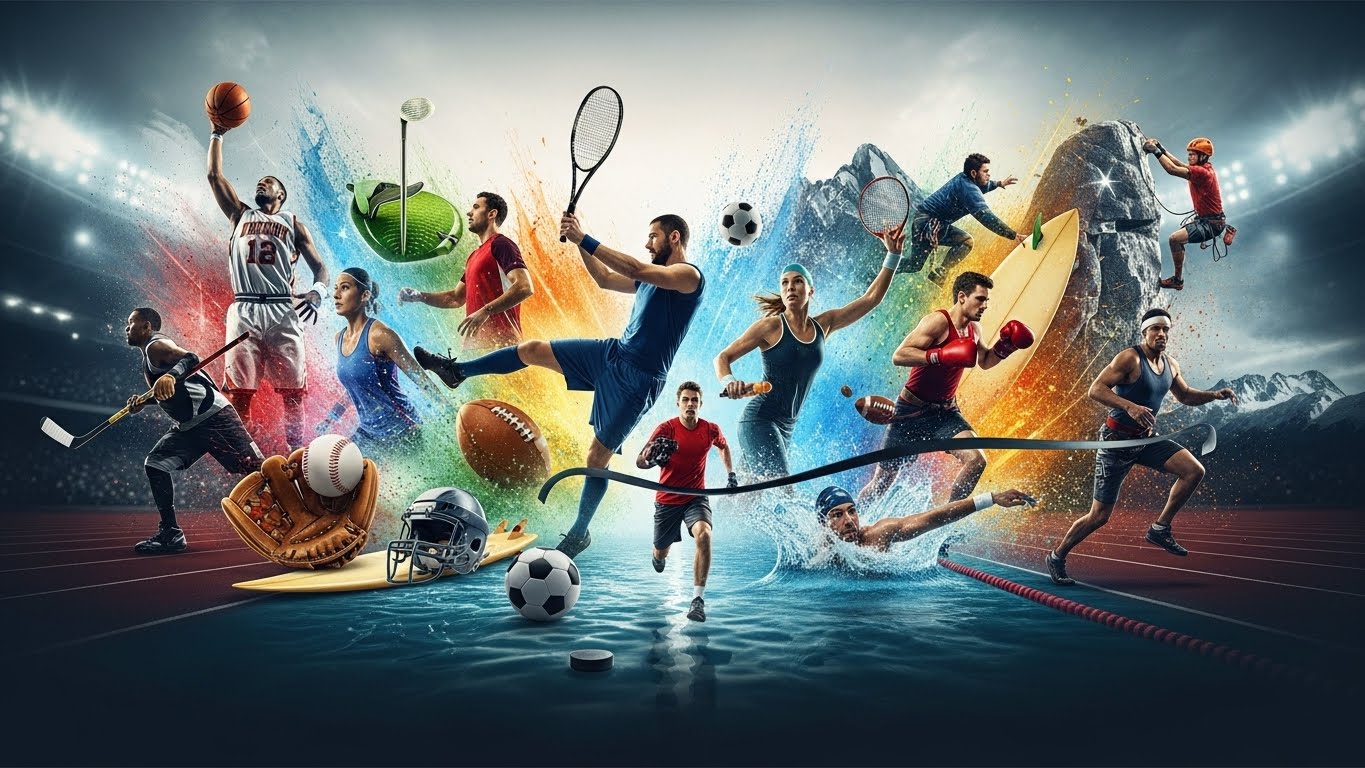

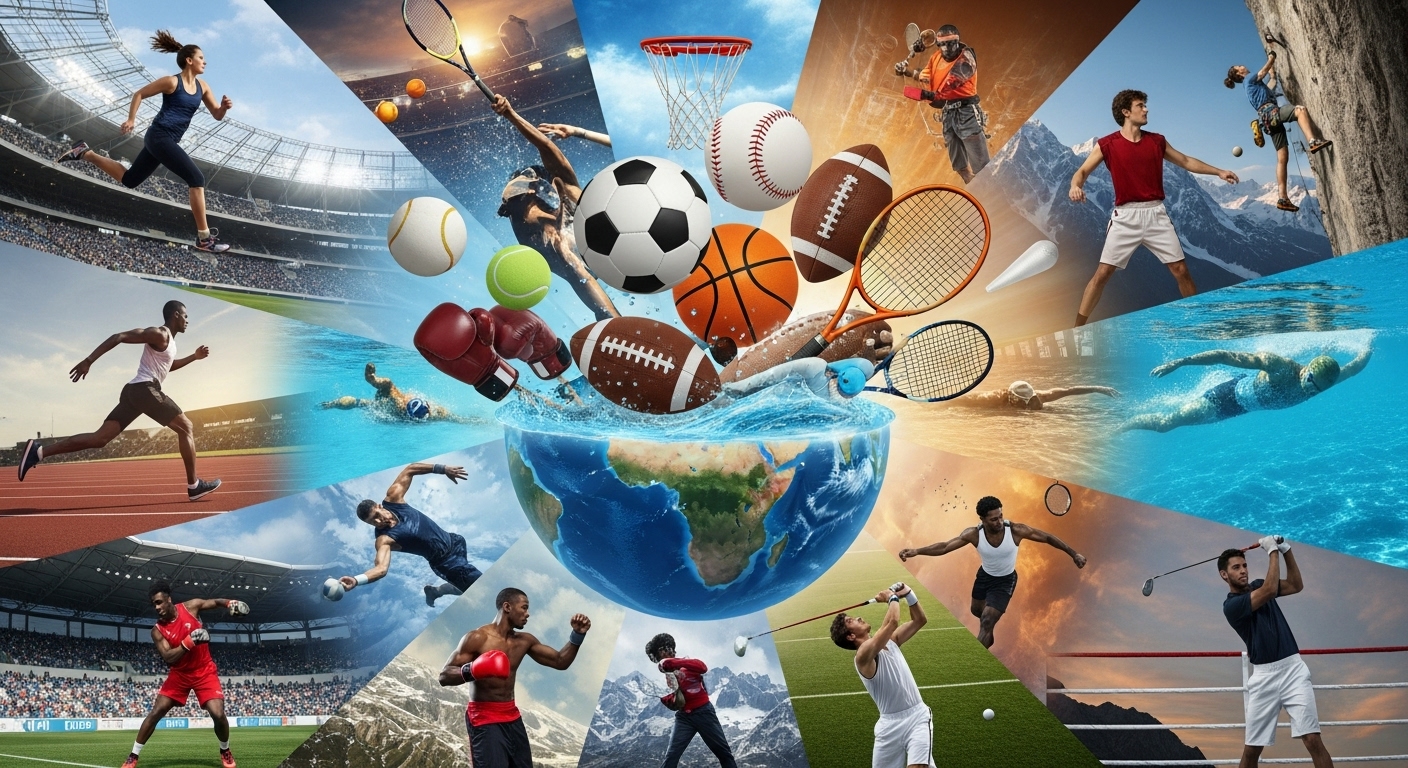
Sports have been an integral part of human culture for centuries, evolving from ancient traditions to global spectacles that bring people together across continents. Whether it’s the simple joy of a friendly game, the intense competition of professional leagues, or the inspiring spectacle of international events like the Olympics or the World Cup, sports are an essential aspect of our lives. This blog explores the profound impact of sports on physical health, mental well-being, personal development, and society at large.
The Origins and Evolution of Sports
The origins of sports can be traced back to the earliest civilizations, where physical contests were often more than just entertainment—they served as a way to train for survival, celebrate victories, or honor the gods. Ancient Greece is perhaps the most iconic example, with its Olympic Games, which began in 776 BCE, emphasizing both athleticism and a celebration of human potential.
As centuries passed, sports evolved from informal and local competitions into formalized activities with structured rules and organized teams. In the 19th and 20th centuries, industrialization, globalization, and advancements in communication allowed sports to reach a global audience. Today, sports are not only a recreational activity but also a major cultural and economic force, shaping societies around the world.
The Physical Benefits of Sports
One of the most obvious benefits of sports is their positive impact on physical health. Engaging in regular physical activity through sports helps to build and maintain a healthy body. Whether you’re running a marathon, swimming, playing soccer, or practicing yoga, sports offer a variety of exercises that strengthen muscles, improve cardiovascular health, enhance flexibility, and promote overall fitness.
Exercise is known to boost the immune system, reduce the risk of chronic diseases like heart disease, diabetes, and obesity, and improve lifespan. The diversity of sports means that individuals of all fitness levels and ages can find activities suited to their capabilities. From walking and cycling to high-intensity sports like basketball and football, every sport has its own unique way of contributing to physical well-being.
Mental Health and Emotional Benefits
The benefits of sports extend far beyond the body. Physical activity is a powerful tool for boosting mental health. Exercise is known to release endorphins, the body’s natural mood elevators, which can help reduce stress, anxiety, and depression. This makes sports an effective way to enhance emotional well-being, especially in today’s fast-paced and high-stress world.
Playing sports also helps to sharpen mental focus and cognitive function. For instance, chess, a sport of strategy and skill, requires intense mental acuity, while team sports like basketball or football require quick thinking, decision-making, and adaptability. These mental exercises help enhance concentration, problem-solving, and memory, making sports an effective way to stay mentally fit.
In addition to enhancing mood, sports can also improve self-esteem and confidence. Mastering a new skill, achieving a personal best, or contributing to a team’s success can provide a sense of accomplishment and pride. The social nature of sports also means that participants are often part of a supportive community, which fosters a sense of belonging and emotional connection.
Social Cohesion and Community Building
Sports are a powerful social tool. They unite individuals from different backgrounds, cultures, and social classes through a shared love of competition and play. Whether it’s a local football game or the global stage of the Olympics, sports foster social cohesion by encouraging teamwork, communication, and mutual respect.
At the community level, local sports teams and clubs provide a space for individuals to bond over a common interest. Children who participate in sports often form friendships and learn important social skills, such as teamwork, discipline, and how to deal with success and failure. For adults, sports offer a way to socialize, build networks, and form connections with others in a fun and supportive environment.
On a global scale, sports have the power to break down barriers and foster understanding between different cultures. Major sporting events, such as the World Cup or the Olympics, bring together athletes from diverse countries and provide a platform for cultural exchange. These events promote international unity, respect, and peace by encouraging individuals to look beyond national differences and focus on their shared love of sport.
The Role of Sports in Education
In the educational setting, sports play a crucial role in shaping young minds. Physical education programs in schools teach children not only the fundamentals of physical activity but also important life skills such as leadership, time management, and resilience. Student-athletes often learn to balance academics with training, a skill that is essential for success both in and out of the classroom.
Participation in sports can also serve as a motivational tool. Students who are involved in athletics often develop a sense of discipline and focus that carries over into their academic performance. The experience of working toward a goal—whether it’s improving a skill or winning a competition—translates well into the academic setting, where perseverance and determination are essential for success.
In addition, sports provide opportunities for students to explore different interests and talents. Whether it’s running track, playing basketball, or participating in gymnastics, sports offer avenues for self-expression and personal growth. For some, sports even become a lifelong passion or a career.
Economic Impact of Sports
The economic significance of sports cannot be overstated. At the professional level, sports generate billions of dollars annually through ticket sales, broadcasting rights, sponsorship deals, and merchandise. The growth of professional sports leagues, such as the National Football League (NFL), English Premier League (EPL), and National Basketball Association (NBA), has had a profound impact on global economies.
Beyond the professional leagues, sports also drive local economies. Local tournaments, amateur competitions, and community sporting events create job opportunities, stimulate tourism, and boost the hospitality industry. When cities host large-scale events like the Super Bowl, the Olympics, or World Cups, the influx of visitors can provide a significant economic boost.
Sports also create a wide array of jobs, ranging from athletes and coaches to managers, broadcasters, analysts, and fitness professionals. The booming sports industry has given rise to career opportunities in marketing, media, sports technology, event management, and even law. For many, sports are not just a pastime but a livelihood, contributing to both personal fulfillment and economic growth.
The Cultural Influence of Sports
Sports have a significant cultural impact, often influencing societal values and shaping national identities. In many countries, the performance of national teams on the world stage can serve as a source of national pride. The success of athletes or teams in international competitions can boost a nation’s sense of unity and collective identity.
In addition, sports have the power to inspire individuals and communities. Iconic athletes like Muhammad Ali, Serena Williams, and Michael Jordan have become symbols of perseverance, dedication, and success. Their stories transcend the sports world and serve as powerful examples of what can be achieved through hard work, determination, and a belief in one’s abilities.
Sports also influence pop culture, from the music played in stadiums to the stories of athletes that are told through movies, documentaries, and biographies. The crossover between sports and entertainment has given rise to a vibrant industry that blends athleticism with creativity and artistry.
The Future of Sports: Emerging Trends
As technology continues to advance, sports are evolving in exciting ways. One of the most significant trends in modern sports is the increasing use of technology in training and performance analysis. Wearables, such as fitness trackers and smart clothing, provide athletes with valuable data that can help them improve their performance, monitor their health, and prevent injuries.
Virtual reality (VR) and augmented reality (AR) are also becoming increasingly prevalent in sports. These technologies offer new ways for athletes to train, analyze games, and even experience live events from a fan’s perspective. VR is already being used to simulate game environments, helping athletes develop their skills in a controlled setting.
Additionally, esports has emerged as a new frontier in the sports world. Competitive video gaming has grown into a multi-billion-dollar industry, with professional leagues, tournaments, and dedicated fan bases. Esports bridges the gap between traditional sports and digital entertainment, providing a platform for gamers to showcase their skills on a global stage.
Conclusion: The Enduring Power of Sports
Sports are far more than just games—they are a vital part of the human experience. They have the power to shape our bodies, minds, and communities. Whether it’s the personal satisfaction of achieving a fitness goal, the joy of teamwork, or the cultural pride of supporting a national team, sports have the ability to bring people together and enrich lives in profound ways.
From their ancient origins to their modern-day forms, sports continue to inspire, challenge, and unite us. As we look to the future, the role of sports in society will only continue to grow, shaping not just individual lives but also the fabric of society itself.