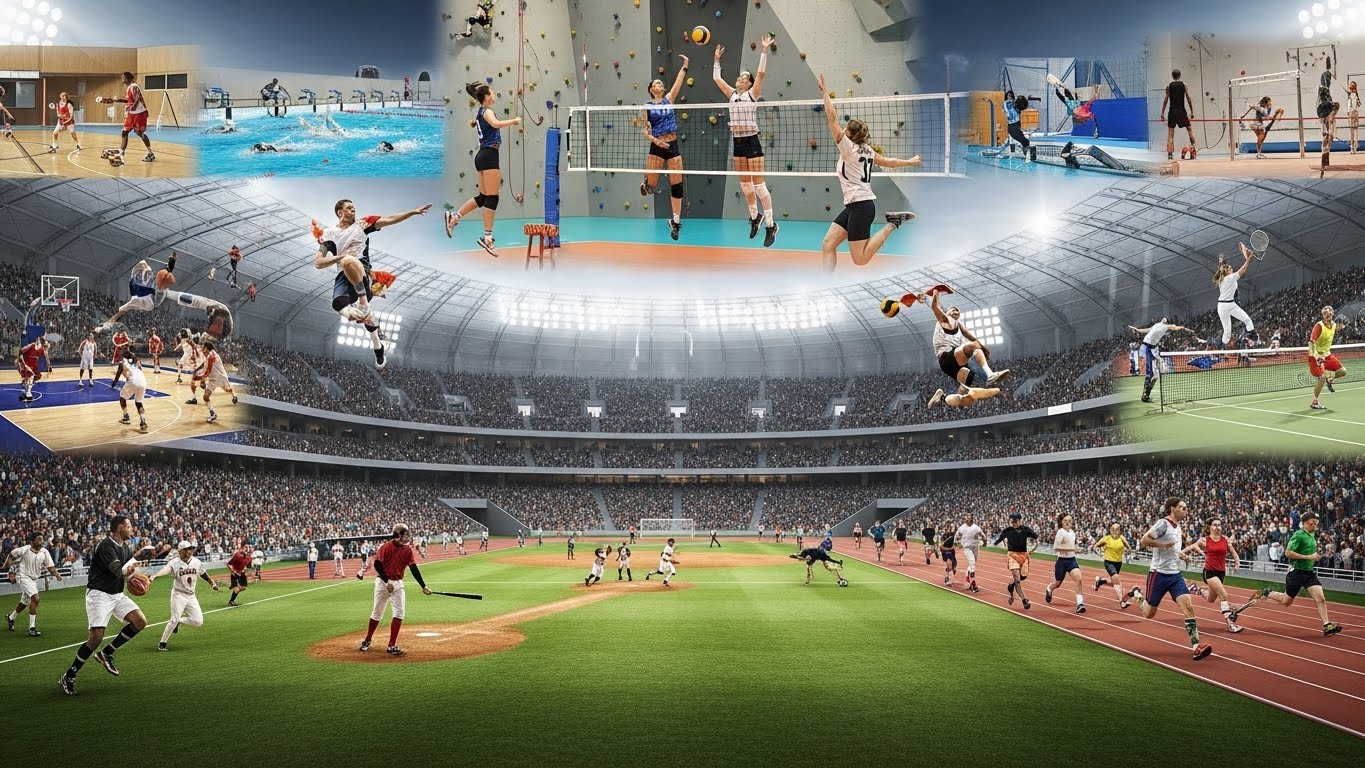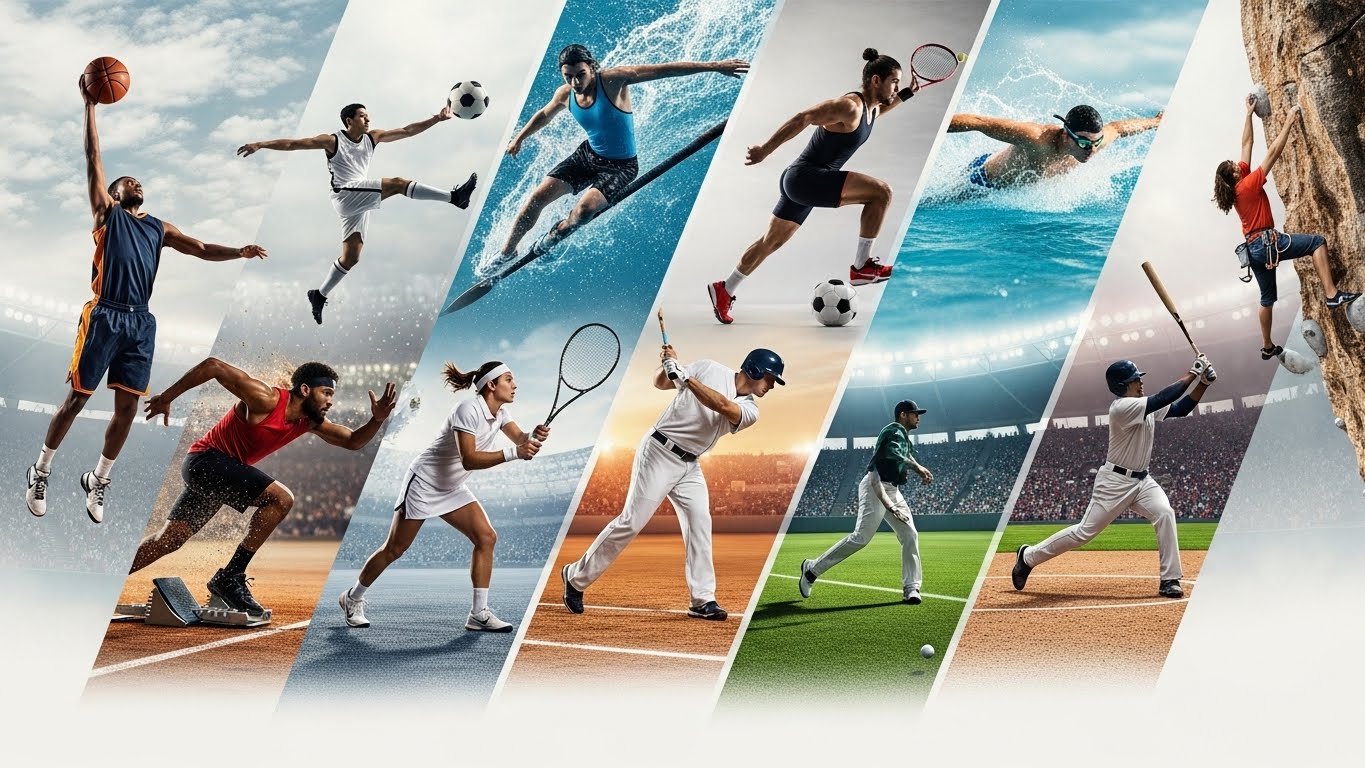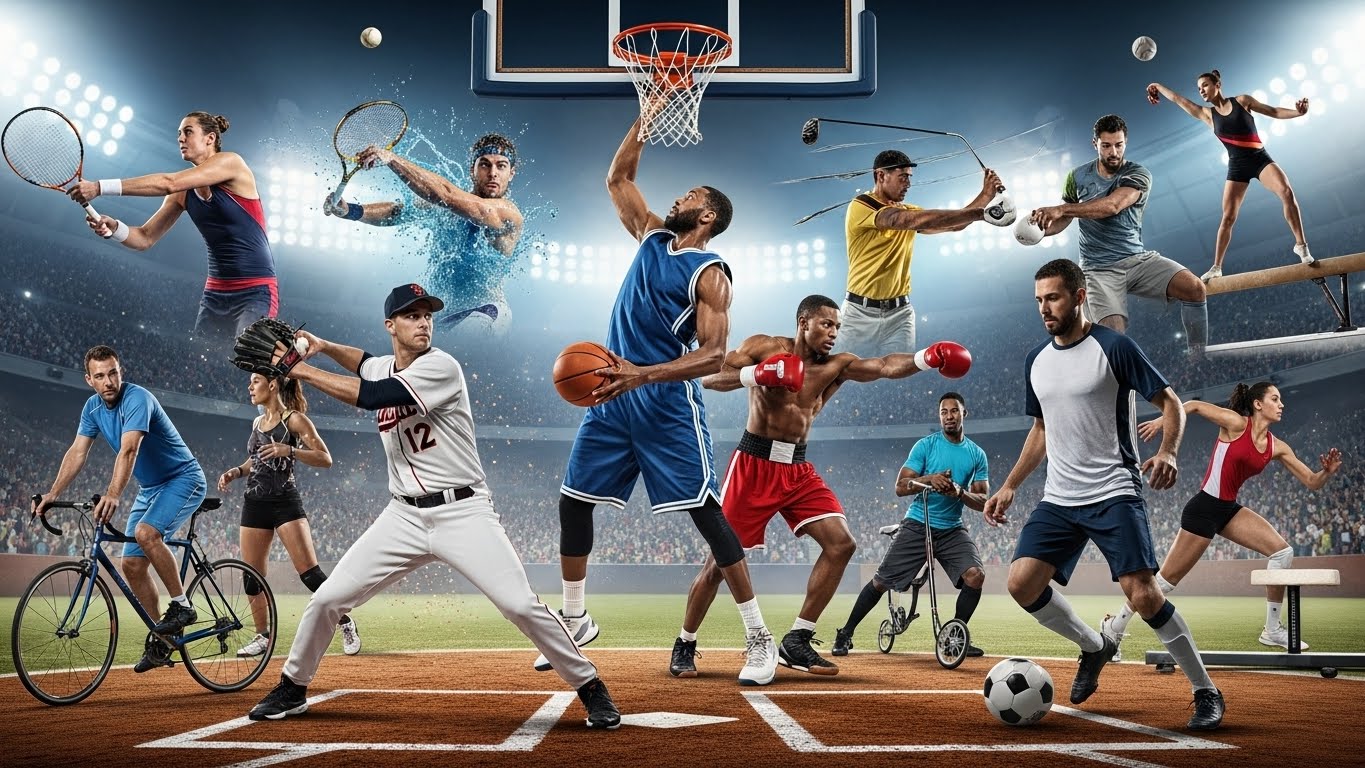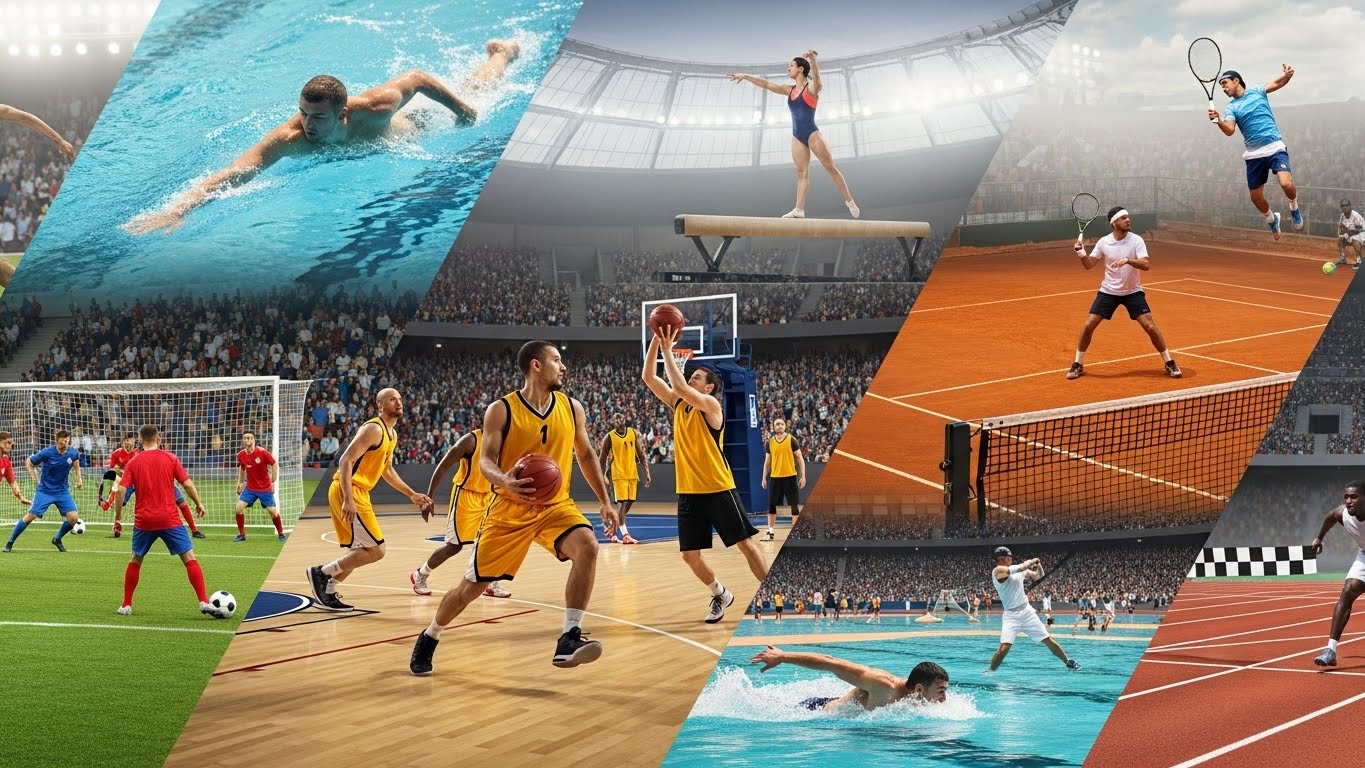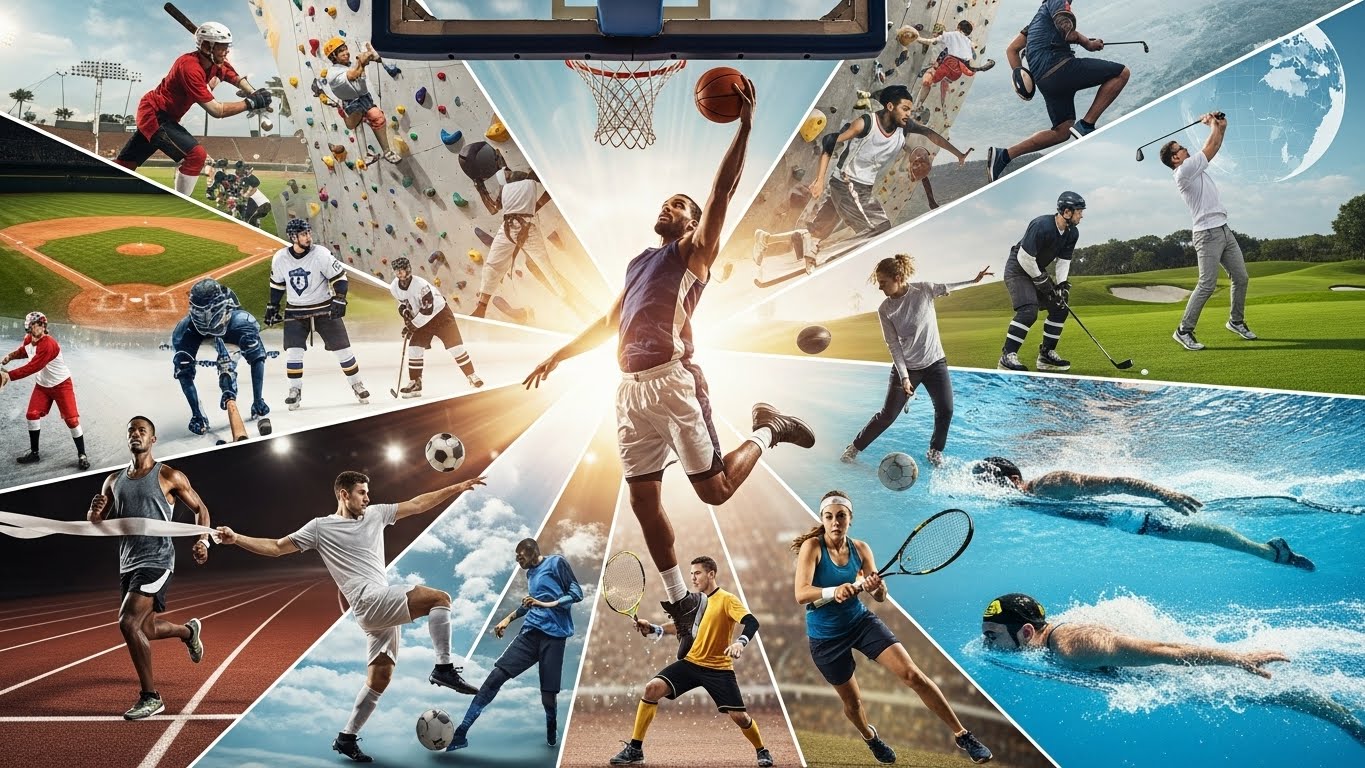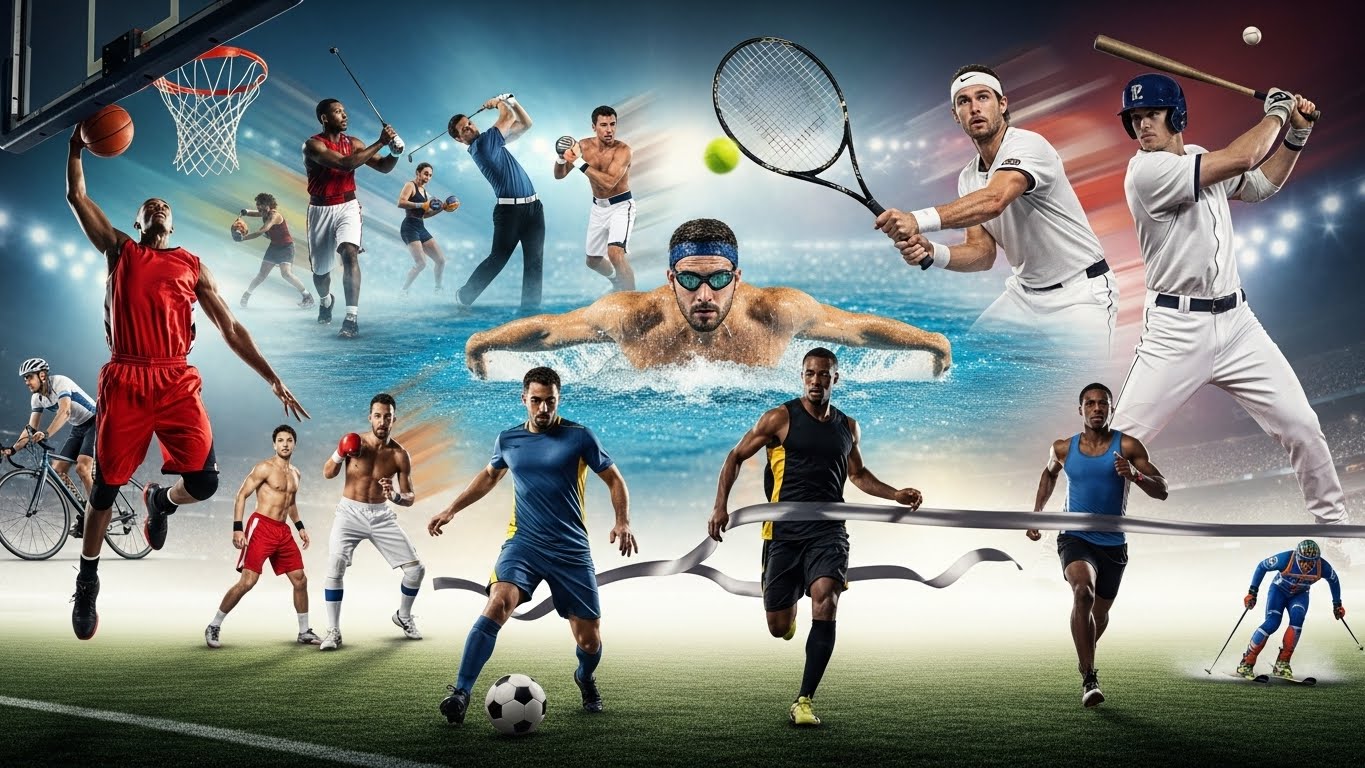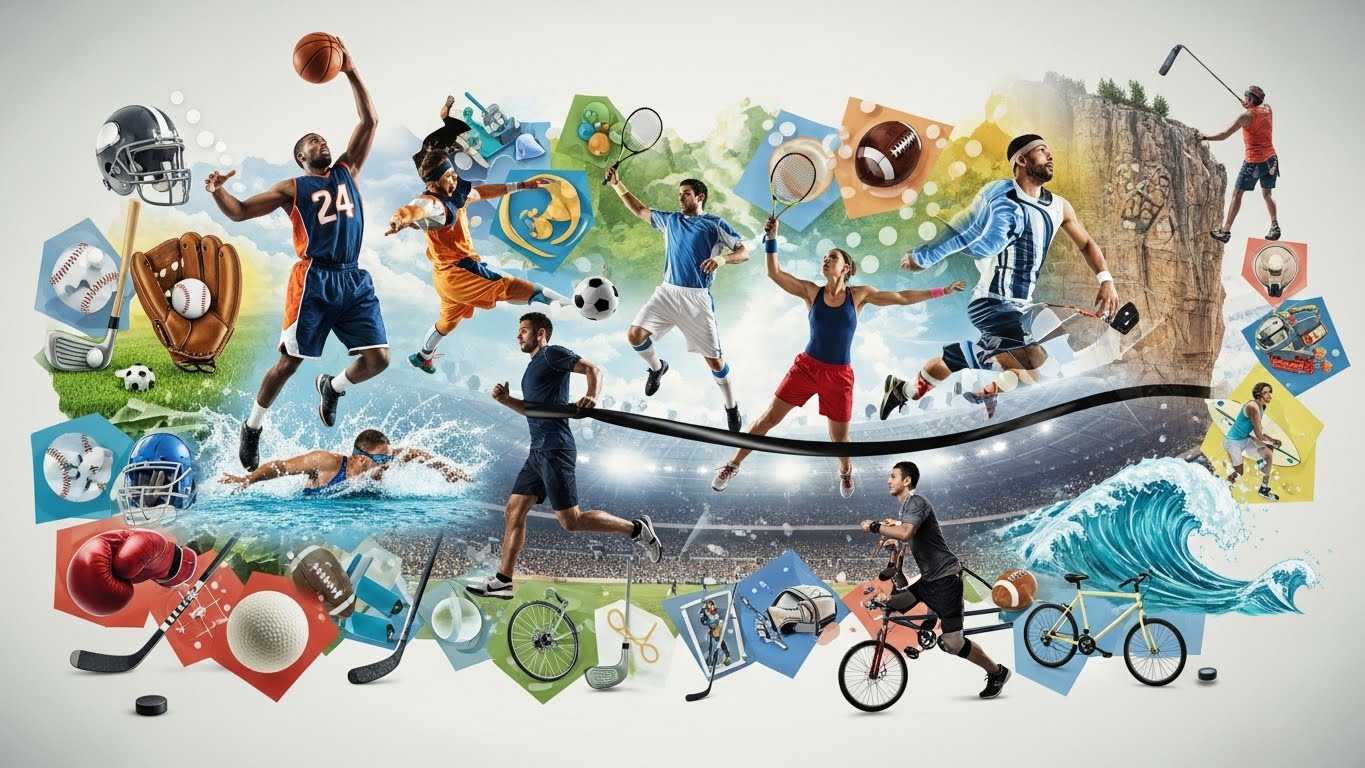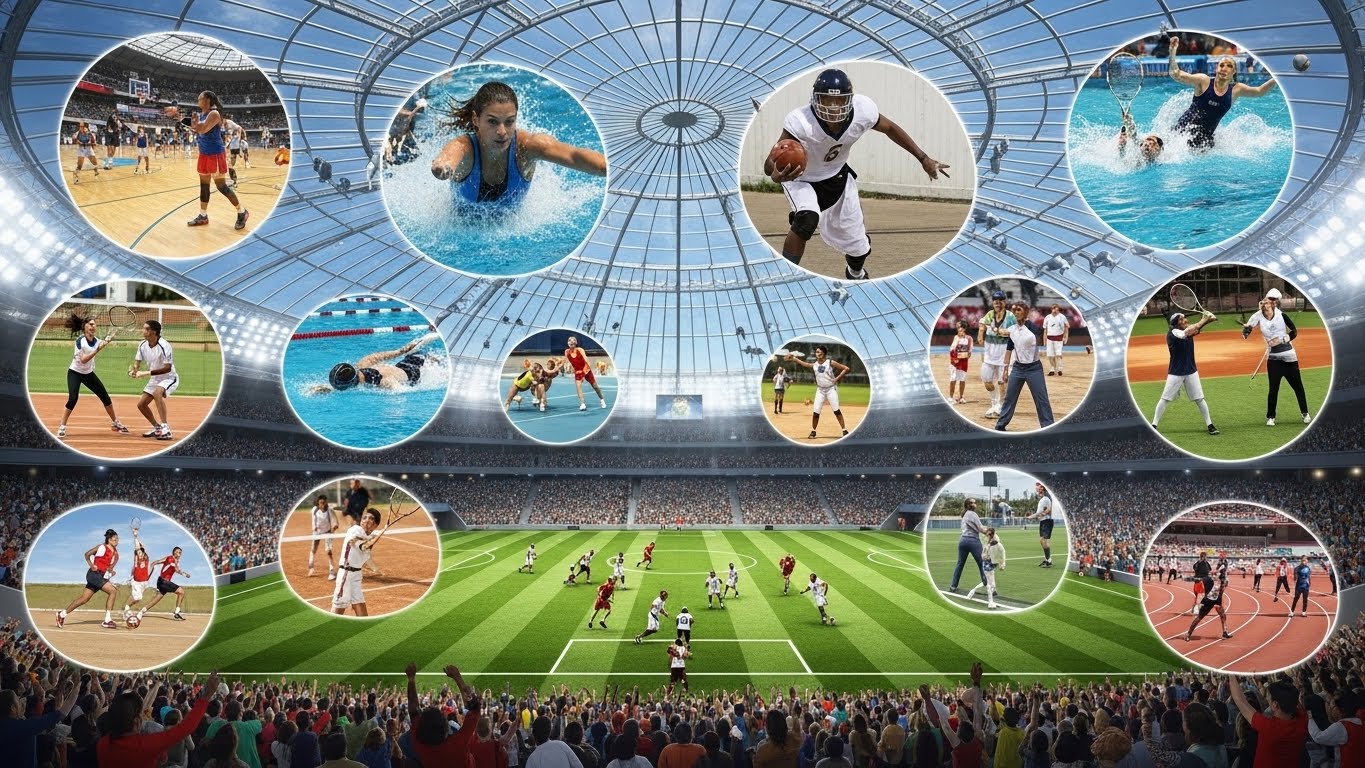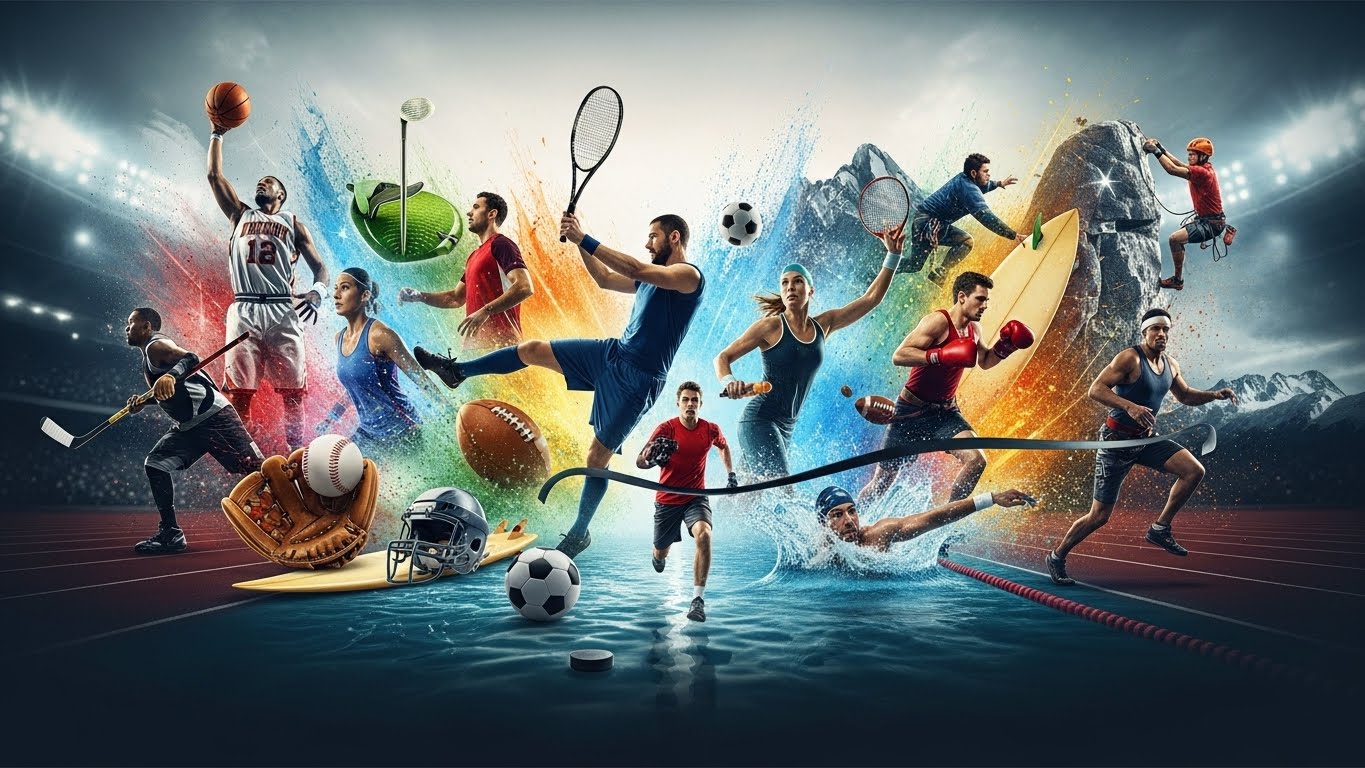

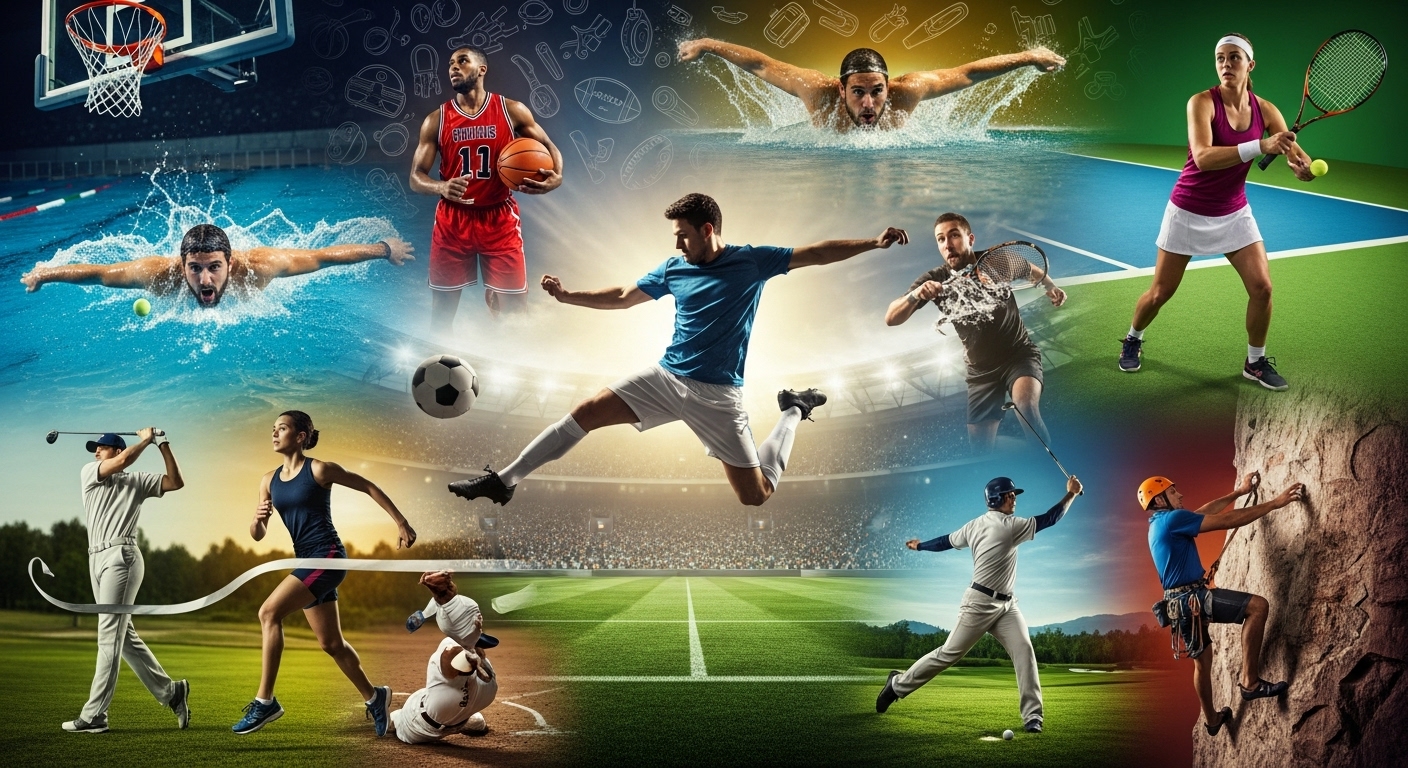
Sport has been a vital part of human society for centuries, transcending cultures, generations, and boundaries. From ancient civilizations to modern cities, sporting activities have provided entertainment, competition, and a sense of unity. Beyond the thrill of victory and the agony of defeat, sport influences physical health, mental well-being, social cohesion, and cultural identity. Its impact goes far beyond the field, court, or track, shaping the lives of individuals and the communities they belong to. In this blog, we will explore the multifaceted world of sport, its historical significance, cultural impact, role in society, and the future it holds.
The Origins and Evolution of Sport
The history of sport can be traced back thousands of years. Ancient civilizations incorporated physical activities into their social and religious practices. The ancient Olympic Games in Greece, which began in 776 BC, are one of the earliest recorded examples of organized sport. These games celebrated athletic excellence and promoted peace and unity among competing city-states.
In other parts of the world, societies developed unique forms of sport that reflected their culture and values. In China, martial arts and archery competitions honed discipline and strategy. In medieval Europe, jousting and sword fighting were both entertainment and a means to demonstrate physical prowess. Over time, sports evolved into organized competitions with formal rules, leagues, and international events. The Industrial Revolution further professionalized sports, providing leisure time for workers and creating mass participation opportunities.
Today, sports range from traditional team games like football, basketball, and cricket to individual disciplines such as athletics, swimming, and gymnastics. Extreme and adventure sports like surfing, mountain biking, and skateboarding have also gained popularity, reflecting the diverse ways humans engage in physical challenges.
Physical Benefits of Sport
Participation in sports significantly improves physical health. Regular physical activity strengthens muscles, improves cardiovascular fitness, enhances flexibility, and maintains a healthy weight. Engaging in sports from an early age also promotes motor skills, coordination, and endurance.
Sports play an essential role in combating lifestyle-related diseases. Conditions such as obesity, diabetes, and heart disease can be mitigated through consistent physical activity. Beyond physical benefits, sports improve energy levels, boost immune function, and support long-term well-being.
For children and adolescents, sports encourage an active lifestyle, promoting healthy habits that can last a lifetime. For adults and seniors, sports offer a means to maintain physical independence, prevent age-related decline, and improve overall quality of life.
Mental and Emotional Benefits
The benefits of sport extend beyond physical health, impacting mental and emotional well-being. Participating in sports helps reduce stress, anxiety, and depression. Physical activity stimulates the release of endorphins, chemicals in the brain that improve mood and create a sense of happiness.
Sports also enhance cognitive abilities such as concentration, problem-solving, and decision-making. Team sports teach communication, collaboration, and leadership, while individual sports foster discipline, perseverance, and self-motivation. Athletes learn to cope with setbacks, manage pressure, and maintain focus under challenging circumstances—skills that are transferable to all aspects of life.
Sport as a Cultural Phenomenon
Sport is deeply embedded in culture. It reflects societal values, traditions, and shared identities. In many countries, specific sports are more than games—they are symbols of national pride. Football in Brazil, cricket in India, and rugby in New Zealand serve as cultural touchstones that unite citizens and provide a sense of belonging.
International sporting events, such as the FIFA World Cup and the Olympic Games, promote global cultural exchange. Fans from around the world celebrate athletic achievements, learn about different countries, and develop mutual respect through shared experiences. Sports inspire art, literature, music, and fashion, further integrating themselves into the fabric of society.
Team Sports vs. Individual Sports
Sports can be categorized into team-based and individual disciplines, each offering distinct experiences and benefits. Team sports, such as football, basketball, and hockey, emphasize collaboration, strategy, and communication. Players must work together, understand each other’s strengths, and coordinate efforts to achieve common goals. Team sports foster camaraderie, build lifelong friendships, and teach conflict resolution.
Individual sports, such as tennis, swimming, and athletics, focus on personal skill, discipline, and self-motivation. Athletes take full responsibility for their performance, learning resilience and mental toughness. Both team and individual sports cultivate essential life skills, promoting character development and self-confidence.
The Role of Athletes
Athletes are central to the world of sport, serving as role models, performers, and ambassadors for healthy living. Their dedication, discipline, and perseverance inspire fans worldwide. Professional athletes spend countless hours training, perfecting techniques, and maintaining peak physical and mental condition. Their achievements highlight the rewards of hard work, determination, and strategic thinking.
Athletes also have the power to influence social change. Many use their platforms to advocate for equality, environmental causes, and community development. Figures like Serena Williams, Lionel Messi, and Usain Bolt have left legacies that transcend sport, demonstrating the broader societal impact athletes can have.
Sports and Society
Sport plays a critical role in shaping communities and societies. Community sports programs provide safe spaces for youth development, teaching teamwork, discipline, and social responsibility. Participation in sports can reduce antisocial behavior, improve academic performance, and foster a sense of belonging.
Economically, sports contribute to employment, tourism, and local business growth. Major sporting events attract visitors, stimulate hospitality sectors, and create jobs, boosting regional and national economies. Socially, sports bring people together, breaking down barriers and promoting inclusion across cultural, economic, and gender divides.
Women in Sport
The role of women in sport has evolved considerably. Historically, women faced significant barriers to participation, including social norms, limited funding, and fewer competitive opportunities. Today, female athletes are achieving unprecedented recognition and success across various disciplines.
Women’s sports leagues, international competitions, and media coverage have grown substantially, inspiring young girls to pursue athletic careers. Female athletes like Megan Rapinoe, Simone Biles, and Naomi Osaka not only excel in their respective sports but also advocate for equality, empowerment, and social change. Increased representation of women in sports promotes inclusivity, challenges stereotypes, and shapes cultural perceptions of gender.
Sportsmanship and Ethics
Sports instill values of ethics, integrity, and fair play. Good sportsmanship encourages respect for opponents, adherence to rules, and humility in both victory and defeat. Athletes learn to handle challenges with grace, maintain composure under pressure, and develop resilience.
Ethics in sports also address issues such as doping, cheating, and corruption. Governing bodies establish rules and regulations to ensure fairness and integrity. Upholding these standards is essential to maintaining public trust, credibility, and the positive influence of sport.
Technology and Sports
Technology has transformed the world of sport in remarkable ways. Performance tracking tools, wearable devices, and data analytics help athletes optimize training, monitor health, and enhance performance. Video replay systems, goal-line technology, and instant decision-making tools improve fairness and accuracy in competitions.
Digital media platforms have also revolutionized fan engagement. Live streaming, virtual reality experiences, and interactive apps allow fans to follow games in real time, regardless of location. Social media connects athletes with fans, fostering communities and deepening the cultural impact of sports. Technology ensures that sports remain modern, engaging, and accessible to global audiences.
The Future of Sport
The future of sport promises innovation, inclusivity, and sustainability. Adaptive sports programs and accessible facilities ensure that individuals of all abilities can participate and compete. Emerging technologies like virtual and augmented reality may redefine how fans experience games, creating immersive and interactive environments.
Sustainability in sport is becoming increasingly important. Organizations are focusing on eco-friendly facilities, responsible event management, and community-oriented programs. Sports will continue to unite people, inspire generations, and drive social change, proving that the value of sport extends far beyond competition.
Conclusion: The Enduring Power of Sport
Sport is more than just a game; it is a universal force that shapes lives, communities, and cultures. It promotes physical and mental health, teaches essential life skills, and fosters unity across borders. Athletes inspire, fans connect, and societies benefit from the economic, social, and cultural impact of sports.
From local playgrounds to global arenas, sport demonstrates humanity’s desire for competition, achievement, and connection. As technology advances, inclusivity grows, and global participation increases, sports will continue to be a vital part of human experience, illustrating the enduring power of athletic endeavor to inspire, unite, and transform.