

Introduction: The Global Appeal of Sports
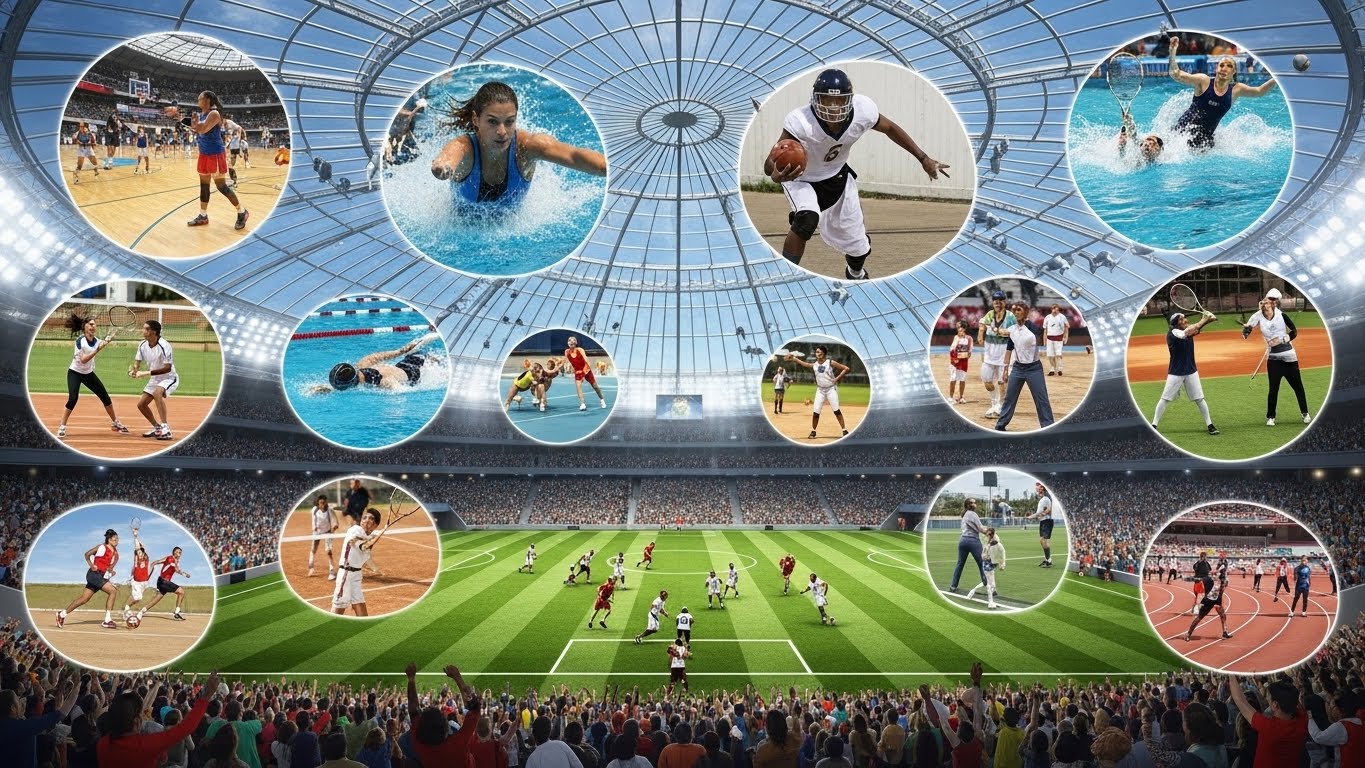
Sports have a unique ability to transcend boundaries, offering a shared language that connects people from all walks of life. Whether it’s the roar of a football stadium, the intensity of a sprint to the finish line, or the thrill of a perfectly executed goal, sports have the power to bring people together like nothing else. From local leagues to global events like the World Cup and the Olympics, sports unite individuals across cultures, races, and nations. This blog explores the deep impact that sports have on the world, how they foster community, and why they remain such a vital force in human society.
The Evolution of Sports: From Ancient Traditions to Modern-Day Entertainment
The origins of organized sports can be traced back to ancient civilizations. The ancient Greeks are widely credited with formalizing the Olympic Games around 776 BCE, where athletes competed in running, wrestling, and chariot racing to honor the gods. These early competitions, though deeply religious, were the foundation of the modern sports culture we know today. The Olympics became a symbol of athleticism, peace, and human achievement.
As time passed, different civilizations developed their own sports, which became intertwined with their cultures. The Romans introduced gladiatorial combat as a form of both entertainment and spectacle, while the Chinese developed martial arts that continue to play an important role in modern sports today. Fast forward to the 19th century, and sports began to take on a more organized, professional nature.
The creation of standardized rules, professional leagues, and national and international competitions in sports like football (soccer), cricket, and tennis paved the way for the modern era of athletics. The 20th century brought about technological advancements, media exposure, and mass commercialization, making sports not just a pastime, but a global business and cultural phenomenon.
The Role of Sports in Society: A Source of Identity and Unity
Sports are much more than just a form of entertainment. They are a cultural pillar that helps define individual and collective identities. The passion that fans have for their teams is unmatched, creating deep emotional connections that can last a lifetime. Whether it’s a local soccer team or a national football squad, fans are quick to embrace their teams as symbols of pride and belonging. These allegiances provide a sense of unity, as supporters gather in stadiums, pubs, or living rooms to cheer their teams on.
In many ways, sports serve as a microcosm of society, representing the values of hard work, perseverance, and the pursuit of excellence. The athletes we idolize become modern-day heroes, not just for their physical abilities but for their resilience, dedication, and capacity to overcome adversity. From the humble beginnings of a local athlete to the global superstardom of icons like Michael Jordan, Serena Williams, and Cristiano Ronaldo, sports allow individuals to express themselves and build a personal connection with fans.
Furthermore, sports promote social cohesion. National pride is at its peak during international events like the Olympics, the FIFA World Cup, and the Rugby World Cup. These events allow nations to put aside political and social differences and unite for a common goal—to support their teams and celebrate athletic achievement. The power of these global events can inspire a sense of unity that is rarely seen in other areas of life.
The Business of Sports: From Local Teams to Global Empires
As sports have grown in popularity, so has their commercial value. Today, sports are big business. Major leagues such as the NFL, NBA, MLB, and English Premier League generate billions of dollars annually through ticket sales, television contracts, sponsorship deals, and merchandise. The global sports industry has become one of the largest and most lucrative in the world.
For athletes, this shift towards commercialism has meant astronomical salaries. Top athletes in football, basketball, and tennis earn not just from playing but also from endorsements, personal brand collaborations, and media rights. A player like LeBron James, for example, has transformed himself from an elite basketball player into a global brand, with lucrative endorsement deals from companies like Nike, Coca-Cola, and Samsung.
At the same time, sports organizations and clubs are capitalizing on the global appeal of their teams and leagues. The English Premier League has expanded its reach worldwide, broadcasting games in countries across every continent and attracting millions of viewers. Similarly, the National Basketball Association (NBA) has a huge international fan base, with games being broadcast in over 200 countries and territories.
Sponsorship deals have become another key element of the sports business. Companies from various sectors—technology, automotive, fashion—are eager to align their brands with top athletes and sports events to boost their visibility and reach. Events like the Super Bowl, the UEFA Champions League Final, and the Summer Olympics generate massive revenue from sponsors looking to advertise to the global audience.
Technology’s Influence on Sports: Enhancing Performance and Fan Engagement
In recent years, technological advancements have significantly reshaped the sports landscape. Innovations in equipment, data analytics, and broadcasting are enhancing both the performance of athletes and the experience for fans. These technologies not only improve the way athletes train and compete but also provide new ways for fans to engage with the sport.
One of the most influential technologies in sports is data analytics. Professional sports teams now use advanced algorithms and sensors to track player movements, measure performance metrics, and optimize training. For instance, in football, coaches use detailed player data to analyze running speeds, stamina, and tactical positioning. In basketball, performance metrics such as shooting accuracy and player efficiency ratings are used to assess and refine players’ skills.
Wearable devices such as fitness trackers and smartwatches have also become commonplace among athletes and fitness enthusiasts alike. These devices collect data on heart rate, steps taken, calories burned, and sleep patterns, helping athletes monitor their health and performance in real-time.
Technology has also revolutionized how fans consume sports. The rise of streaming platforms and high-definition broadcasts means that fans can now watch their favorite games and events from anywhere in the world. In addition, innovations like virtual reality (VR) and augmented reality (AR) are transforming the fan experience, allowing fans to virtually “attend” events from home or experience the action from multiple camera angles and immersive perspectives.
Esports: A New Frontier in Sports Entertainment
While traditional sports continue to dominate, a new form of competition has been rapidly growing—esports. Esports refers to competitive video gaming, where professional players or teams compete in popular games like League of Legends, Dota 2, and Fortnite. The rise of esports is particularly evident in younger demographics, where millions of fans tune in to watch online tournaments.
Esports now generates billions in revenue through advertising, sponsorships, and streaming platforms like Twitch and YouTube. Major esports events such as the League of Legends World Championship attract millions of viewers, rivaling the viewership of traditional sporting events like the Super Bowl. Esports also offers a unique opportunity for fans to interact with players and commentators through live chats, social media, and streaming, creating a more personalized and engaged viewing experience.
The appeal of esports lies in its accessibility. Unlike traditional sports, where physical ability and access to facilities play a significant role, anyone with a computer or gaming console can compete in esports. This inclusivity has led to a democratization of sports, where individuals from different backgrounds can participate, watch, and build communities around competitive gaming.
The Social Impact of Sports: Inspiring Change and Creating Movements
Sports also play an important role in social and political movements. Throughout history, athletes have used their platforms to stand up for social justice, raise awareness of global issues, and challenge societal norms. One of the most iconic examples of this is the civil rights movement in the United States, where athletes like Muhammad Ali, Jackie Robinson, and Tommie Smith used their visibility to advocate for racial equality.
In recent years, athletes continue to use their influence to spark change. The Black Lives Matter movement, for example, has been supported by a wide range of athletes, including NFL players like Colin Kaepernick, who famously took a knee during the national anthem to protest racial injustice. Serena Williams and Naomi Osaka have also used their platforms to raise awareness about gender equality and mental health in sports.
Sports provide a platform for marginalized communities to be seen and heard. Women’s sports, for example, have seen tremendous growth in recent years, with athletes like Simone Biles and Megan Rapinoe leading the charge for gender equality in sports. The increased visibility of women in sports not only provides role models for young girls but also challenges outdated perceptions of who can be an athlete.
The Future of Sports: Innovation and Inclusivity
Looking ahead, the future of sports promises to be exciting, with continued innovations in technology, broadcasting, and fan engagement. As digital media continues to evolve, we can expect even more immersive experiences for fans, including VR and AR features that bring them closer to the action than ever before. The rise of esports will also continue to reshape the sports landscape, offering new opportunities for fans and athletes alike.
At the same time, sports will continue to evolve as a platform for social change, with a greater emphasis on inclusivity, diversity, and environmental sustainability. The push for more equitable opportunities for female athletes, as well as the increased focus on mental health in sports, will continue to gain momentum.
Conclusion: Sports as a Catalyst for Unity
Sports are more than just games—they are a reflection of society, a powerful tool for unity, and a platform for innovation and change. From their humble beginnings in ancient civilizations to the global sporting spectacles of today, sports continue to captivate and inspire millions of people around the world. Whether through the power of competition, the sense of community they foster, or the way they bring attention to important social issues, sports will remain a central part of our lives for generations to come. They are a universal language that connects us all, no matter where we come from or what team we support.