

Introduction
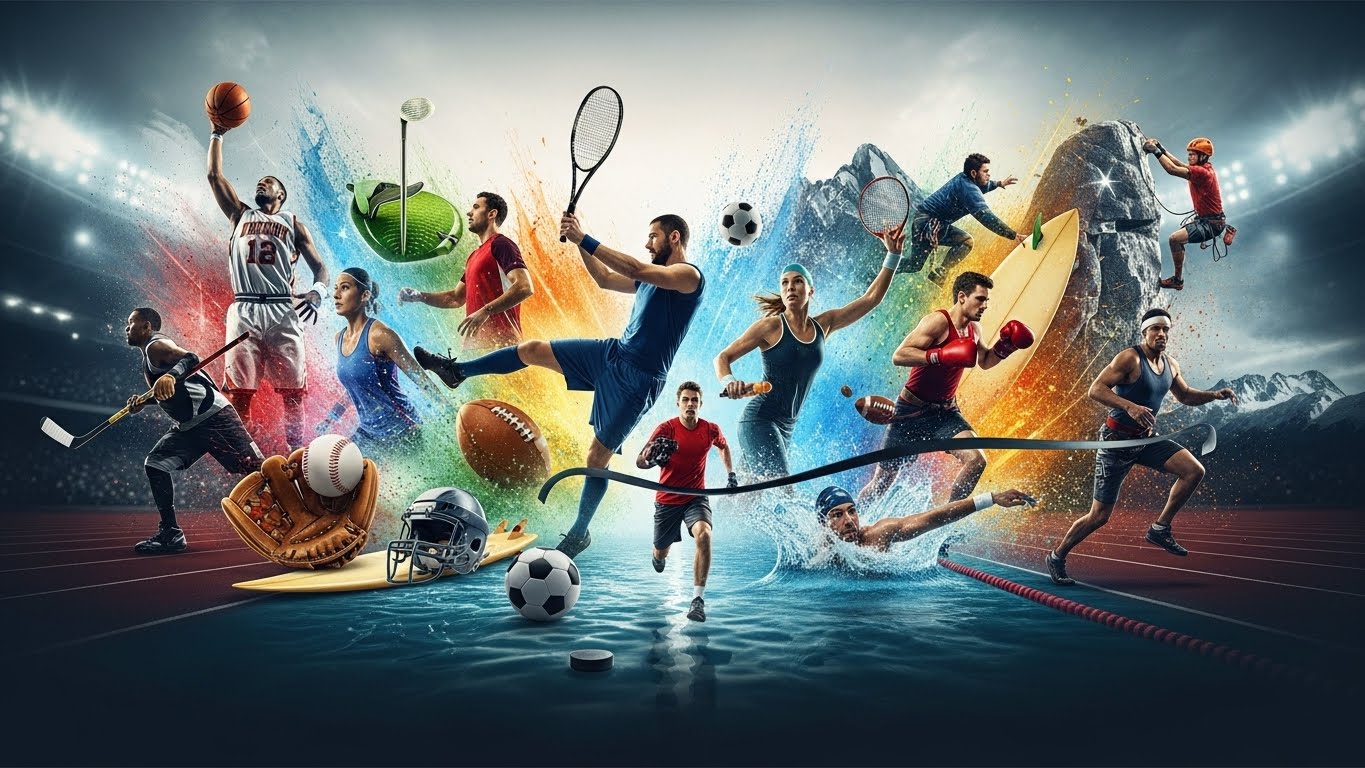
Sports are more than physical activity; they are a universal language that transcends culture, geography, and time. Every cheer in a stadium, every determined sprint on a track, and every goal scored carries a story of passion, hard work, and unity. Sports are a powerful force that builds discipline, strengthens character, and promotes physical and mental well-being. From ancient arenas to modern stadiums, the spirit of sports has remained constant: the pursuit of excellence and the celebration of human potential.
The Ancient Roots of Sports
The history of sports is as old as civilization itself. In ancient Greece, sports were a part of culture and worship, leading to the creation of the Olympic Games. The Greeks saw physical fitness as a tribute to their gods, emphasizing the harmony between body and mind. Meanwhile, in ancient China, martial arts evolved as both a form of defense and mental discipline. In Egypt and Rome, chariot races, wrestling, and archery were popular forms of entertainment and competition. These early sports were not only about competition but also about community, honor, and celebration. Over time, these traditions grew into organized sports that would later influence the modern world.
Sports as a Foundation for Health and Fitness
Sports play a vital role in maintaining physical fitness. Regular participation improves strength, endurance, and flexibility while reducing the risk of diseases such as obesity, heart conditions, and diabetes. When people play sports, their bodies become more active, and their metabolism functions efficiently. Sports also promote balance and coordination, making the body stronger and more agile. Moreover, outdoor games allow individuals to breathe fresh air, soak in sunlight, and connect with nature—factors that improve overall well-being.
The Mental Benefits of Playing Sports
Beyond physical health, sports also contribute significantly to mental fitness. Engaging in sports helps individuals develop focus, concentration, and emotional resilience. Whether it is a football player strategizing a move or a tennis player preparing a serve, sports demand mental clarity and quick decision-making. Regular physical activity releases endorphins, the natural hormones that elevate mood and reduce stress. Athletes learn to cope with pressure, manage failures, and remain determined—skills that are equally valuable in real life. Sports are not just games for the body; they are training grounds for the mind.
Teamwork and Unity: Lessons Beyond the Field
Team sports teach one of the most valuable life lessons—working together toward a common goal. Games like football, basketball, and hockey highlight the importance of cooperation, communication, and trust. Each team member has a role, and success depends on unity rather than individual brilliance alone. Team sports show that every contribution, no matter how small, is vital to victory. They also teach empathy and respect for others, both in winning and losing. These lessons extend far beyond the field, influencing how individuals approach work, relationships, and leadership in everyday life.
Discipline and Determination: The Core of Sportsmanship
No athlete achieves greatness without discipline. Behind every victory lies hours of practice, sacrifice, and self-control. Waking up early for training, maintaining a healthy diet, and staying consistent even during failure requires immense determination. Sports teach individuals to value hard work over shortcuts. They also instill patience—the understanding that progress takes time and effort. The discipline learned through sports often becomes a foundation for success in other areas of life, helping individuals excel in academics, careers, and personal development.
The Role of Sports in Education
Sports and education complement each other in shaping a well-rounded individual. While academics sharpen the mind, sports strengthen character and body. Schools that encourage sports alongside studies produce students with better focus, creativity, and leadership qualities. Playing sports teaches time management, teamwork, and goal-setting—skills essential for academic success. Moreover, sports help students relieve academic stress, keeping them physically active and mentally refreshed. The integration of sports into education creates a balanced system that develops both intellect and personality.
Women in Sports: A Story of Strength and Progress
The rise of women in sports marks one of the most significant social transformations of the modern era. From athletics to cricket, boxing to tennis, women have proven their excellence and resilience. Their achievements are not only victories on the field but also milestones for equality and empowerment. Female athletes inspire millions of young girls to chase their dreams and challenge societal barriers. Their journey demonstrates that determination and talent know no gender. Today, women’s participation in sports continues to grow, setting new records and changing perceptions across the world.
Sports as a Symbol of Fair Play and Integrity
One of the noblest aspects of sports is fair play. Sports teach honesty, respect, and integrity—values essential for a healthy society. True sportsmanship means accepting defeat gracefully and celebrating victory with humility. It encourages athletes to play by the rules, respect opponents, and appreciate effort. These principles create strong moral character, which remains valuable throughout life. Sports remind us that the essence of competition lies not only in winning but also in how one plays the game.
The Cultural Power of Sports
Sports have the unique ability to connect people beyond borders. International events such as the Olympics and World Cups bring nations together, celebrating diversity and shared humanity. Athletes become symbols of hope and pride for their countries, uniting millions through a common passion. Even local sports build community bonds, strengthening social relationships. Whether it is a village cricket match or a global tournament, sports create moments of joy and belonging. They show that, despite cultural differences, the human spirit thrives on shared excitement and teamwork.
Technology and Innovation in Modern Sports
The evolution of technology has revolutionized the world of sports. Modern equipment, data analytics, and wearable devices allow athletes to enhance performance with precision. Coaches use video analysis to correct techniques, while fitness trackers help monitor physical progress. Artificial intelligence assists in injury prevention and tactical analysis. Moreover, fans can now experience games through live streaming, virtual reality, and digital commentary. Technology has made sports more efficient, entertaining, and inclusive, connecting players and audiences across the world.
Economic and Social Impact of Sports
Sports contribute massively to global and local economies. From event management to sportswear production, the industry creates millions of jobs. Hosting major tournaments attracts tourism and boosts infrastructure development. On a social level, sports promote inclusion and community development. Programs designed around sports often help underprivileged youth gain confidence and direction. Sports inspire people to dream, work hard, and achieve success regardless of their background. It serves as a bridge between people, fostering respect, equality, and hope.
The Role of Sports in Building Character
Sports are a mirror of life itself. They teach valuable virtues such as courage, persistence, and humility. Every athlete experiences both triumph and failure, learning that success is built through perseverance. Sports encourage self-belief and the willingness to rise after a fall. They shape individuals into stronger, wiser, and more compassionate human beings. The values of honesty, teamwork, and respect learned in sports become lifelong principles that guide one’s actions in all walks of life.
Sports and Mental Health Awareness
In recent years, the conversation around mental health in sports has grown significantly. Athletes have begun speaking openly about the pressures of performance, helping to break the stigma surrounding mental well-being. Sports can play a positive role in managing mental health by providing structure, purpose, and social interaction. The sense of achievement and belonging in sports helps individuals combat anxiety and depression. However, maintaining balance between ambition and emotional health is crucial, and organizations are now prioritizing mental wellness as part of athletic training.
Sports as a Global Unifier
Few things bring humanity together like sports. When nations compete, the world watches in unity, celebrating excellence regardless of nationality or race. Major sporting events are moments of global connection, reminding us of shared values—respect, perseverance, and love for competition. Athletes from different backgrounds compete on equal ground, representing the ideal of fairness and opportunity. Through sports, humanity finds common ground, proving that diversity is a source of strength, not division.
The Future of Sports: Innovation, Inclusivity, and Sustainability
As the world advances, sports continue to evolve. Technology, analytics, and sports science are pushing human performance to new heights. Inclusivity is expanding, with adaptive sports creating opportunities for people with disabilities to shine. Sustainability is also gaining importance, with eco-friendly venues and events reducing environmental impact. The future of sports lies not only in competition but in collaboration—uniting technology, ethics, and social responsibility to create a healthier and more connected world.
Conclusion
Sports are a reflection of human life—filled with challenges, teamwork, and triumphs. They teach lessons of discipline, courage, and integrity that shape character and community. Whether played professionally or casually, sports unite people across boundaries, inspire growth, and celebrate the beauty of effort. In every race run, every match played, and every goal scored, there lies the story of humanity striving for greatness. The power of the game is eternal—it lives in the passion of athletes, the cheers of fans, and the dreams of generations yet to come.