
Introduction: The Universal Language of Sports
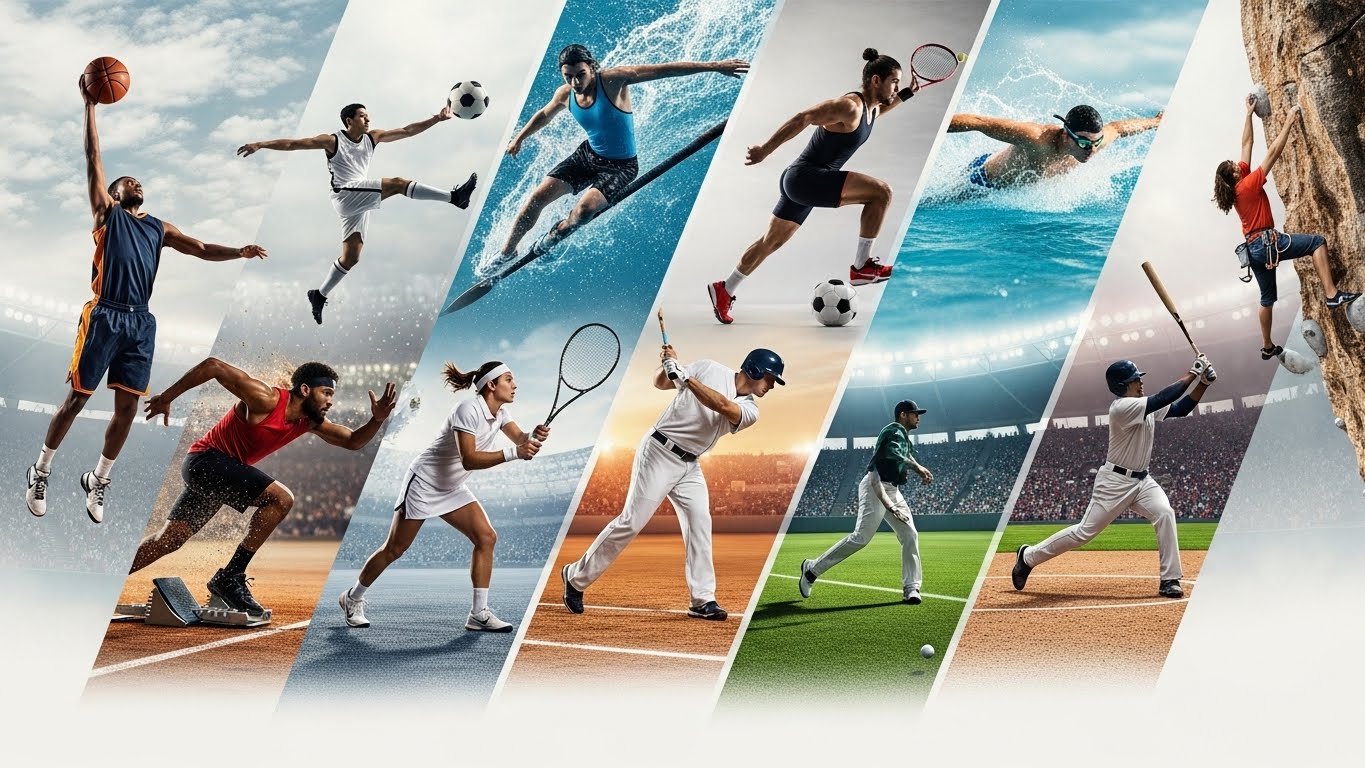
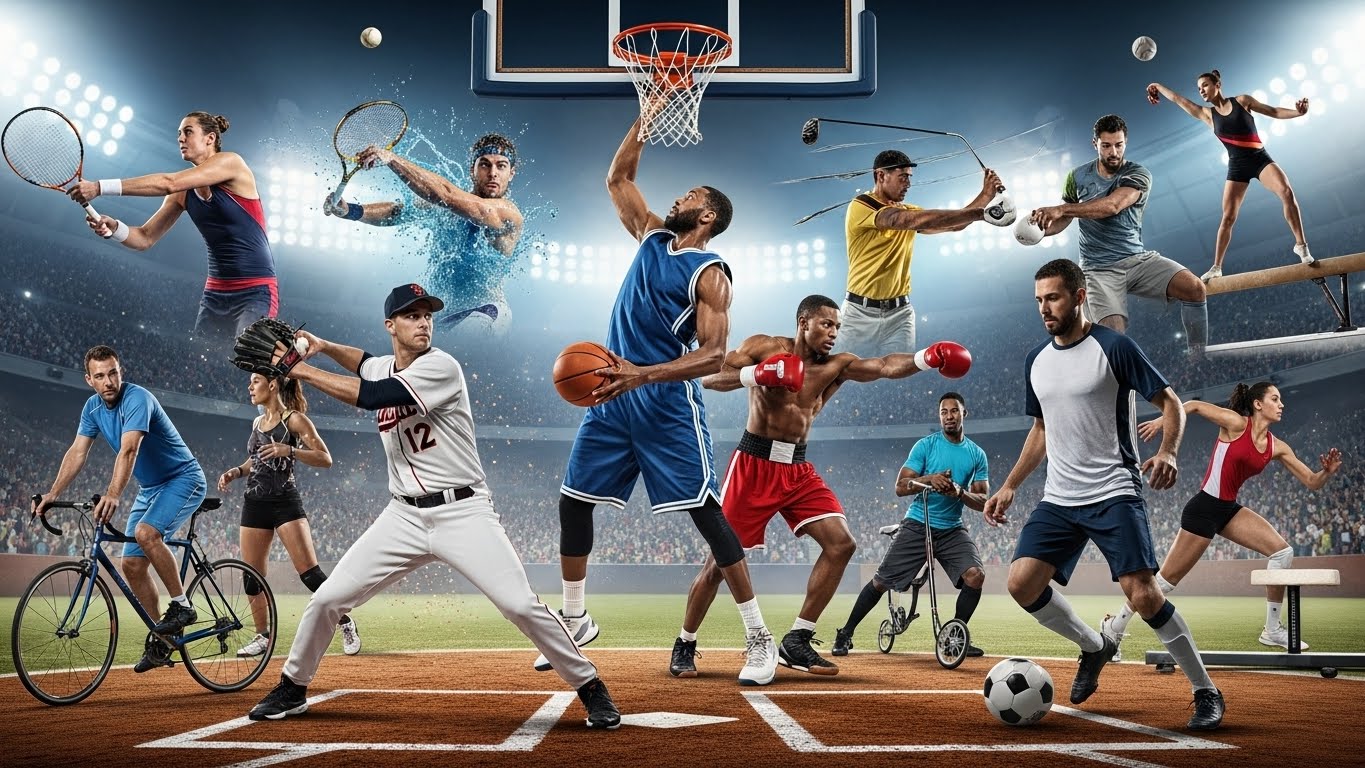
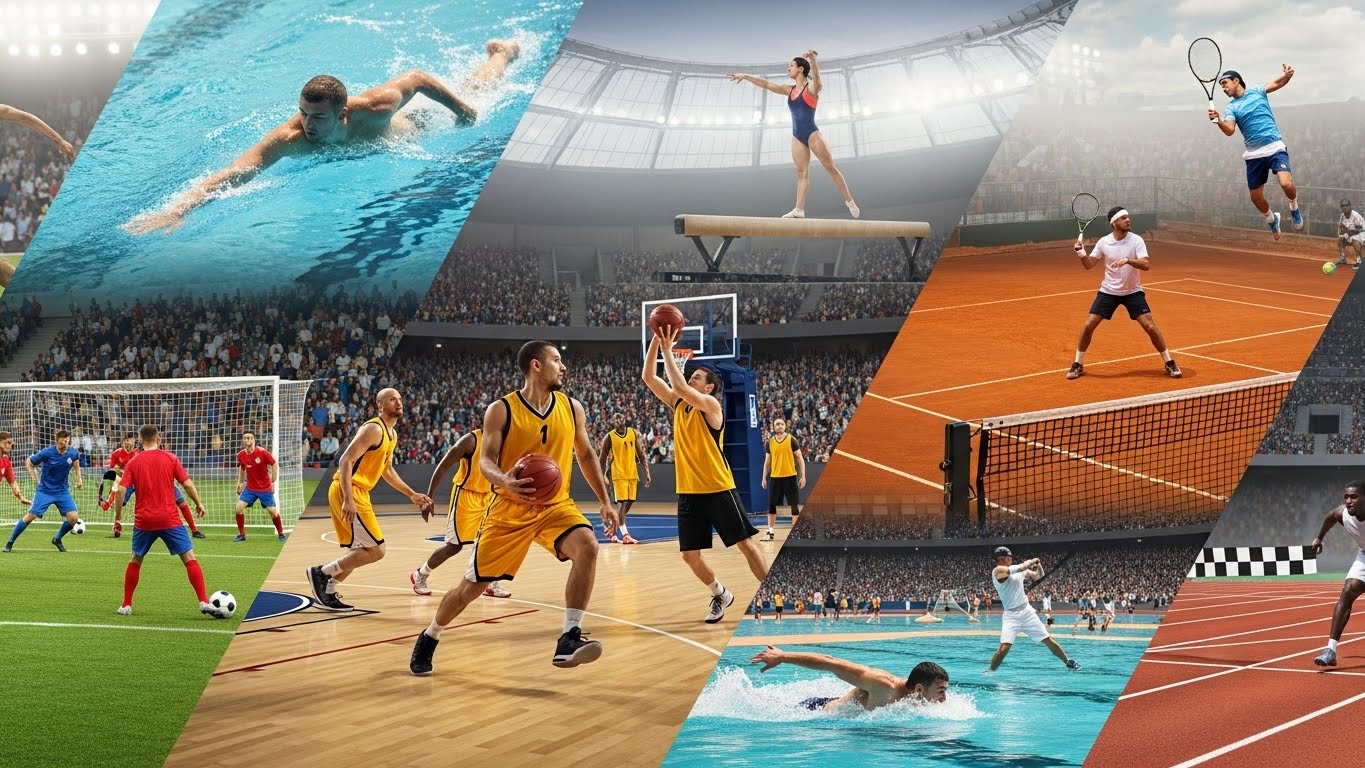
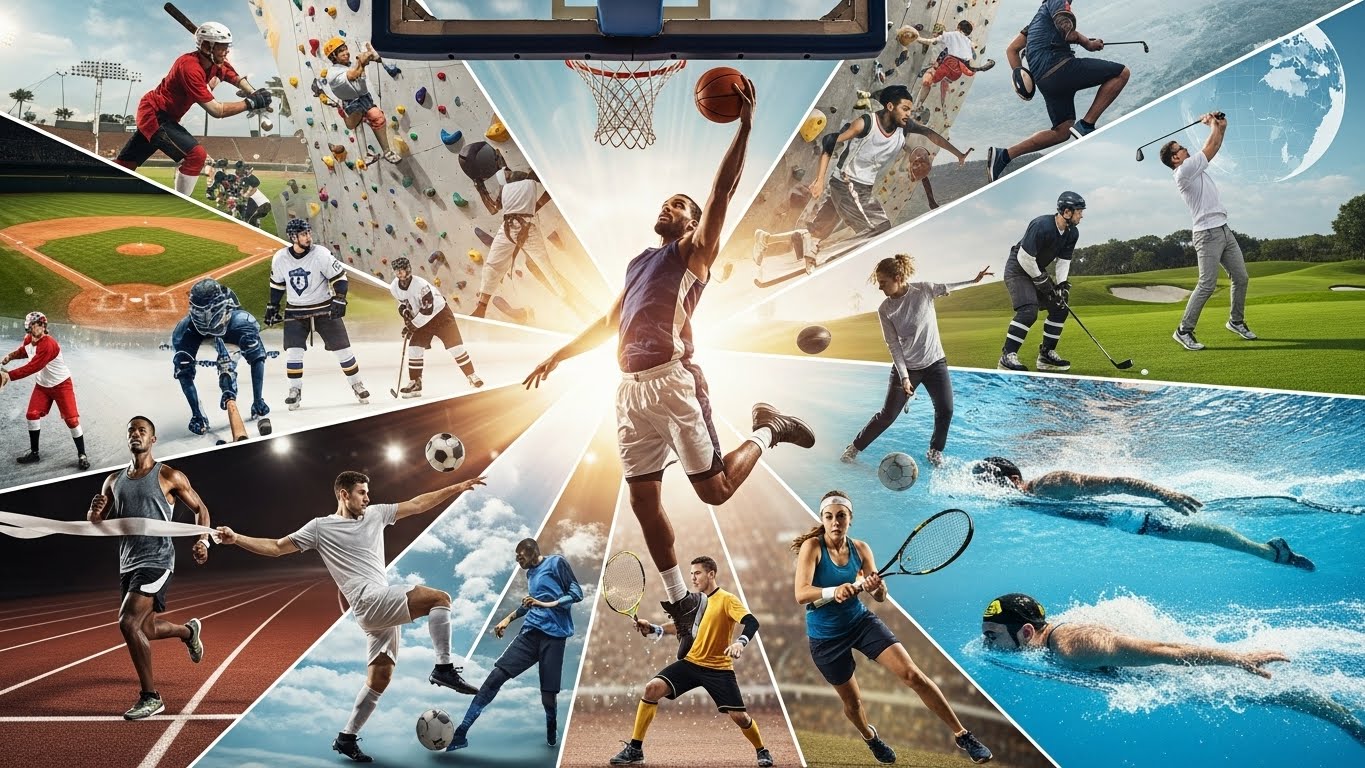
Sports have long been more than just a pastime. From local leagues to international tournaments, sports have a unique ability to bring people together in a way few other activities can. They transcend borders, cultures, and languages, uniting millions in a shared love for competition and achievement. Yet, the true power of sports lies not only in the games themselves but in the lessons they teach and the connections they foster. This blog explores how sports influence our lives in profound ways—physically, mentally, and socially.
A Glimpse Into the History of Sports
The origins of sports can be traced back to ancient civilizations where physical contests were often seen as both a form of entertainment and a means of honoring the gods. The ancient Greeks, for example, held the first Olympic Games in 776 BC, which celebrated athletic prowess and community pride. Over time, sports evolved from ritualistic and competitive endeavors to structured activities with formal rules and professional recognition.
In the modern era, sports have grown into an industry worth billions of dollars, with professional athletes becoming global icons. While the infrastructure and commercialization of sports have changed, the core values of athleticism, dedication, and human connection remain the same. Sports have become an integral part of modern culture, shaping everything from social norms to political landscapes.
The Physical Benefits: More Than Just Fitness
One of the most obvious benefits of engaging in sports is the improvement in physical health. Regular participation in sports helps enhance cardiovascular health, build muscle strength, improve flexibility, and increase endurance. The physical demands of sports require individuals to push their bodies beyond their limits, which not only improves fitness but also promotes long-term health.
But sports offer more than just physical gains. They also help prevent lifestyle diseases such as obesity, diabetes, and heart disease. For children and adults alike, sports provide an enjoyable way to stay active, which is crucial in an age where sedentary lifestyles are on the rise. Additionally, they provide a platform for individuals to develop motor skills and coordination, which are important not only for sports but for everyday tasks as well.
Mental and Emotional Benefits: Building Resilience
Beyond physical benefits, sports are equally important for mental and emotional health. Participating in sports can significantly reduce stress, anxiety, and depression. The intense focus required during athletic activities, whether it’s during a game or while training, helps individuals temporarily disconnect from daily worries, providing a natural mental health boost.
Sports also play a crucial role in building mental toughness. Athletes learn how to cope with failure and disappointment, skills that are invaluable in life beyond the field. In every sport, there is the inevitable experience of losing, but it is through those losses that athletes learn resilience, perseverance, and the ability to bounce back stronger. Whether it’s a last-minute goal or a crucial missed shot, athletes quickly learn that setbacks are an inevitable part of success. The ability to rise above them is a skill that transfers to all aspects of life, whether in the workplace or in personal relationships.
Social Connections: Sports as a Unifying Force
One of the most remarkable aspects of sports is their ability to create connections across cultures, countries, and backgrounds. Whether it’s a neighborhood soccer game or the global spectacle of the World Cup, sports act as a common language that unites people from all walks of life. In a world that is increasingly divided, sports provide a platform for inclusivity and unity.
At the local level, sports foster community spirit. Youth teams, amateur leagues, and charity events create opportunities for people to come together and form meaningful bonds. These experiences are often where friendships are forged, teamwork is learned, and a sense of belonging is nurtured. For many, sports provide a sense of identity and purpose, whether they’re playing or supporting their team.
On a global scale, sports transcend political and cultural divides. The Olympics, for instance, bring nations together in a peaceful celebration of athletic achievement. International competitions like the FIFA World Cup unite fans across continents, proving that sports have the power to foster global camaraderie. While nations may differ in language, culture, and politics, the love of sports creates a universal bond, breaking down barriers and uniting individuals through the shared joy of the game.
The Role of Sports in Education: Life Lessons Beyond the Classroom
Sports are also a critical part of education, teaching students important life skills that are difficult to learn from textbooks alone. In schools and universities, sports programs are an integral part of the curriculum, offering students opportunities to develop leadership, discipline, and time management skills.
One of the most important lessons students gain from sports is teamwork. In team-based sports, individuals must work together towards a common goal, setting aside personal ambitions for the benefit of the group. This lesson in collaboration extends far beyond the playing field, preparing students for success in their careers and personal relationships. Additionally, sports teach goal setting, time management, and the importance of consistent effort—all of which are essential for academic and professional success.
For many young people, sports also provide an important outlet for self-expression and confidence-building. Whether it’s mastering a new skill, scoring a goal, or achieving personal bests, sports allow individuals to build self-esteem through accomplishment. For some, sports serve as the only space where they feel empowered, and this confidence can extend to other aspects of their lives.
The Economic Impact of Sports: A Billion-Dollar Industry
Sports are not just a source of personal fulfillment but also a massive economic engine. From the local level to the professional world, sports generate significant revenue through ticket sales, merchandise, sponsorships, and media rights. The global sports industry is valued at over $500 billion, and it continues to grow each year.
The economic impact of sports can be seen in the job creation they support. From athletes and coaches to sports journalists, event organizers, and medical staff, the sports industry creates millions of jobs worldwide. Major sporting events such as the Super Bowl, the Olympics, and the World Cup generate massive economic activity in host cities, providing a boost to local businesses and infrastructure.
Furthermore, sports contribute to tourism. Fans travel worldwide to attend live events, boosting the hospitality and travel sectors. The success of a sporting event can have a long-lasting positive effect on a city’s economy, with tourism remaining high even after the event has ended.
The Role of Technology in Shaping Sports
In recent years, technology has dramatically changed the landscape of sports. From performance-enhancing equipment to virtual reality experiences, technology is transforming how athletes train and compete. Wearable fitness trackers now allow athletes to monitor their performance in real-time, providing invaluable data on everything from heart rate to muscle recovery.
In addition, sports broadcasts have undergone a revolution. High-definition cameras, slow-motion replays, and virtual simulations have made watching sports more immersive and exciting than ever before. Fans can now interact with live events in real-time, sharing opinions and discussing performances through social media platforms. This interactivity has transformed sports fans into active participants in the experience, breaking down barriers between athletes and their supporters.
Technology also plays a key role in the integrity of sports. Innovations such as the Video Assistant Referee (VAR) in football and Hawk-Eye technology in tennis help ensure accurate officiating, reducing the risk of human error and maintaining fairness in the game.
Sportsmanship: The True Essence of Competition
While winning is often the ultimate goal in sports, it is sportsmanship that defines true success. The respect shown for opponents, officials, and the game itself is what separates great athletes from merely talented ones. Good sportsmanship teaches humility in victory and grace in defeat, qualities that are essential both on and off the field.
Sportsmanship extends to the fans as well. A respectful fanbase enhances the experience for everyone involved, promoting healthy competition and a positive atmosphere. Fans who celebrate the achievements of others, regardless of their allegiance, contribute to a culture of respect that benefits everyone in the sports world.
The Future of Sports: Inclusivity and Innovation
As sports continue to evolve, inclusivity and innovation will be key to their future. Women’s sports, for example, have seen significant growth in recent years, with more media coverage, better pay, and increasing participation rates. This progress towards gender equality is just the beginning, and sports will continue to strive for greater inclusivity for athletes of all backgrounds.
In addition, technology will play an even more significant role in the future of sports. From artificial intelligence that analyzes player performance to virtual sports leagues and esports, the future of competition will look vastly different from what we know today. However, the underlying principles of sports—hard work, dedication, and unity—will remain unchanged.
Conclusion: The Enduring Impact of Sports
Sports are far more than just games played on fields, courts, and tracks. They are an essential part of the human experience, providing not only physical benefits but also mental, emotional, and social enrichment. Through sports, we learn the importance of resilience, teamwork, and fair play. We discover new opportunities for personal growth and forge lasting connections with others.
In an increasingly fast-paced and often divided world, sports remind us of our shared humanity, teaching us that, despite our differences, we can come together to compete, celebrate, and grow. The power of sports goes beyond the scoreline, shaping individuals, communities, and nations in ways that will continue to inspire future generations.